Burnout in caregiving and parenthood rarely announces itself. It does not arrive as a single breaking point. It builds slowly, shaped by repetition, responsibility, and emotional strain. What begins as dedication can, over time, turn into exhaustion that feels impossible to escape.
Caregiving demands consistency. There are routines to maintain, needs to meet, and little room for pause. In parenthood, this responsibility is constant. The day does not end when energy runs out. It continues, often without recognition, driven by necessity rather than choice. This continuous demand is where burnout takes root.
One of the earliest signs is emotional fatigue. Tasks that once felt manageable begin to feel overwhelming. Small disruptions trigger disproportionate frustration. Patience shortens. Reactions become sharper. This is not a failure of character. It is the result of prolonged strain without recovery.
Another sign is detachment. A caregiver may begin to feel disconnected from the very role they once embraced. Interactions become mechanical. Conversations feel forced. There is a sense of going through the motions rather than being present. This emotional distance can bring guilt, which only deepens the exhaustion.
Physical symptoms often follow. Constant tiredness, disrupted sleep, and a lack of energy even after rest. The body reflects what the mind has been carrying. When stress becomes chronic, recovery becomes harder. The cycle continues, each day adding to the last.
There is also a shift in perspective. Burnout changes how situations are interpreted. Challenges feel heavier. Solutions feel out of reach. The caregiver may begin to feel trapped, as if there is no space to step back or reset. This sense of being stuck is one of the most difficult aspects to recognize, because it develops gradually.
Isolation plays a significant role. Caregiving can limit time for social connection, personal interests, and rest. Without these outlets, the emotional load has nowhere to go. Even in a busy household, a caregiver can feel alone. The absence of meaningful support intensifies the pressure.
In parenthood, burnout can also affect the relationship with children. Moments that should feel rewarding may instead feel draining. This creates internal conflict. A parent may question their own responses, wondering why they feel this way. The answer often lies not in the relationship itself, but in the accumulated stress surrounding it.
Recognition is the turning point. Acknowledging that something is wrong does not mean weakness. It means awareness. It allows space to consider change, whether through support, rest, or adjusting expectations. Without recognition, the cycle remains unbroken.
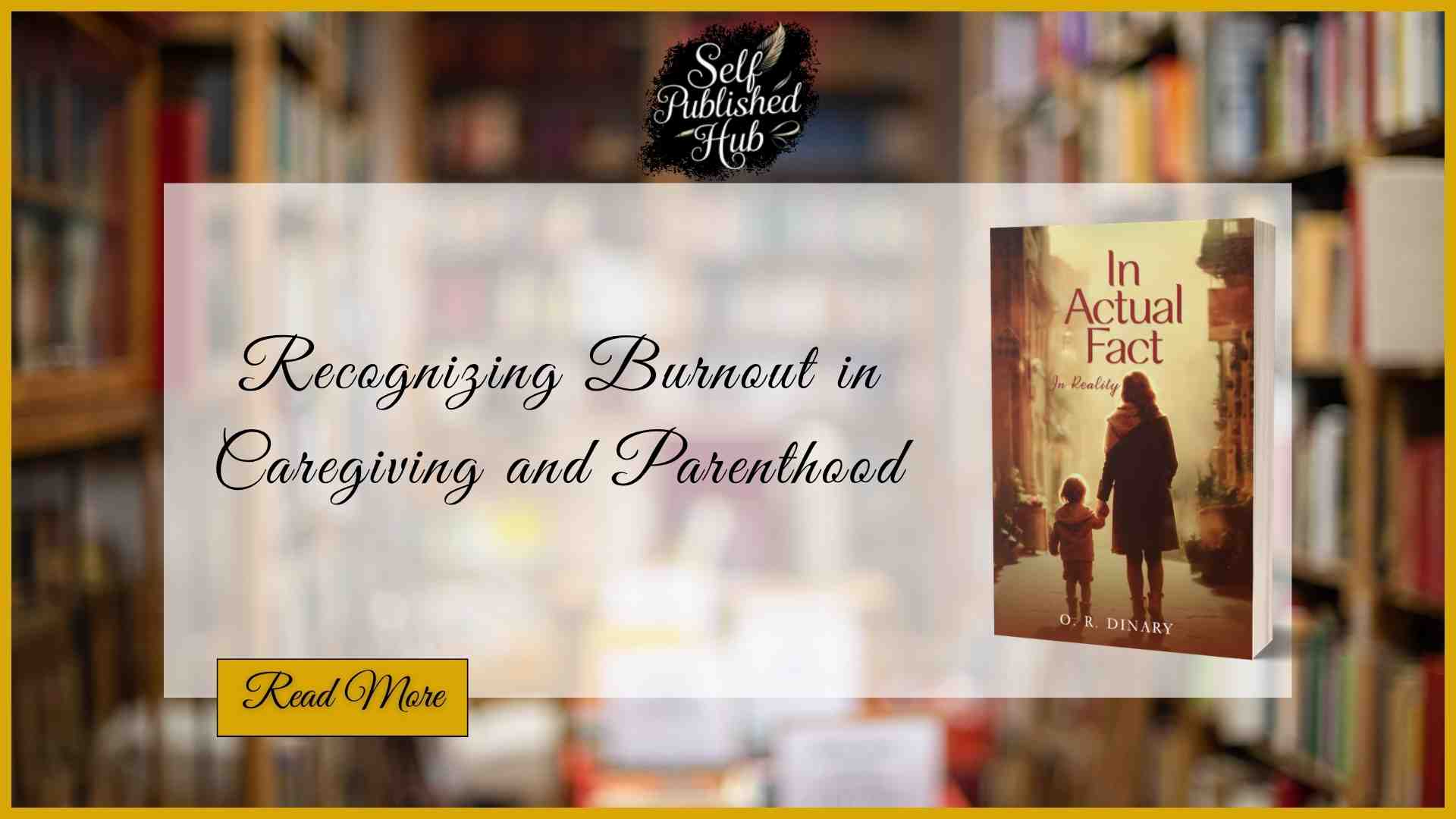
Stories that reflect this reality offer something important. They provide perspective. They show that burnout is not isolated, but shared. In Reality by O. R. Dinary presents a vivid account of how prolonged responsibility, emotional strain, and life circumstances can converge, shaping the experience of caregiving and parenthood in ways that are rarely discussed openly.
Through its narrative, the reader sees how exhaustion develops, how it affects relationships, and how it influences decisions. It is not presented as a distant concept, but as a lived experience, one that unfolds gradually and carries lasting impact.
Recognizing burnout is not about stepping away from responsibility. It is about understanding limits. Caregiving and parenthood require strength, but they also require balance. Without that balance, even the most committed individual can begin to feel depleted.
Awareness creates the possibility for change. It allows caregivers to step back, to reassess, and to find ways to restore energy and connection. Burnout may build quietly, but once it is recognized, it no longer has to remain invisible.
Available Now On Amazon: https://www.amazon.com/dp/1971610690/