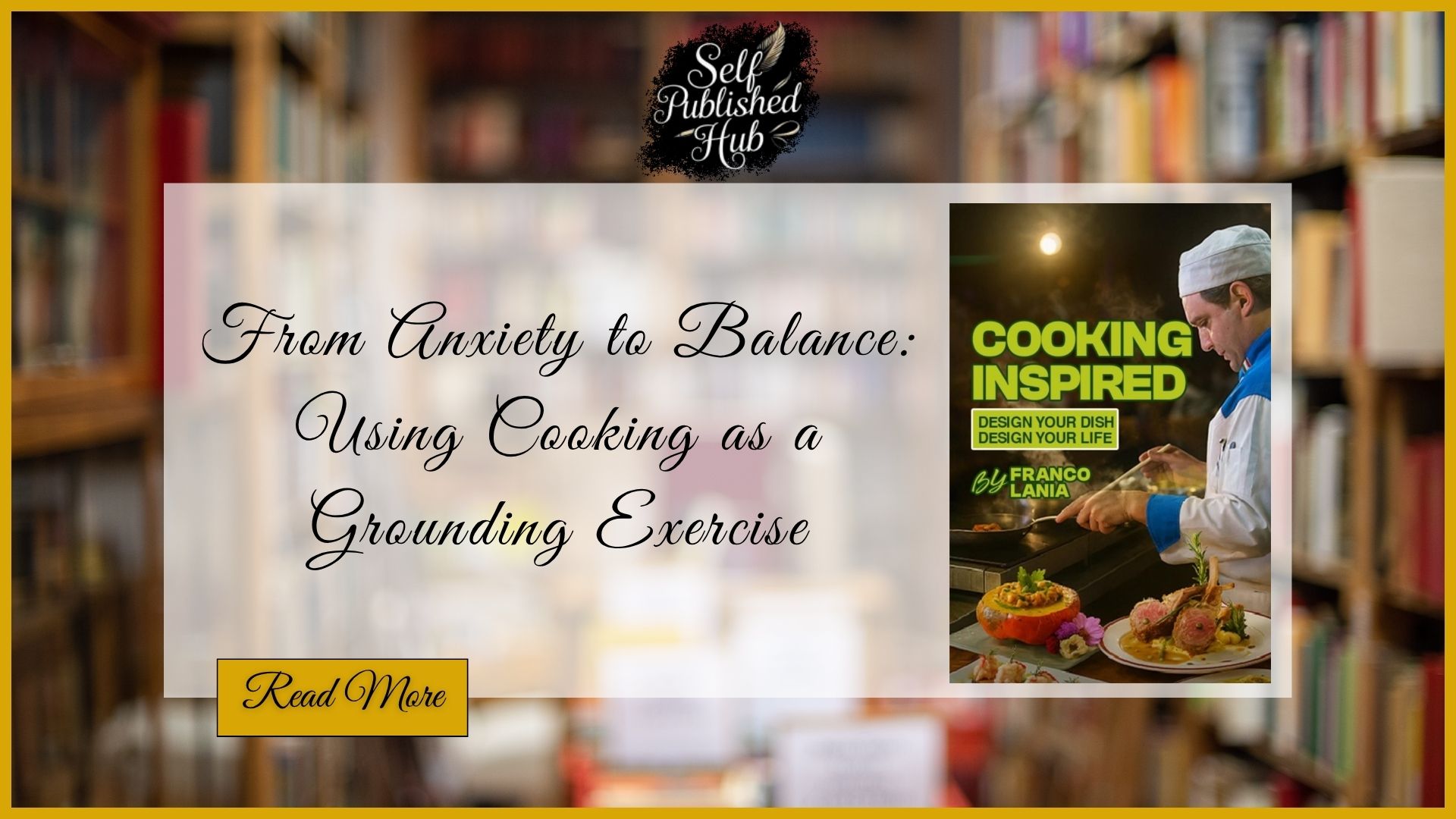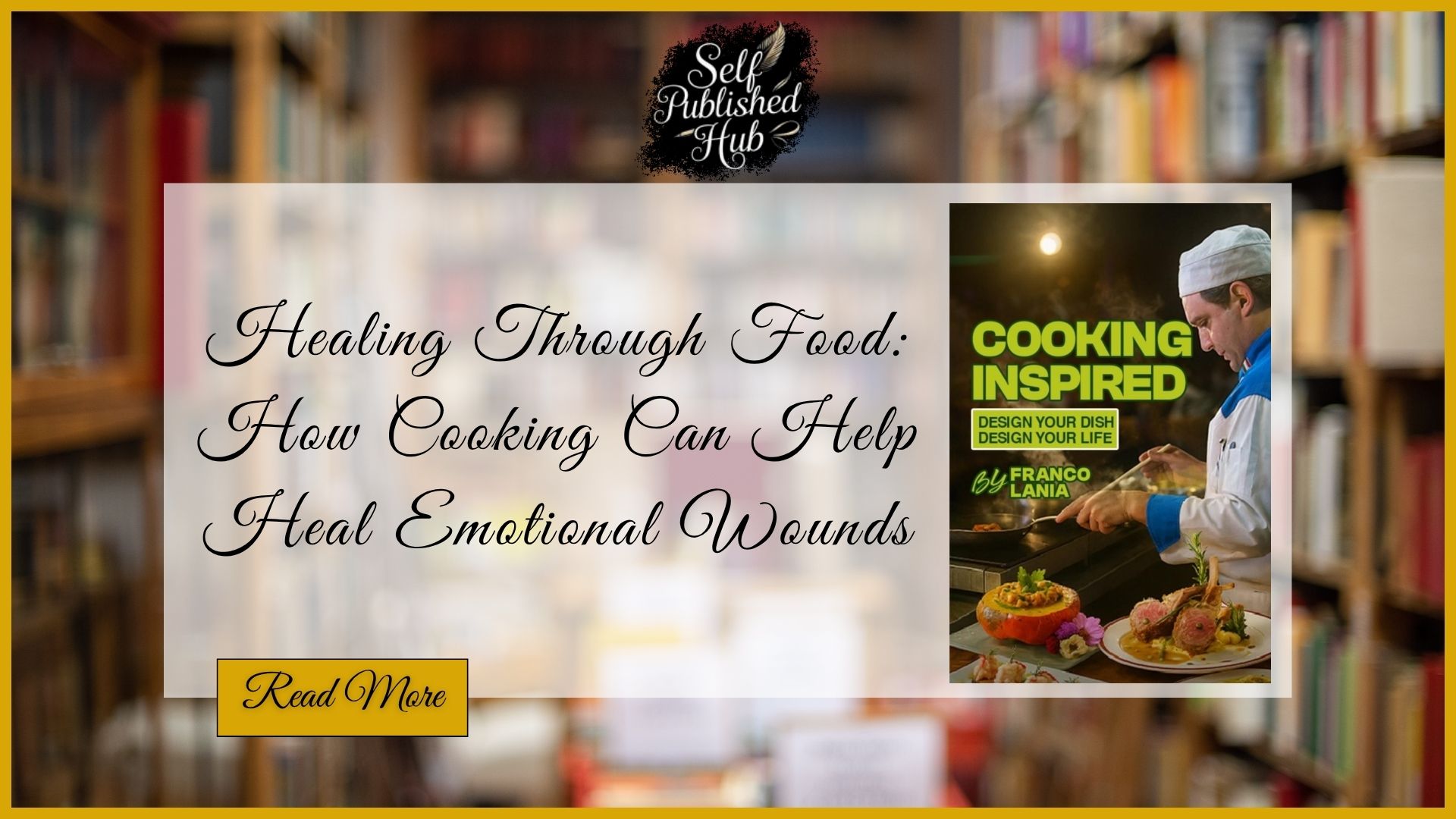
Food has always been more than just a source of sustenance it has the power to heal, comfort, and nurture us in ways we often don’t fully recognize. For Franco Lania, cooking became a transformative force in his journey toward emotional healing. In the midst of personal struggles, addiction, and a chaotic upbringing, the kitchen offered a sanctuary a place where he could rebuild his life, piece by piece, through the simple act of preparing food.
When Lania first turned to cooking, it was not with the intention of healing emotional wounds, but rather as a way to distract himself from the turmoil that had taken hold of his life. However, over time, cooking proved to be an unexpectedly powerful tool for emotional recovery. The process of preparing food allowed him to focus his energy on something tangible, a break from the confusion and chaos of his past.
Cooking, in many ways, is a form of mindfulness. It requires us to be fully present, focused on the task at hand. The chopping of vegetables, the stirring of a pot, the aroma of food as it simmers each sensory experience serves as an anchor, pulling our attention away from anxious thoughts and worries. For Lania, this immersion in the present moment became a form of therapy. It helped quiet the noise of his mind, allowing him to step back from his emotional struggles and focus on something simple yet profoundly fulfilling.
The act of cooking also provides a sense of accomplishment, which is crucial in emotional healing. Each meal prepared is a reminder that we are capable of creating something from nothing, a tangible result of effort and care. This sense of achievement, however small, can provide a boost to self-esteem, something often eroded by emotional pain.
Beyond the act of cooking itself, food has a deeper connection to memory and comfort. For many, certain dishes evoke feelings of nostalgia, safety, and love. Lania’s experiences in the kitchen were often tied to the memories of his family, the meals they shared, and the traditions that shaped his early life. The act of preparing food became a way for him to reconnect with those memories, offering him a sense of grounding and stability in times of emotional distress.
Cooking also taught Lania the importance of patience and self-compassion. Much like the process of healing from emotional wounds, cooking takes time. There are no shortcuts, no quick fixes. Whether it’s the slow simmer of a stew or the careful attention to detail required in baking, cooking teaches us that good things come with time and effort. Lania learned to apply this same patience to his emotional recovery, recognizing that healing would not happen overnight but was a gradual process that required care, attention, and self-love.
In the end, cooking became more than just a career for Lania it was his pathway to healing. It allowed him to transform his emotional pain into something beautiful, something meaningful. Cooking helped him reclaim control over his life, one dish at a time, and gave him the tools to heal from his past.
For anyone struggling with emotional wounds, cooking offers a unique opportunity to heal. It is a practice that engages the body, mind, and soul offering a way to reconnect, to nurture, and to find peace. Whether it’s through the act of cooking itself or the comfort of a familiar dish, food has the power to heal. For Franco Lania, it was the key to rebuilding his life and finding peace within himself. And for many others, it can be the first step toward emotional recovery, one meal at a time.
Amazon Book Link : https://www.amazon.com/dp/B0GN52D4B5/