When children play together, they are faced with choices. Do they share their toys or keep them? Do they take turns or insist on having their way? These decisions shape how they interact with others. Through repeated experiences, children begin to see the results of their actions. Positive interactions lead to friendship and enjoyment, while negative ones can create conflict and isolation. This is where guidance becomes essential.
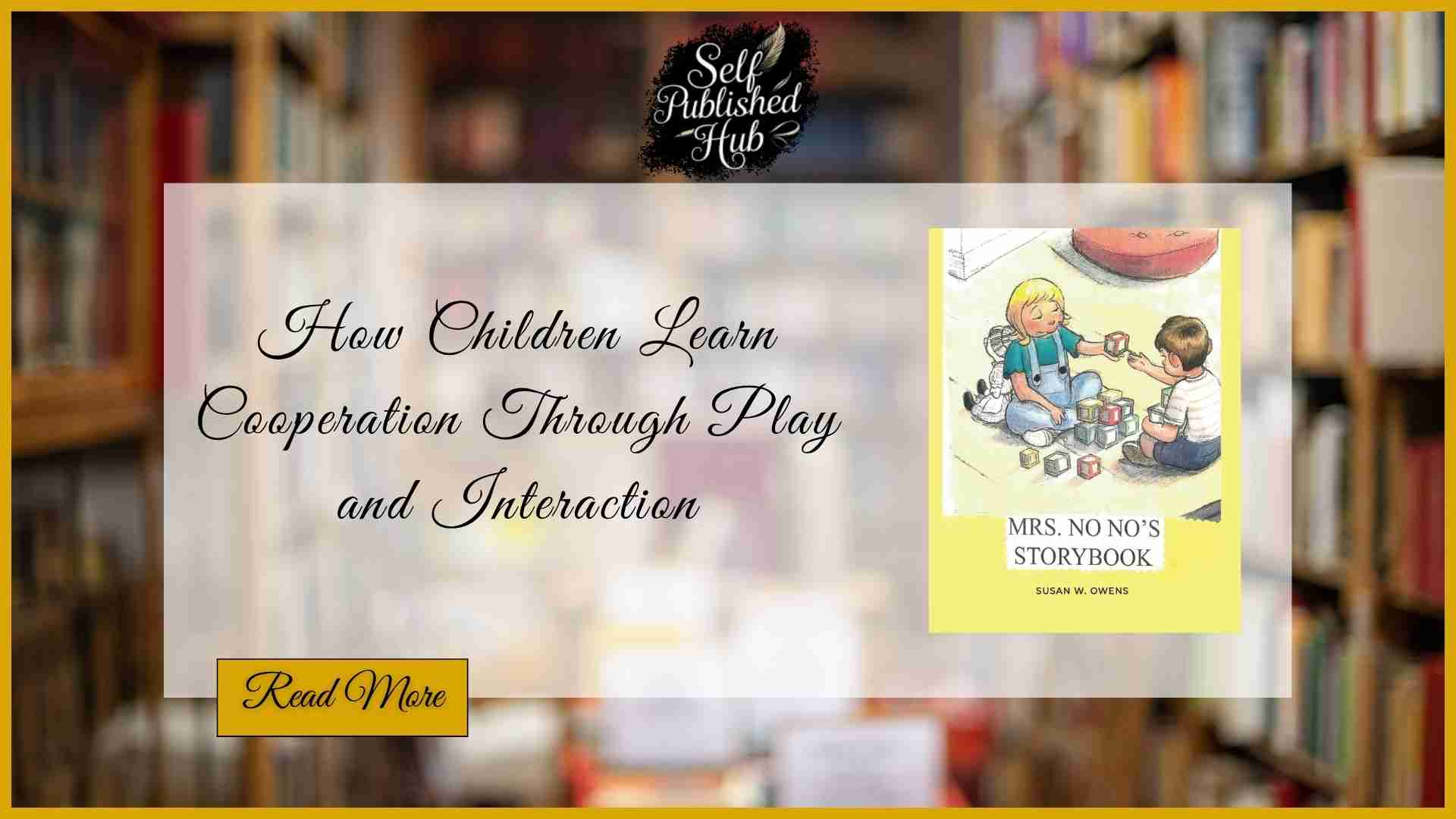
In Mrs. No No’s Storybook, cooperation is not taught through strict rules or lectures. Instead, it is shown through the daily experiences of a young child learning how to respond to different situations. The presence of Mrs. No No acts as a quiet influence, encouraging thoughtful choices. This approach mirrors how children learn best, through observation, reflection, and gentle direction rather than force.
Play creates natural opportunities for cooperation. Whether children are building with blocks, playing games, or simply interacting with siblings, they are constantly learning how to work together. These moments teach them to listen, to wait, and to consider the feelings of others. When guided properly, play becomes a powerful tool for building social skills.
One of the key elements in learning cooperation is understanding consequences. When a child chooses to share, the experience becomes more enjoyable for everyone involved. When they refuse, the play may stop altogether. Mrs. No No’s Storybook highlights these outcomes in a way that children can easily understand. The lessons are not forced but revealed through the story, allowing children to connect the dots on their own.
Another important factor is emotional awareness. Cooperation requires children to recognize how others feel. Through interaction, they begin to notice expressions, tone, and reactions. This awareness helps them adjust their behavior. The story supports this growth by showing how small acts of kindness can change the outcome of a situation, reinforcing the value of empathy.
Repetition also plays a significant role. Children do not learn cooperation in a single moment. It develops over time through consistent practice. The repeated messages within Mrs. No No’s Storybook help strengthen these ideas, making them easier for children to remember and apply in their own lives. Simple phrases and actions become habits, guiding behavior without the need for constant correction.
For teachers and parents, encouraging cooperative play does not require complicated strategies. It begins with creating an environment where children feel safe to interact and make choices. Introducing stories like Mrs. No No’s Storybook provides a foundation that children can refer back to during play. The character becomes a familiar guide, reminding them to act with kindness and respect.
The long term benefits of cooperation extend far beyond childhood. Children who learn to work well with others develop stronger relationships, perform better in group settings, and carry these skills into adulthood. By focusing on cooperation early, caregivers help shape confident and considerate individuals.
Mrs. No No’s Storybook by Susan W. Owens offers more than a simple narrative. It provides a meaningful way to guide children as they learn one of life’s most important skills. Through play and interaction, supported by the lessons in this story, children discover that working together not only makes things easier but also more enjoyable.
Explore this book now, available on Amazon: https://www.amazon.com/dp/B0FPPJX6DR.