What does it mean to be human?
At first glance, the answer seems obvious. We are human because we belong to the species Homo sapiens. Yet throughout history, philosophers, theologians, writers and cultures across the world have wrestled with a deeper question: What truly defines personhood?
Is it intelligence? Consciousness? Freedom? Moral responsibility? Relationships? Or something more?
While Western traditions have often emphasized individuality, rationality and autonomy, African thought offers a rich and compelling perspective that broadens the conversation. It invites us to see personhood not merely as a private possession but as a relational reality, a way of being that unfolds through connection with others, the community and the divine.
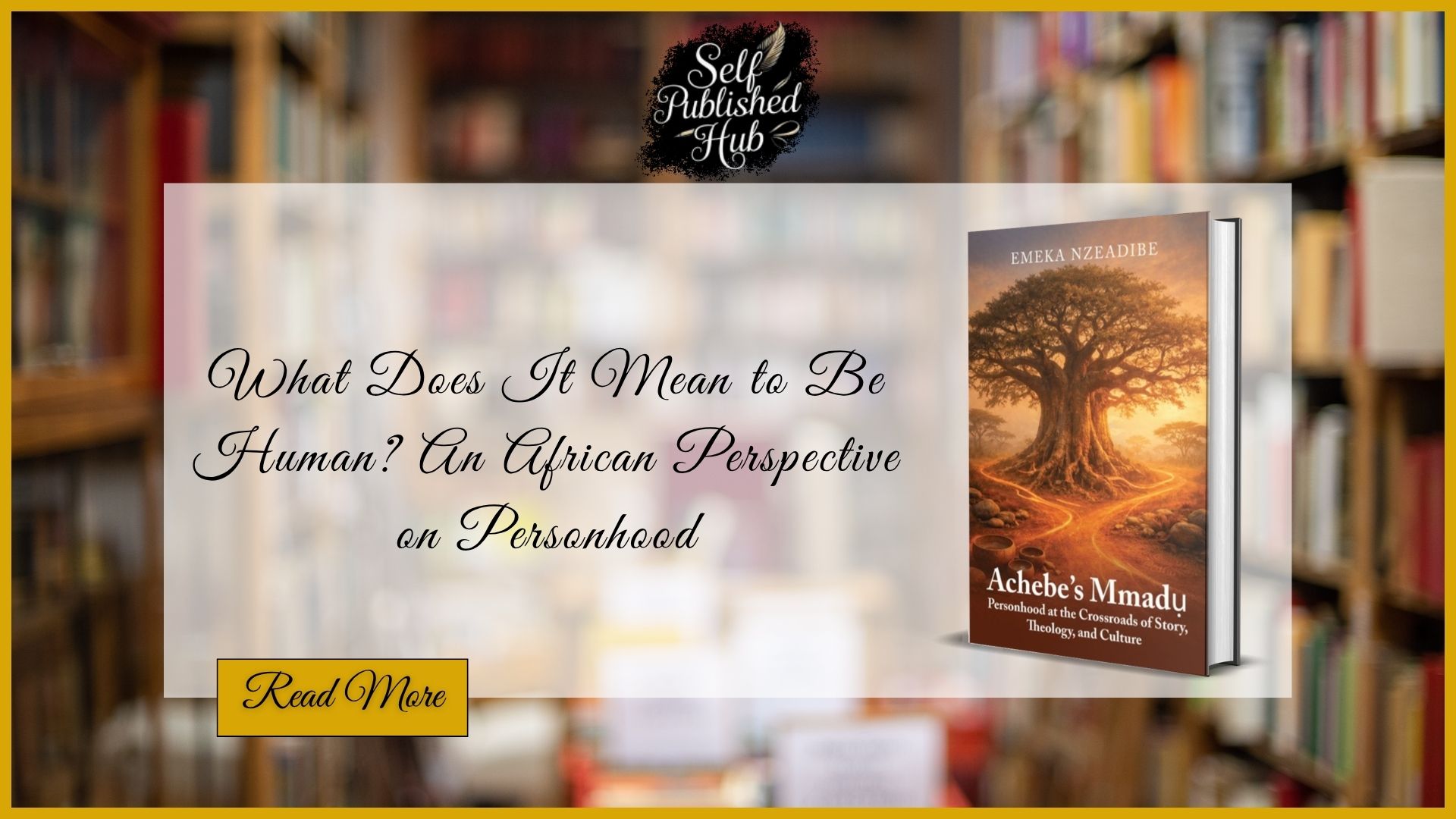
One of the most fascinating expressions of this vision is found in the Igbo concept of Mmadụ, explored by Emeka Nzeadibe in Achebe’s Mmadụ: Personhood at the Crossroads of Story, Theology, and Culture.
In the simplest sense, Mmadụ means “human person” or “human being.” Yet the concept extends far beyond a biological definition. It encompasses identity, dignity, moral character, self-awareness, responsibility and one’s place within a larger network of life. To understand Mmadụ is to understand that being human is not only about what we are but also about how we relate to others.
This perspective challenges a common assumption in modern society: that personhood is primarily individual.
Today, people are often encouraged to define themselves through personal achievement, career success, social status or self-expression. While these pursuits are not inherently wrong, they can sometimes create the illusion that identity is something we construct entirely on our own.
The African perspective suggests otherwise.
In many African traditions, a person becomes fully themselves through relationships. Family, community, culture, history and spirituality all contribute to shaping human identity. The individual matters deeply, but that individuality develops within a larger web of belonging.
An important Igbo insight captures this beautifully: no person stands alone. Human life is interconnected. Our choices affect others and the well-being of others affects us. Personhood is therefore both a gift and a responsibility.
This understanding has profound implications for how we view human dignity.
If a person’s worth depends solely on achievements or social recognition, then dignity becomes fragile. It rises and falls with circumstances. But if dignity is rooted in our shared humanity, then every person possesses value regardless of status, wealth, ability or success.
African perspectives on personhood often emphasize this intrinsic worth. Human beings are not valuable because of what they accomplish; they are valuable because of who they are.
This vision also encourages a more balanced understanding of freedom. Rather than seeing freedom as independence from others, it views freedom as the ability to live responsibly within relationships. True flourishing is not achieved by withdrawing from community but by contributing meaningfully to it.
Perhaps this is why African understandings of personhood feel especially relevant today. In a world marked by loneliness, division and identity struggles, they remind us that human beings are relational creatures. We long not only for personal success but also for belonging, meaning, recognition and connection.
The question “What does it mean to be human?” does not have a single answer. Yet African thought contributes something essential to the conversation. It reminds us that personhood is more than individuality. It is a dynamic journey of becoming a journey shaped by relationships, responsibility, dignity and community.
In the end, to be human is not simply to exist. It is to live in ways that affirm both our own humanity and the humanity of others.
That is the enduring wisdom at the heart of Mmadụ.