More than a decade after his passing, Chinua Achebe remains one of the most influential voices in world literature. Best known for his groundbreaking novel Things Fall Apart, Achebe is often celebrated for challenging colonial narratives and restoring dignity to African cultures that had long been misrepresented in global discourse.
But Achebe’s legacy extends far beyond literature.
Beneath the unforgettable characters, compelling stories and vivid depictions of Igbo life lies a deeper question that runs through much of his work: What does it mean to be human?
In an age marked by identity crises, social fragmentation, political polarization and growing loneliness, Achebe’s reflections on humanity feel more relevant than ever. His novels offer more than cultural insight or historical perspective. They present a profound vision of personhood that has much to teach the modern world.
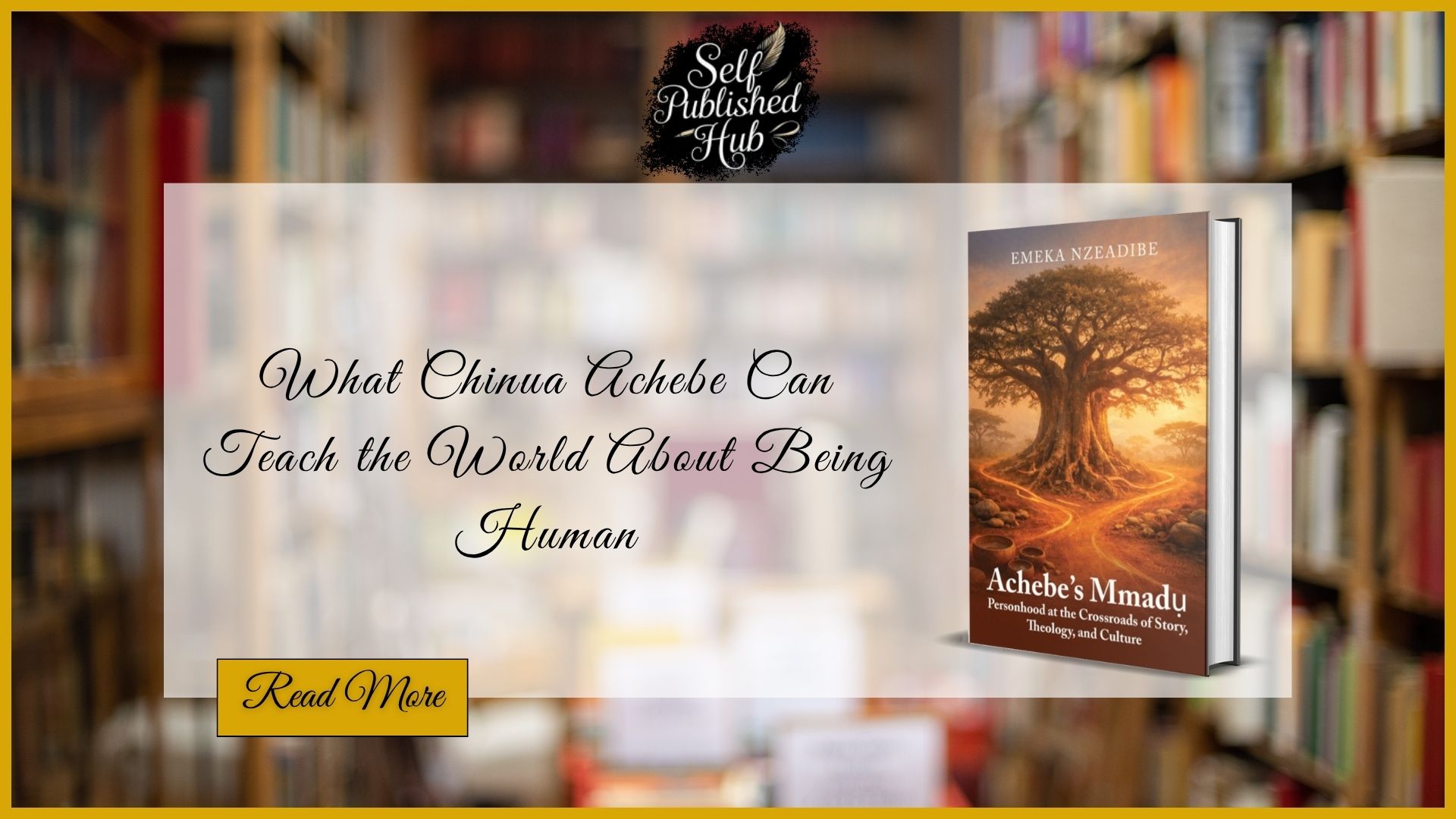
This vision is explored in depth in Emeka Nzeadibe’s remarkable new book, Achebe’s Mmadụ: Personhood at the Crossroads of Story, Theology, and Culture. Drawing from Achebe’s novels, Igbo philosophy and theological anthropology, Nzeadibe uncovers a rich understanding of the human person that speaks directly to contemporary concerns.
At the heart of this exploration is the Igbo concept of Mmadụ.
Often translated simply as “human being” or “person,” Mmadụ carries a much deeper meaning. It encompasses identity, dignity, moral responsibility, relationality and spiritual significance. In the Igbo worldview, a person is not merely an isolated individual pursuing personal goals. Personhood is something lived and expressed through relationships with family, community, culture and the divine.
This idea challenges many assumptions that dominate modern thinking.
Today, people are often encouraged to define themselves through achievement, self-expression or personal success. While these pursuits have value, they can leave individuals feeling disconnected from others and uncertain about their deeper purpose. Achebe’s stories suggest a different path. His characters exist within communities, traditions and networks of responsibility. Their humanity is shaped not only by what they accomplish but also by how they relate to others.
Take Okonkwo, the tragic protagonist of Things Fall Apart. Strong, ambitious and determined, he embodies many qualities admired by modern society. Yet his downfall reveals the limits of a life driven solely by personal strength and achievement. Through Okonkwo’s story, Achebe invites readers to consider whether true human flourishing requires more than individual success.
Throughout his novels, Achebe repeatedly returns to themes of belonging, responsibility, dignity and coexistence. His characters struggle with change, conflict, tradition, power and identity, the same challenges many societies continue to face today. Yet Achebe refuses simplistic answers. Instead, he portrays human beings in all their complexity, reminding readers that personhood is both a gift and a responsibility.
This is one of the most important insights highlighted in Nzeadibe’s book. By bringing Achebe’s literary vision into conversation with theology and African philosophy, Achebe’s Mmadụ demonstrates that personhood is not merely a philosophical concept. It is a lived reality that shapes how we understand ourselves and how we treat others.
Perhaps this is why Achebe’s work continues to resonate across cultures and generations. He reminds us that being human is about more than independence, achievement or status. It is about relationships, moral responsibility and the recognition of shared dignity.
In a world searching for meaning, belonging and connection, Chinua Achebe offers more than great literature. He offers a vision of humanity that remains both timeless and urgently relevant.
And through Achebe’s Mmadụ: Personhood at the Crossroads of Story, Theology, and Culture, Emeka Nzeadibe invites readers to rediscover that vision and to reflect anew on one of life’s most important questions: What does it truly mean to be human?