Before phone calls and instant messages, love traveled through ink and paper. A single postcard could carry affection, reassurance, longing, or joy across miles. In early 20th-century Chicago, these small cards became lifelines for people who missed one another, worried about each other, or simply wanted to share a moment. Today, they read like love letters written to the future.
Romance Written Between the Lines
Romantic connections appear often in vintage postcards, sometimes openly and sometimes subtly. A short message announcing safe arrival, plans for an evening out, or regret over a missed visit hints at deeper emotions. Writers often signed with affectionate nicknames or ended with simple declarations that carried great weight. Space was limited, but feelings were carefully chosen and preserved.
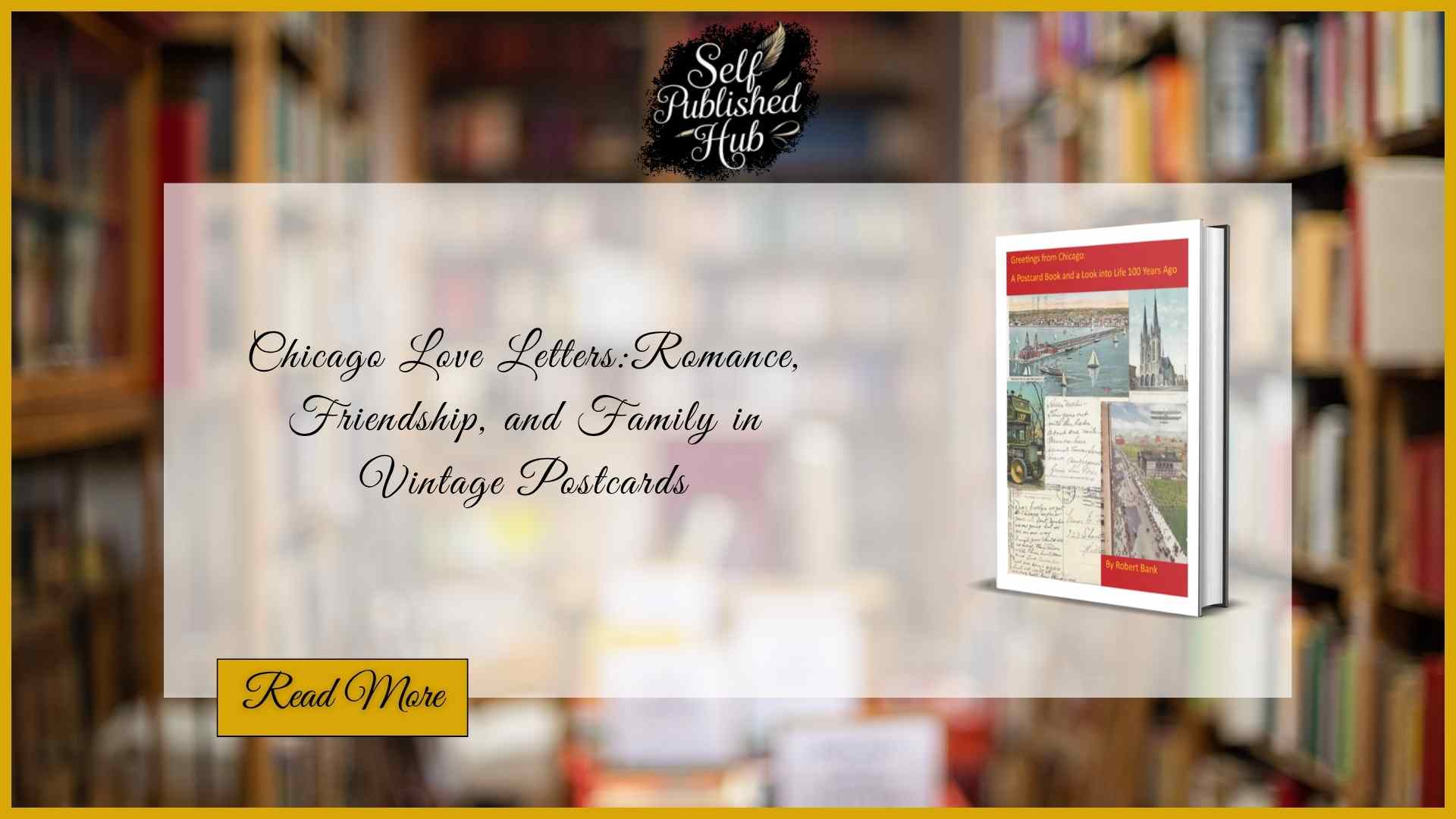
In Greetings from Chicago: A Postcard Book and a Look into Life 100 Years Ago by Robert Bank, images of parks, train stations, and city streets accompany these romantic notes. The contrast between grand city scenes and intimate messages makes the emotion feel even stronger. Love existed within busy schedules, long workdays, and crowded neighborhoods, just as it does today.
Friendship Across Distance and Time
Postcards were also a vital means of maintaining friendships. Friends wrote to check in, share news, or describe a pleasant afternoon. Some messages are lighthearted, mentioning outings, performances, or jokes that only the recipient would understand. Others carry encouragement during illness or difficult times.
These friendships reveal how people relied on one another for connection and support. Even a brief note saying all is well could bring comfort. Reading these messages now, it becomes clear that friendship was deeply valued, even when words were scarce.
Family Ties That Never Loosened
Family relationships are among the most touching elements found in vintage postcards. Children wrote to parents, siblings checked in with one another, and relatives reassured loved ones from afar. Many messages focus on everyday matters such as work, health, weather, or travel plans. However, beneath the ordinary words lies a strong sense of care and responsibility.
Parents worried about children working in the city. Relatives celebrated safe arrivals and upcoming visits. These postcards remind us that family bonds remained strong despite distance and demanding lives. They also show how communication itself was an act of love.
Emotion Preserved in Ink and Postmarks
What makes these postcards especially powerful is their authenticity. The handwriting, spelling, and tone convey a sense of authenticity, reflecting real people writing in genuine moments. Postmarks quietly confirm when and where these emotions were sent, grounding each message in time. Together, they create an emotional map of Chicago life that feels both personal and universal.
A Collection That Brings Hearts Closer
This book preserves these connections with care and respect. The book invites readers to slow down, read closely, and feel the emotions that once traveled through the mail. It is not only a visual journey but an emotional one.
For readers interested in romance, friendship, family, and the timeless desire to connect, reading Greetings from Chicago: A Postcard Book and a Look into Life 100 Years Ago by Robert Bank is strongly recommended.