Feeling responsible for everyone around you is a quiet burden. It shows up in small choices that do not seem dramatic. You answer messages you do not have energy for. You soften your tone to protect someone’s feelings. You agree to plans you never wanted in the first place. Over time these choices build a life shaped by other people’s needs. The result is a strange mix of exhaustion and resentment. You give more than you have yet feel guilty for not giving enough.
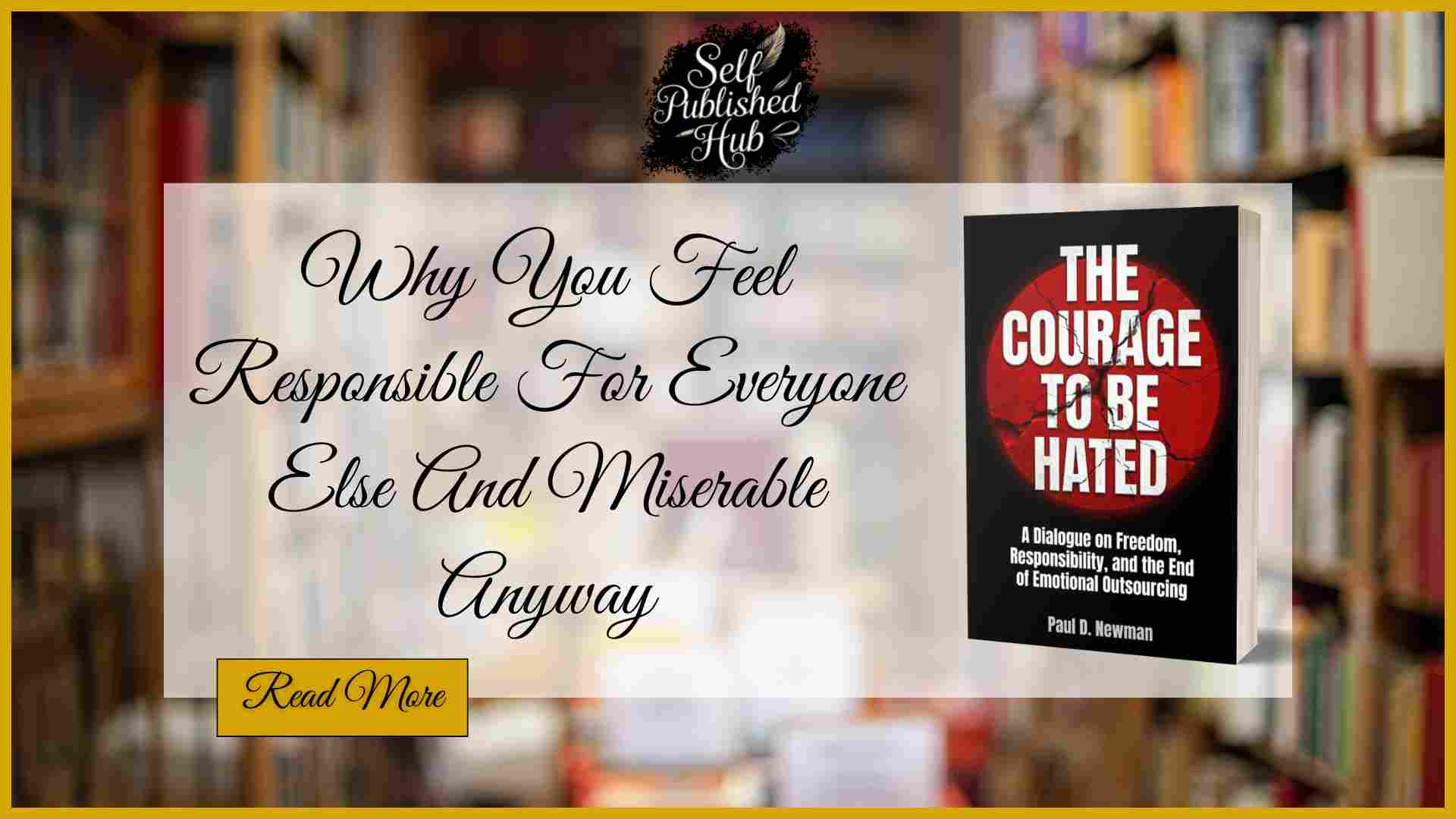
The Courage To Be Hated introduces a clear explanation for this pattern. It calls it emotional outsourcing. Emotional outsourcing happens when we allow other people to hand their feelings, fears, and discomfort to us so we can carry them. On the surface it looks like kindness or maturity. In reality it slowly separates us from our own tasks and responsibilities. We stop choosing our lives and start managing the moods of everyone else.
Many people believe they feel responsible for others because they are naturally caring. The book challenges this belief. It suggests that guilt and anxiety often serve as tools that protect us from taking responsibility for our own choices. When you spend your time worrying about what others think of you, you do not have to face your own decisions. When you focus on easing someone else’s discomfort, you can avoid asking difficult questions about your own life. In this way people pleasing becomes a form of escape that looks admirable but keeps you stuck.
The cycle usually begins in relationships where emotions are exchanged quickly and without clarity. A friend is upset and you step in before they even ask. A partner is anxious and you take on the burden of calming them. A family member is disappointed and you rearrange your life to keep the peace. None of this creates real connection. It creates dependency. You become the person who handles the emotional weight of others while your own needs remain invisible.
The book argues that the root of people pleasing is not kindness. It is fear. It is the fear of being disliked, the fear of disappointing others, and the fear of being judged as selfish. These fears make us believe that our worth depends on how smoothly we maintain the emotional environment around us. Yet this belief leads to misery because it asks the impossible. You cannot manage the inner world of another person. You cannot prevent their sadness or control their anger. You can only exhaust yourself trying.
Emotional outsourcing also blurs responsibility. If someone is upset, you feel you must fix it. If someone is unhappy, you feel guilty. This confusion creates a life lived in reaction rather than intention. The book encourages readers to learn the separation of tasks. Your task is your thoughts, choices, and actions. Their task is their feelings, reactions, and decisions. When these tasks become tangled, no one grows.
At the heart of the book is a challenging idea. Responsibility is not something you give away. Even when you try to carry the emotional load for another person, they still face the consequences of their own choices. By stepping in, you do not save them. You only prevent both of you from learning what each person must handle for themselves.
The shift away from emotional outsourcing begins with clarity. Notice when guilt appears as a signal that you owe someone your time or emotional labor. Notice when anxiety rises because you fear someone will misunderstand or dislike your decision. Ask yourself whether you are acting out of genuine care or out of fear of reaction.
Letting go of responsibility for everyone else is not cold. It creates space for healthier relationships. When you stop managing emotional storms that are not yours, you have the energy to show up with honesty rather than resentment. You build connections based on respect, not obligation.
When you take back your emotional tasks, you gain freedom. You no longer move through life in response to the moods of others. You move with intention, clarity, and the quiet strength that comes from knowing you are responsible for your life, not the emotional weather of everyone around you.
For more information and insight, please read The Courage To Be Hated.
Head to Amazon to purchase your copy: https://www.amazon.com/dp/B0G3KT926J/.