Grief does not arrive with instructions. There is no calendar telling you when the hardest days will come, no deadline for feeling “better” and no single path that works for everyone. After losing a spouse, simply thinking about the future can feel overwhelming.
Sometimes, the most manageable way forward is not to think about next month or next year.
It is to focus on today.
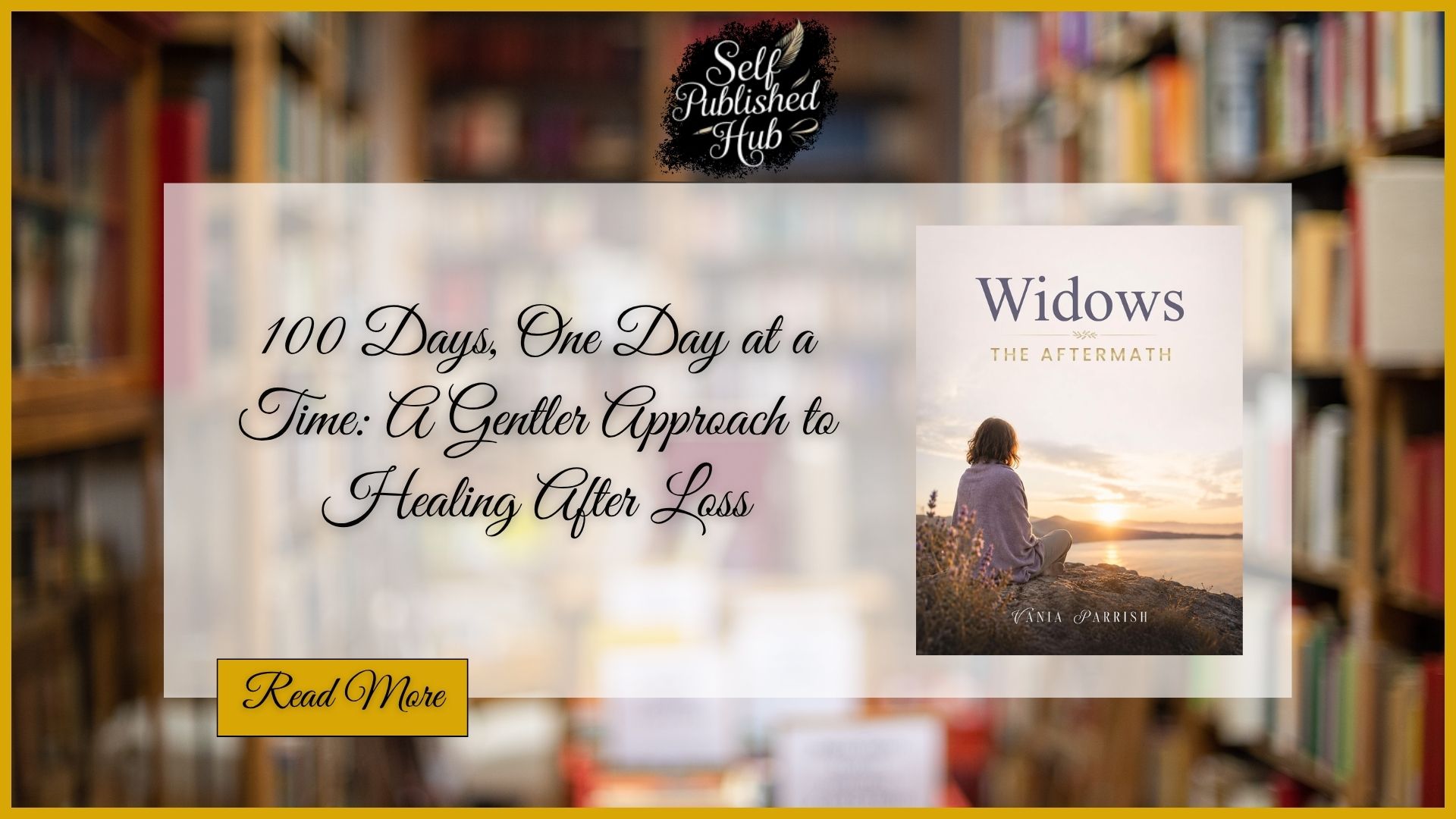
That gentle philosophy is at the heart of Widows: The Aftermath by Vania Parrish, a guided journal built around 100 days of affirmations for healing, hope and rebuilding. Rather than asking widows to rush toward recovery, the journal creates space to experience grief gradually, one reflection, one page and one day at a time.
There Is No Rush to Heal
One of the most reassuring messages in Widows: The Aftermath appears near the beginning. Parrish invites readers to use the journal daily or return to it whenever encouragement is needed. Most importantly, she emphasizes that there is no rush, only room to feel, remember and gently move forward.
That approach can be especially meaningful after loss.
Grief can change from hour to hour. One day may bring a sense of strength, while the next brings unexpected sadness. A familiar song, photograph, anniversary, empty chair or ordinary routine can suddenly make absence feel new again.
A 100-day journey does not promise that grief will disappear on Day 100. Instead, it gives readers a consistent place to return to while life continues changing around them.
Meeting Grief Where It Is
The journal follows a thoughtful progression through six different areas of widowhood.
It begins with “The Early Days,” focused on surviving shock, silence and uncertainty. Next comes “Living With Grief,” centered on learning to carry what cannot be fixed.
The journey then expands into other parts of life affected by loss. Parrish explores parenting through loss, rediscovering yourself, love and relationships and ultimately hope and new beginnings.
This structure acknowledges that grief is not only sadness. It can reshape identity, family life, relationships, confidence and ideas about the future.
A Few Minutes for Yourself
Each day offers an affirmation, reflection and journal prompt. One recurring reflection makes room for grief, love and hope to exist together, while the prompt encourages readers to identify what they need today and consider how they can offer themselves grace.
That word today matters.
When rebuilding an entire life feels impossible, asking what you need today can make the journey feel less intimidating. Healing may begin with very small acts: resting, writing, asking for support, completing a difficult task or simply acknowledging an emotion instead of hiding it.
Recognizing How Far You Have Come
After the 100-day journey, Parrish includes a “Widow Wins Journal” for recording small and meaningful victories. The section recognizes that joy and sorrow can exist close together and encourages readers to notice their own courage.
That may be the gentlest lesson of Widows: The Aftermath: progress does not always look dramatic.
Sometimes it looks like getting through today.
And then doing the same tomorrow.
For widows seeking a compassionate companion through grief, Vania Parrish offers 100 days not as a countdown to being healed, but as an invitation to keep going one day at a time.
Discover Widows: The Aftermath by Vania Parrish on Amazon: https://www.amazon.com/dp/B0HC4PJL4T