Leaving a place can be immediate. Leaving what happened there rarely is.
A different job, a quieter town, or years without seeing someone from the past may bring relief. Life begins to feel manageable again. Then a letter arrives, a familiar name is mentioned, or an unexpected memory surfaces, bringing back emotions you believed had disappeared.
It raises a difficult question: Have you truly healed, or have you simply built a life where you rarely have to remember?
THE DIFFERENCE BETWEEN ESCAPE AND HEALING
Sometimes, creating distance from painful experiences is necessary. A change of environment can offer safety, stability, and the opportunity to rebuild.
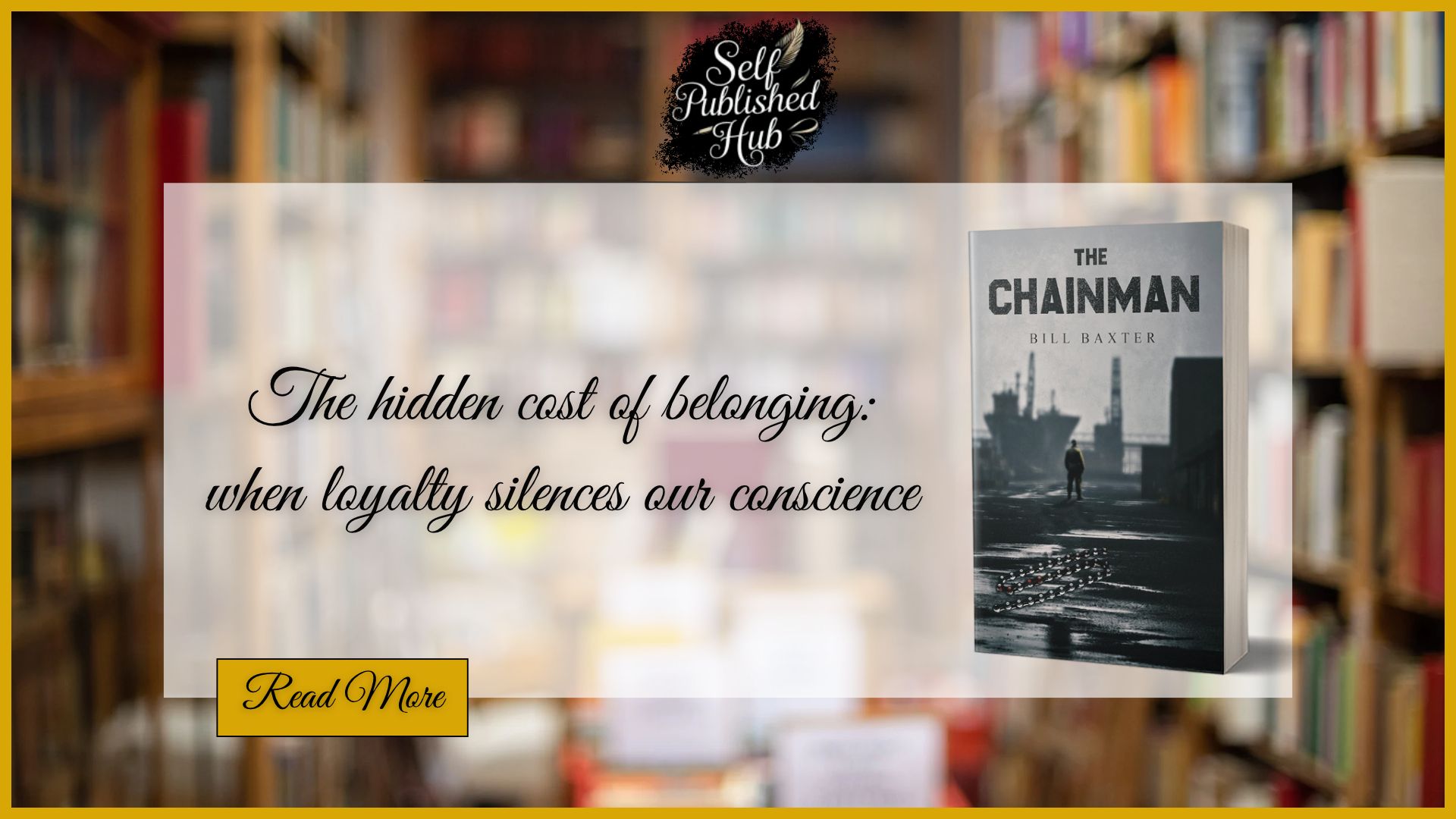
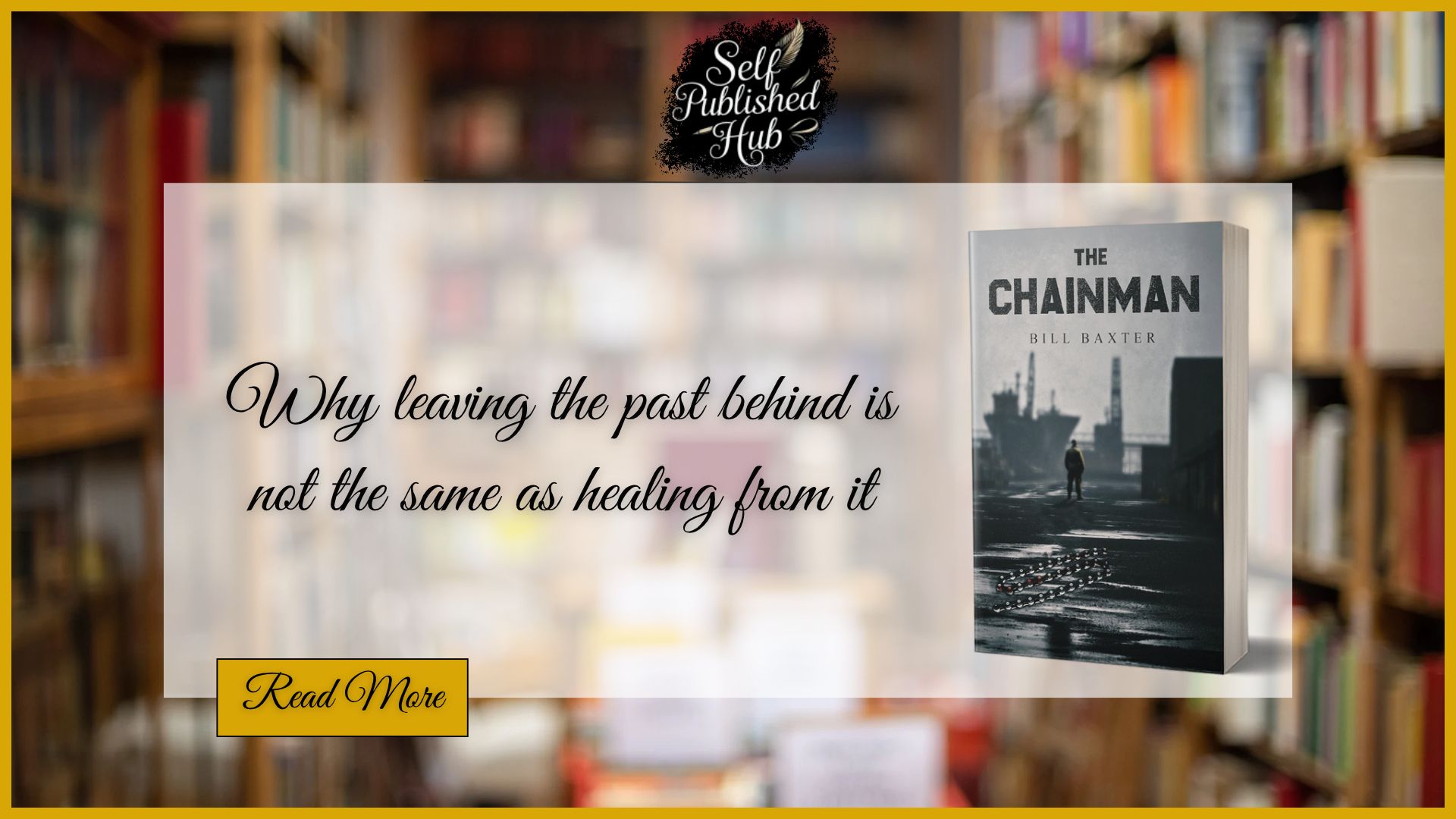
In Bill Baxter’s The Chainman, Billy withdraws from a life marked by troubled friendships, emotional turmoil, and deeply painful experiences. Seeking refuge in a remote Scottish island community, he discovers comfort in physical work, quiet routines, and human kindness.
He begins sleeping more peacefully, finding relief from the distress that previously overwhelmed him.
Yet even in these peaceful surroundings, questions remain about his ability to trust, love, and connect with others.
His experience reveals an important distinction: escaping the circumstances that caused suffering does not necessarily resolve the emotions left behind.
WHEN PAIN REMAINS HIDDEN BENEATH EVERYDAY LIFE
Not everyone responds to painful experiences by physically leaving.
Some remain in familiar surroundings while attempting to carry their suffering privately.
Sarah’s journey in The Chainman illustrates this quieter struggle. Following a traumatic sexual assault, she experiences shame, anger, and emotional distress that remain difficult to express. Her growing dependence on alcohol complicates her efforts to regain stability.
When she eventually speaks about the assault during therapy, finding the words becomes an emotionally difficult experience.
Her suffering highlights how silence can conceal wounds that continue to affect relationships, decisions, and self-perception.
People may appear to be functioning normally while privately struggling with memories they cannot easily confront.
Recognising this possibility encourages greater compassion and challenges the assumption that time alone resolves emotional pain.
WHY RECOVERY IS NOT A STRAIGHT LINE
Healing is rarely defined by one decision or a single moment of transformation.
Sarah eventually achieves sustained sobriety and begins rebuilding her independence through her small shop. Her progress reflects determination, but it does not erase the experiences that shaped her struggles.
Billy similarly develops a quieter existence working with sheep in the Scottish Highlands. Yet a letter from Sarah, arriving years later, unsettles the emotional distance he has carefully established.
Bill Baxter portrays these experiences without suggesting that recovery makes people immune to grief or vulnerability.
Someone can become stronger while remaining sensitive to particular memories. They can establish a fulfilling routine while still fearing the return of painful emotions.
Progress and vulnerability are not necessarily opposites.
FINDING THE COURAGE TO FACE WHAT REMAINS
One of the most meaningful questions raised by The Chainman concerns what happens when the past unexpectedly becomes part of the present again.
For Billy, the possibility of reconnecting with Sarah brings both hope and apprehension. He must consider whether protecting himself from further suffering has also meant distancing himself from meaningful human connection.
This tension offers a valuable perspective on emotional recovery.
Healing does not require forgetting, forgiving someone who caused harm, or returning to relationships that feel unsafe.
Instead, it may involve gradually understanding painful experiences, recognising personal needs, accepting appropriate support, and making choices without allowing fear to determine every outcome.
Leaving the past behind can change where we live. Healing changes how we live with what happened.
The past may always remain part of our story, but it does not have to control every chapter that follows.
AVAILABLE ON AMAZON: https://www.amazon.com/dp/B0FJG9XB1V/