Imagine a world where a disagreement between two economic superpowers disrupts international trade, threatens millions of livelihoods, and raises fears of military confrontation. What begins with tariffs and technological restrictions could eventually develop into a crisis affecting countries far beyond those directly involved.
The growing tensions between the United States and China highlight an important challenge: how can powerful nations manage economic competition without allowing political differences to threaten international peace?
HOW ECONOMIC COMPETITION BECAME A SECURITY CONCERN
For decades, relations between the United States and China have experienced periods of cooperation and confrontation.
During the Cold War, American concerns largely centered on communism and its expansion. However, China’s economic direction changed significantly when Deng Xiaoping introduced market-oriented reforms in 1978.
These policies encouraged industrial development, foreign investment, and international trade. China’s subsequent economic transformation helped lift hundreds of millions of people out of extreme poverty.
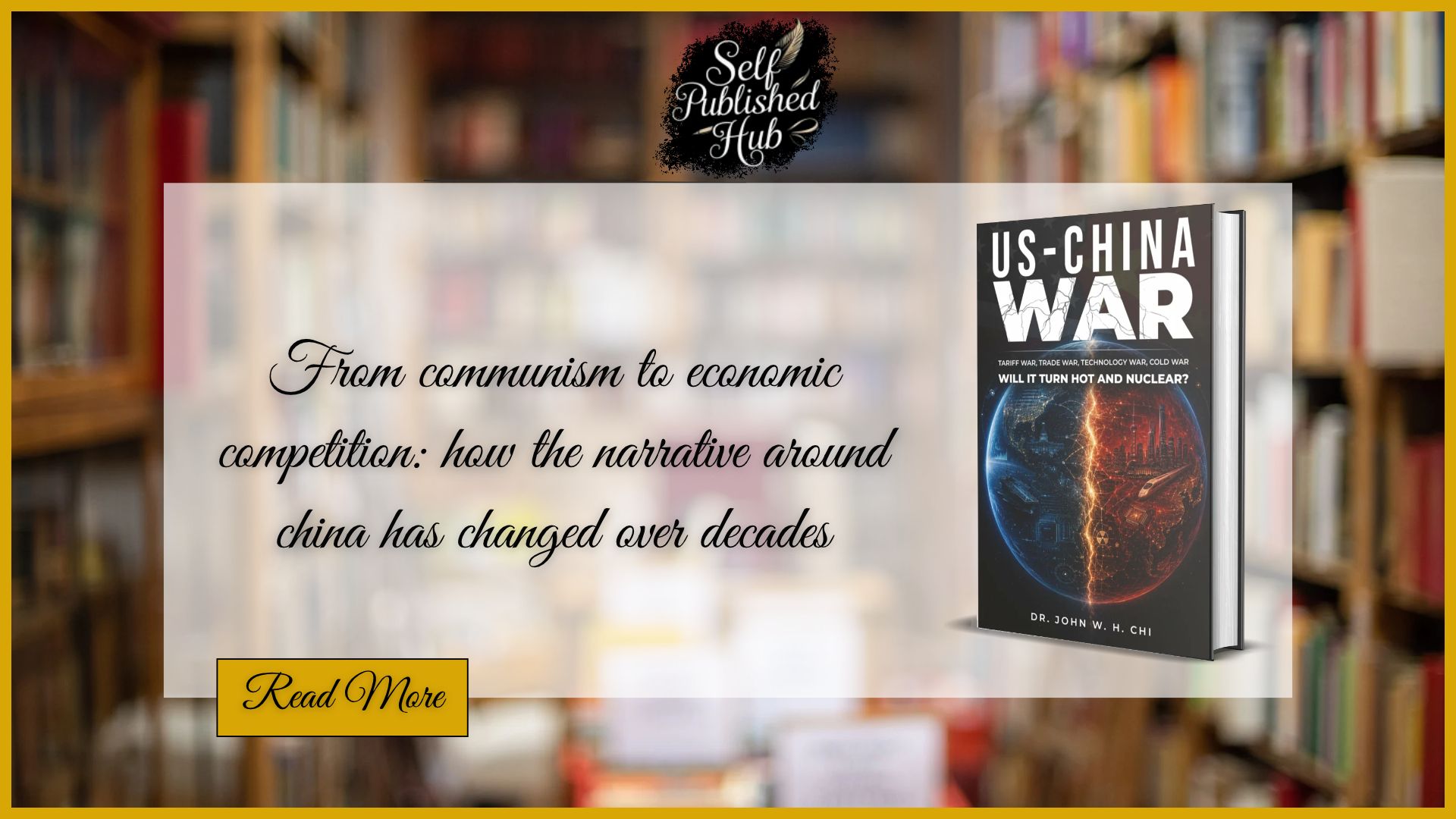
In US-China War, Dr. John W. H. Chi examines how American criticism evolved alongside China’s development, shifting from ideological concerns toward human rights allegations, trade disputes, and technological competition.
The resulting tensions demonstrate how economic progress can become intertwined with concerns about national security and international influence.
WHY THE TAIWAN STRAIT REMAINS A CRITICAL CONCERN
Among the most sensitive issues in US-China relations is Taiwan.
Beijing considers Taiwan part of China and regards reunification as a fundamental national objective. Taiwan maintains its own government, while the United States provides security assistance under its longstanding policies.
These competing positions create considerable diplomatic and military complexity.
The presence of military forces, regional security alliances, and strategic disagreements increases the importance of communication between Washington and Beijing.
Dr. John W. H. Chi emphasizes the danger of allowing political confrontation over Taiwan to develop into direct military conflict.
The concern extends beyond territorial disagreement because both the United States and China possess nuclear weapons.
THE HUMAN CONSEQUENCES OF MILITARY ESCALATION
Military confrontation between major powers would not remain an isolated political event.
International supply chains, commercial shipping, technological production, and financial markets could experience severe disruption.
Businesses dependent on global manufacturing networks might struggle to maintain operations, while families could face economic uncertainty and rising living costs.
More importantly, armed conflict would endanger human lives and threaten regional stability.
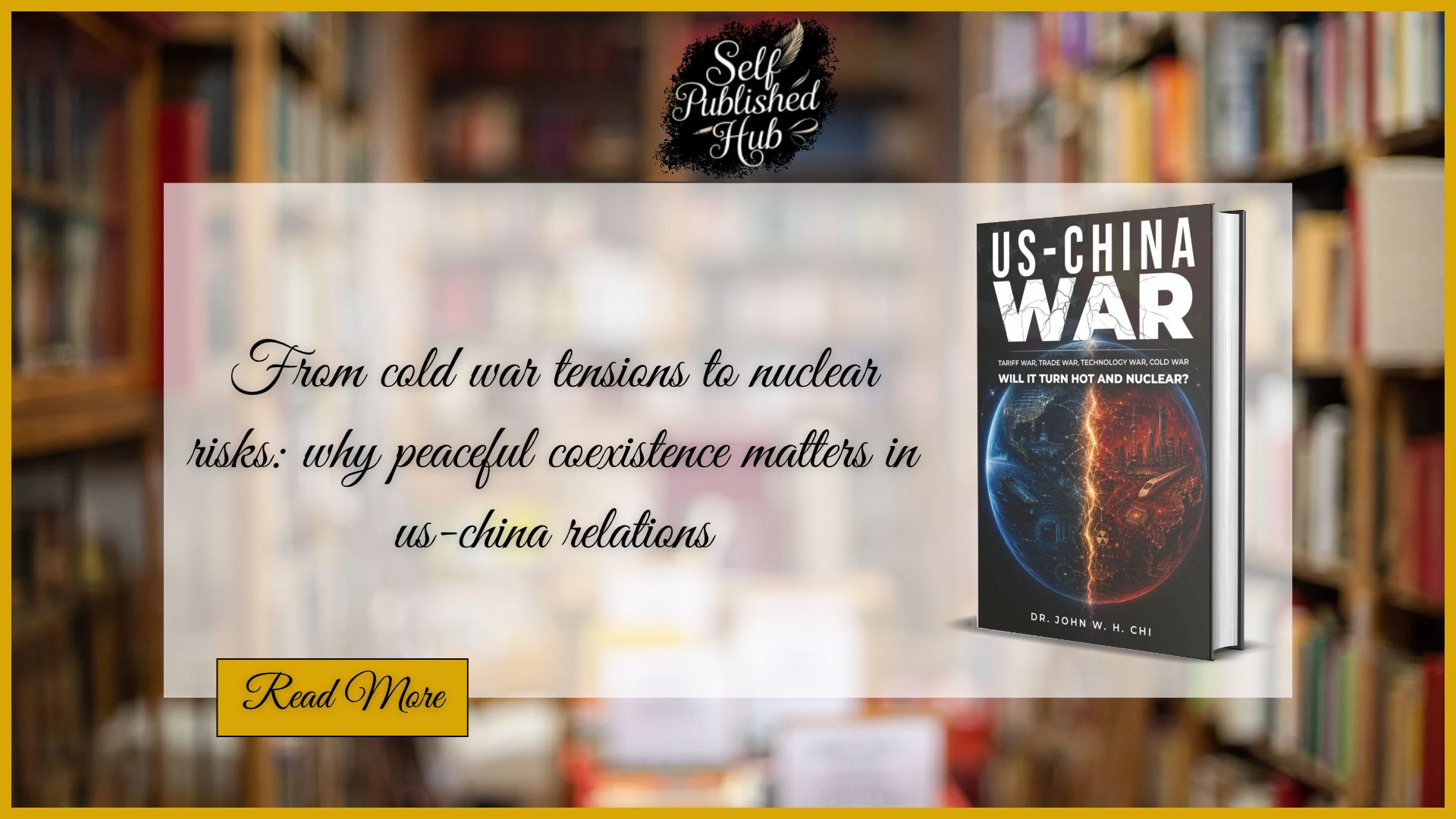
As explored in US-China War, the possibility of nuclear escalation makes diplomatic engagement particularly important.
The consequences of miscalculation could extend far beyond the immediate region, affecting international security and future generations.
CHOOSING DIPLOMACY OVER CONFRONTATION
International competition does not automatically require hostility.
Countries can disagree over political systems, economic policies, and territorial questions while maintaining communication and pursuing shared interests.
Diplomatic negotiations, confidence-building measures, and sustained dialogue can help reduce misunderstandings before they develop into crises.
Dr. John W. H. Chi advocates peaceful coexistence and cooperation as alternatives to escalating confrontation.
The broader lesson is that economic leadership and military strength carry responsibilities extending beyond national borders.
In an interconnected world, protecting peace requires recognizing that international security cannot be separated from human welfare.
Ultimately, the future of US-China relations should not be measured only through economic dominance or military capability.
The more meaningful measure will be whether two powerful nations can manage their differences without placing global peace and prosperity at risk.
Explore the realities behind US-China tensions and the growing importance of global peace.
Discover US-China War by Dr. John W. H. Chi.
📖 Paperback: https://www.amazon.com/US-China-War-Will-Turn-Nuclear/dp/B0HC8TJT28/
📱 Kindle: https://www.amazon.com/US-China-War-Will-Turn-Nuclear-ebook/dp/B0HC8MY852/