War tends to cut through to the bare truth of things. Amid the plummeting bombs and spiraling smoke, there is no room for make-believe. There are the things that truly count, left in their wake—love, allegiance, and the willingness to take action, even if you’re scared out of your wits. That’s what makes Robyn Rowbotham’s tale in Is It Ever Right to Kill? by James Myles so powerful. It is not a war tale. It’s a human story, one in which friendship and duty and fear collide with each other most brutally.
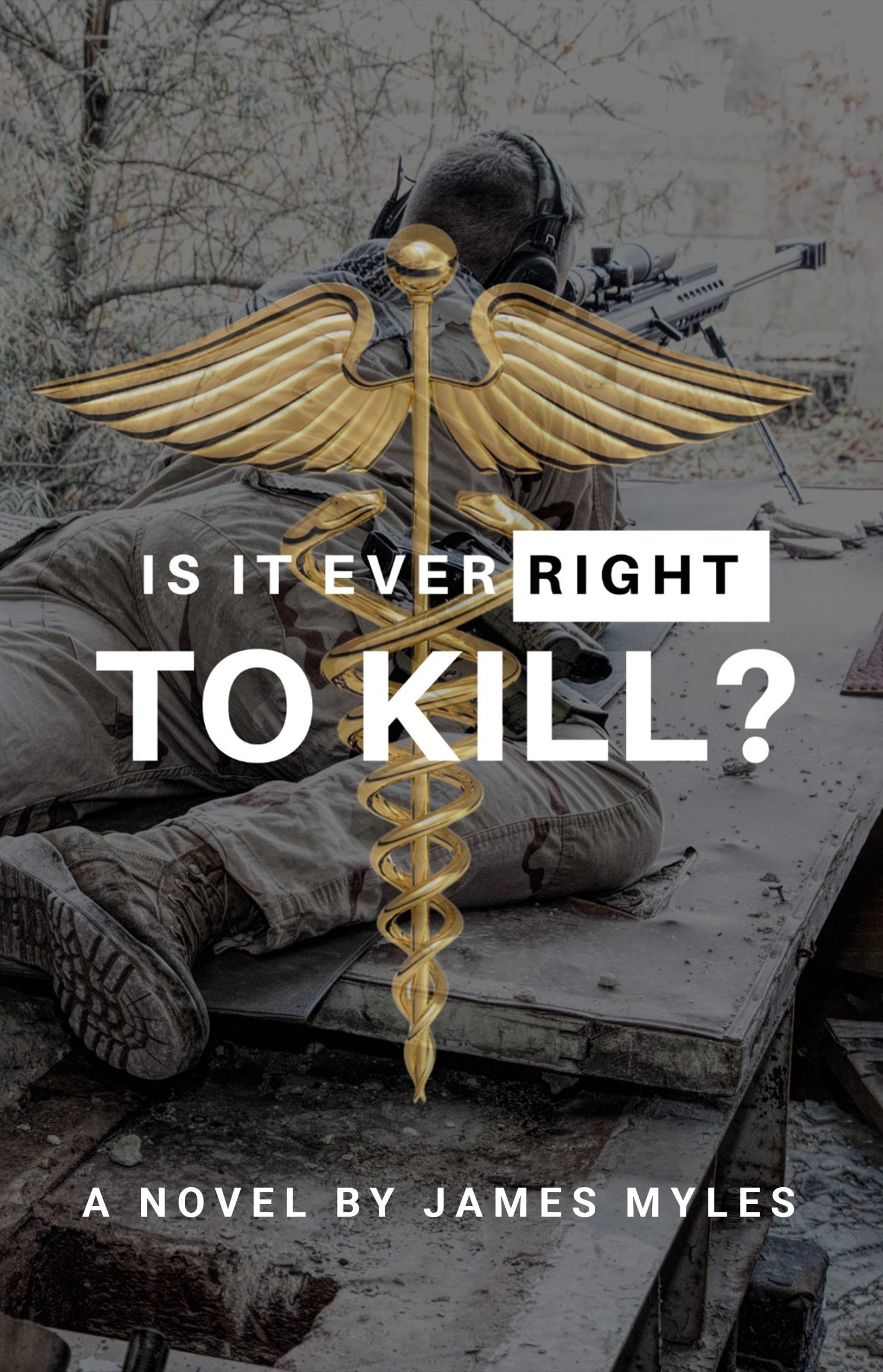
Robyn is not a soldier when we first encounter her. She is a clever, fiercely committed medical student facing exams, a doting boyfriend at her side, and a future envied by most. However, when her best friend Kat, a Ukrainian refugee, frantically calls after being unable to reach her parents, who are stuck in a war zone, Robyn is confronted with an inquiry with no simple response: How far do you go for someone you love?
She could have remained in London. She could have given moral support, contributions, and sympathy. But Robyn does not do that. She does something else. She does what she can’t not do. She goes with Kat—into the heart of Ukraine, where Russian rockets illuminate the night sky, and each step forward might be the last. She becomes a part of a volunteer medical team, putting herself directly in harm’s way. Not because she must, but because she can’t not.
And that’s what makes her story so deeply touching.
Is It Ever Right to Kill? Does not portray Robyn as a bold heroine. Rather, it portrays her fear, her doubt, her sleepless nights spent wondering if she has made a terrible mistake. But it also portrays her steadfast loyalty to her friend, her refusal to be swayed by doubt, and her determination to assist. In the bunkers of war, she doesn’t learn to just bind wounds—she learns what service means.
Because duty isn’t always about country or uniform. Sometimes, it’s about love. About showing up when someone’s world is collapsing and saying, “I’m here.” Robyn’s sense of duty is born not out of obligation, but out of a deep and unbreakable bond. In that way, her actions on the front lines are both heroic and heartbreakingly personal.
We tend to see war in terms of borders and battles. But this tale brings to mind that war is truly measured in terms of lives—lives lost, lives that are left behind, and lives that emerge, shaking but firm, to care.
Ultimately, Robyn’s tale is one of courage that has been forged in compassion, and of strength that has been inspired by love. In the darkness of war, she discovers not only the turmoil of fighting, but the clearness of purpose. And that, perhaps, is the best sort of courage.
Get Your Copy On Amazon: www.amazon.com/dp/B0DPT6DPR9