Honestly, we don’t know when or how life can sometimes bring experiences that leave deep emotional marks that will lead to long-lost and buried trauma. Be it personal loss, an unhealthy relationship, a violent experience, or a period of intense fear and uncertainty, such unrealistic and unbelievable instances always left many questions and us confused and distressed.
However, the first step toward reclaiming strength after trauma is to understand that healing is not a straight road but a path with turns, pauses, and moments of progress that may feel small at the time but are important in the bigger picture.
For that, you should allow yourself to feel what happened rather than pushing it aside. While some women try to move forward by pretending the event did not affect them, real strength comes when you face the pain, name it, and understand that it is part of your story. This is about allowing your trauma not to define you and accepting it so you can start to heal.
Having trusted people who listen without judgment can make a difference. For some, this may be family or friends. For others, it could be support groups or professional counseling. Even sharing your thoughts and feelings with someone who cares can help you process the experience and remind you that you are not alone.
Self-care is another important part of reclaiming strength, which does not have to mean big, expensive changes. You could lean on a simple routine such as eating well, getting enough rest, and finding a physical activity that you enjoy. Exercise, even in small amounts, can also improve mood and help release tension, whereas creative outlets such as writing, painting, or music can also provide ways to express feelings that may be hard to put into words.
Moreover, setting small, achievable goals can help rebuild confidence. Where trauma can make the world feel unpredictable, achieving even minor goals can restore a sense of control. So, start with things that feel manageable, such as making time for a hobby, learning a new skill, or organizing part of your home. Remember that each step forward, no matter how small, is proof that you are rebuilding your life.
Another part of regaining strength is choosing how you see yourself. You should know that you are not only a survivor of what happened. Instead, you are also a person with talents, dreams, and a future. Therefore, reconnecting with activities, values, and relationships that make you feel whole can help you remember who you are beyond the trauma.
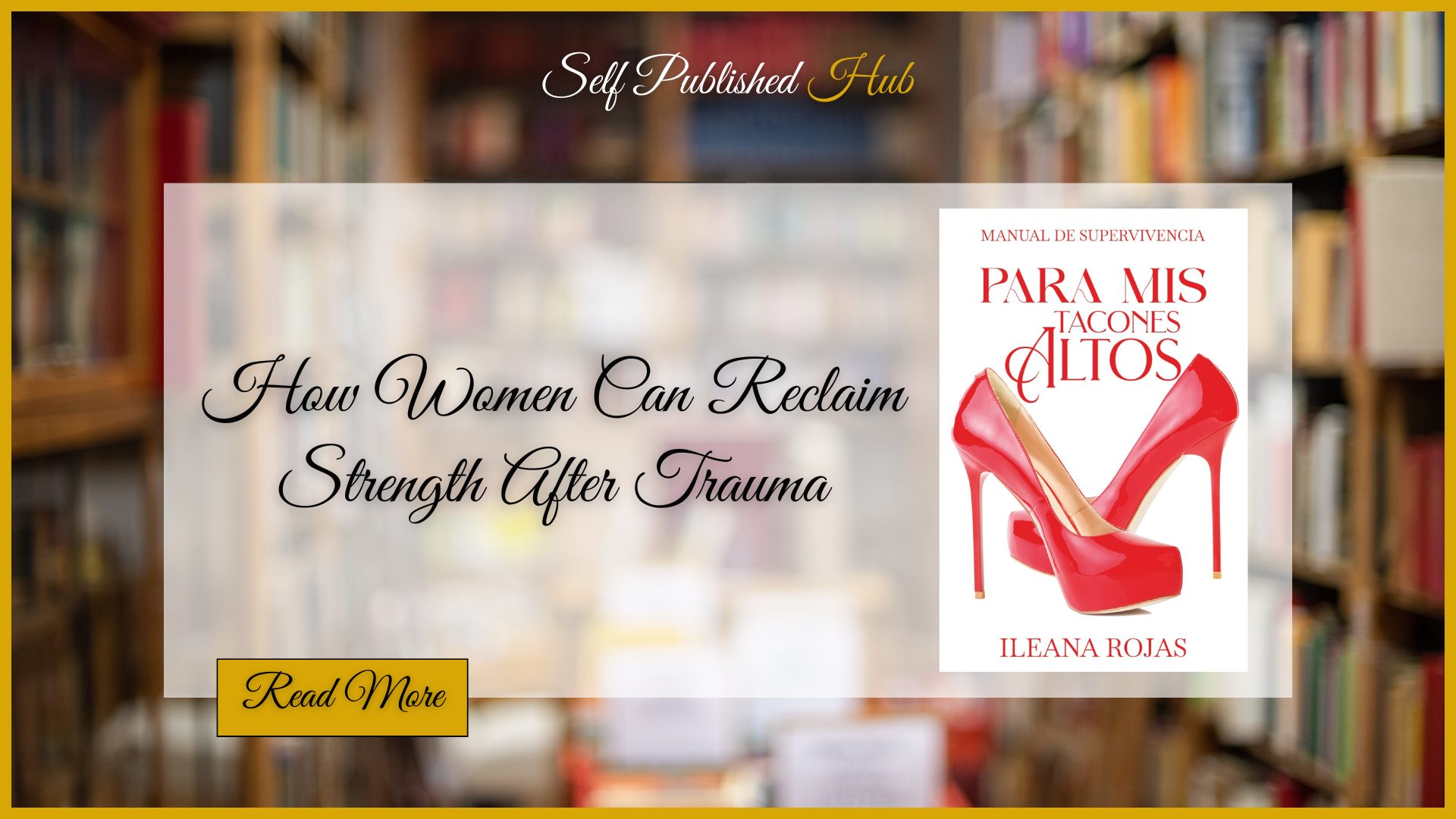
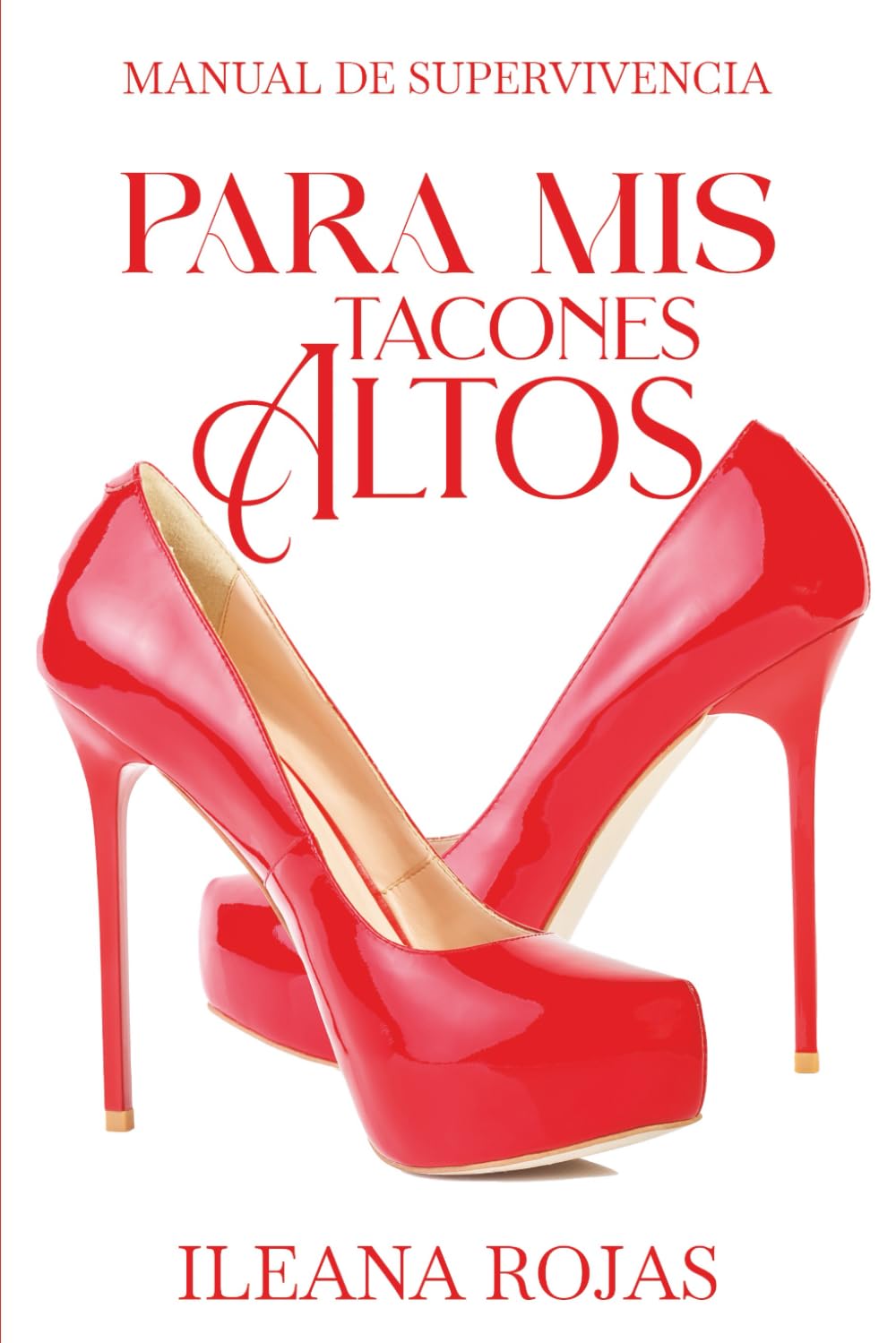
For many women, reading the experiences of others can be encouraging. In this regard, a book like Para Mis Tacones Altos: Manual de Supervivencia by Ileana Rojas offers both personal storytelling and practical ideas for overcoming challenges. It can remind you that even in the most difficult situations, it is possible to heal and stand tall again.
In the end, reclaiming strength after trauma is not about forgetting the past or pretending it never happened. It is about learning how to live fully while carrying the lessons it brought. You may find that your experiences give you new understanding, compassion, and a deeper sense of purpose. Over time, the pain may not disappear entirely, but it can become a part of you that no longer controls you. You need to remind yourself that what matters most is taking steps toward the life you want, at your own pace. You are allowed to have hard days. You are allowed to rest. And you are also allowed to believe in your own ability to recover.
For more strength and inspiration, read Para Mis Tacones Altos: Manual de Supervivencia. The book can be purchased from Amazon: https://www.amazon.com/dp/B0FC313SN3/.