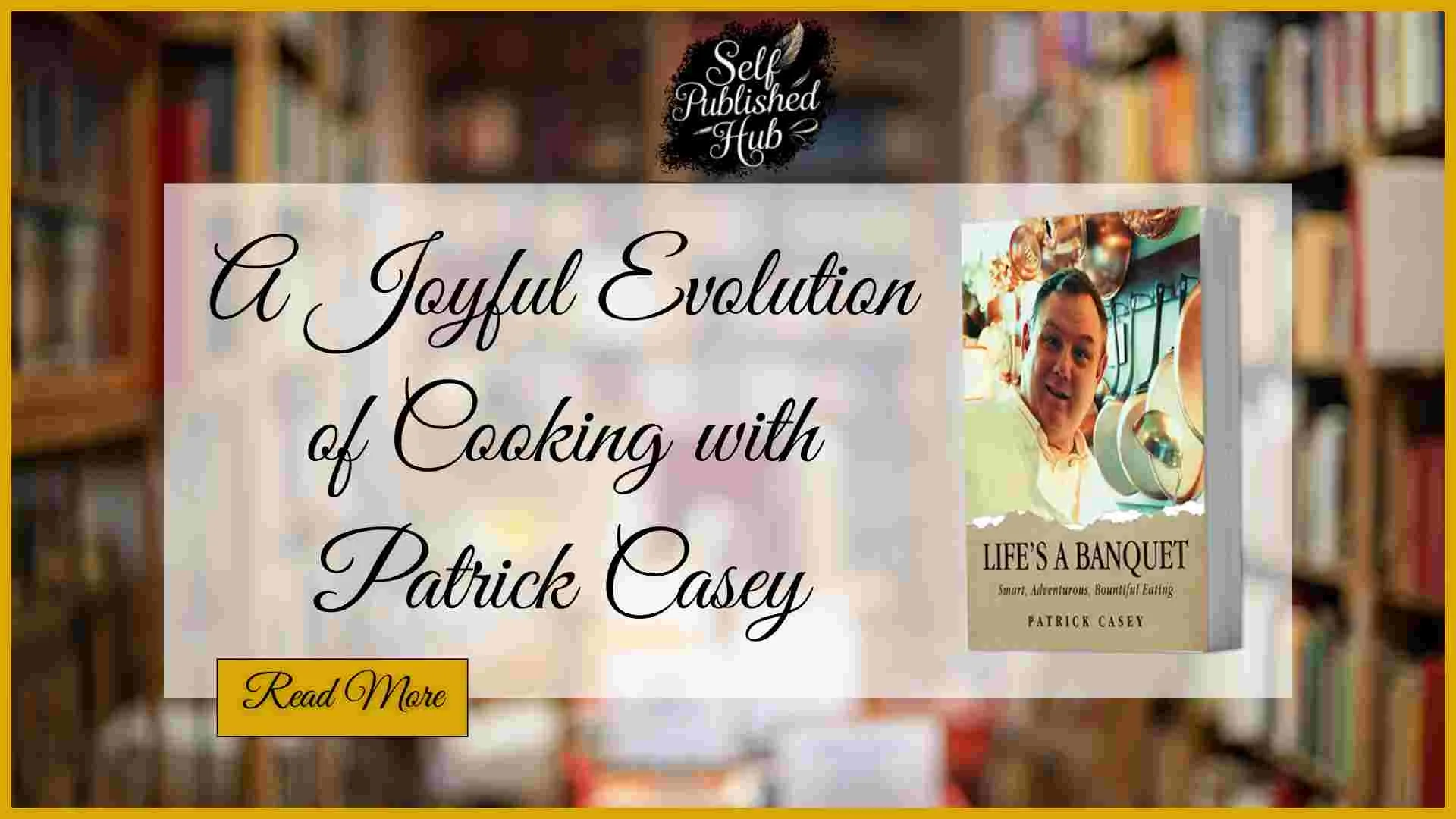
In Life’s a Banquet: Smart, Adventurous, Bountiful Eating, Patrick Casey opens his kitchen and his heart to those of us who believe that cooking is more than a domestic chore—it’s a dance between tradition and innovation. As someone who shares Casey’s admiration for classic French cooking, I found his reflections not only nostalgic but also refreshingly practical for our modern culinary lives.
Growing up under the spell of Julia Child, many of us learned to reverence beurre blanc, coq au vin, and soufflés with the same awe as opera or art. French cuisine, with its meticulous techniques and indulgent flavors, shaped generations of home cooks. Casey acknowledges this heritage with fondness, describing how his early kitchen instincts were guided by the likes of Julia Child, a culinary icon who, for many Americans, made French food approachable yet aspirational.
But as Casey wisely points out, we can’t eat like we’re living in the salons of Paris during the belle époque. Our bodies, our ingredients, and even our social values have changed. It’s no longer just about technique; it’s about intention. That’s where his perspective truly shines.
Casey doesn’t abandon the elegance of French cuisine. Instead, he evolves it. He reminds us that the history of cooking has always been about adaptation—about using what’s available, what’s nutritious, and what fits the mood and rhythm of the times. From French copper pots to modern spiralizers, the tools of the kitchen have changed, but the joy of crafting something meaningful from raw ingredients remains the same.
Take, for instance, his open-minded approach to raw vegan cooking. At first glance, it may seem a far cry from the butter-drenched, sauce-laden dishes of traditional French gastronomy. But Casey recognizes a kind of artistry in these plant-based techniques—a fusion of color, texture, and freshness that today’s ingredients and equipment make not only possible but dazzling. It’s not a rejection of classic cooking, but rather a reimagining of it through the lens of vitality and wellness.
One of the most compelling insights Casey offers is about the balancing act required in family cooking. Anyone who’s tried to feed a household of different tastes and dietary preferences knows the challenge. But Casey doesn’t treat this as a burden—instead, he sees it as a creative opportunity. Being versatile in the kitchen isn’t a compromise; it’s a strength. It’s an exercise in empathy and adaptability, the very essence of hospitality.
Perhaps the greatest takeaway from Life’s a Banquet is Casey’s belief that complicated cooking becomes simple when you understand the “why” behind the method. It’s not about rote memorization or intimidating recipes. It’s about knowing the soul of a dish—its texture, its aroma, its impact. When you learn to cook with intent and intuition, even the most intricate recipes feel like second nature.
In today’s world, eating is no longer just about survival. It’s about meaning, joy, and connection. Casey encourages us to let food nourish not just our bodies but our souls. Whether you’re preparing a hearty Provençal stew, a zesty quinoa salad, or a vibrant green smoothie, the goal remains the same: to make food that matters.
Life’s a Banquet is more than a cookbook—it’s a culinary philosophy. It celebrates the sophistication of the past and the innovation of the present, all while reminding us that at the center of it all is love, curiosity, and a seat at the table for everyone. Bon appétit!