Immigration is often discussed through history, politics or statistics. Lourdes Fasani approaches it from a much smaller, more personal angle: through the eyes of a child.
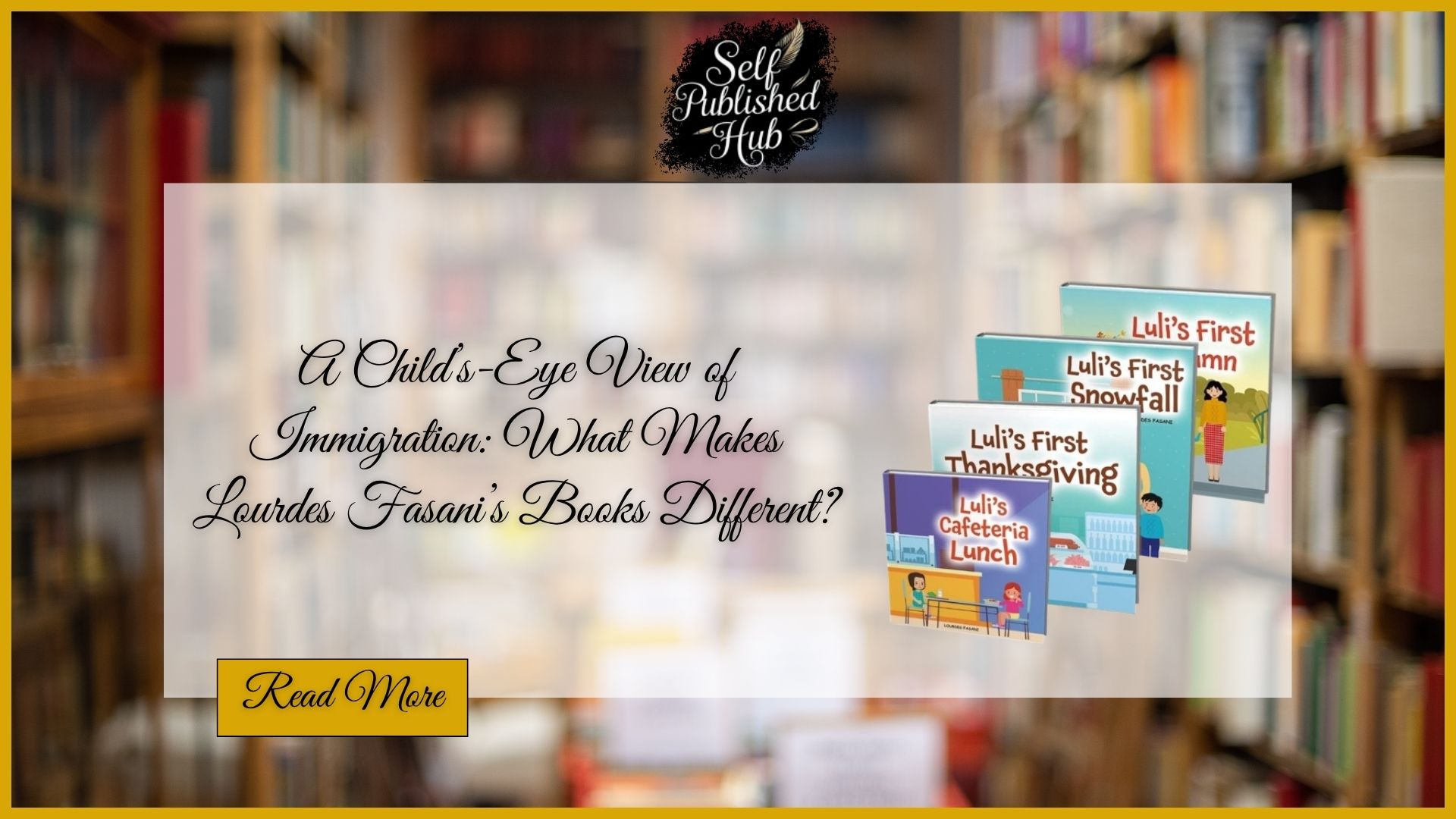
In Luli’s First Autumn, Luli’s First Thanksgiving, Luli’s Cafeteria Lunch, Luli’s Sad Farewell and Luli’s First Snowfall, readers follow eight-year-old Luli as she leaves Cuba and begins adjusting to life in the United States. What makes these books especially engaging is the way major life changes are shown through ordinary childhood experiences: food, school, holidays, weather, family and the small surprises that come with entering a new culture.
The collection is rooted in Fasani’s own childhood. She was born in Marianao, Cuba and arrived in the United States as a third-grade student. She was the only non-English speaker in her classroom in Hinsdale, Illinois and later became a bilingual teacher for English learners. That background gives the stories a personal foundation while keeping them accessible to young readers.
In Luli’s Sad Farewell, immigration begins with loss. Luli says goodbye to her grandfather, leaves familiar surroundings and faces the emotional reality of departing Cuba. At the airport, she is told she cannot take her beloved doll, while her mother must leave family photographs behind. These details help children understand that leaving a country can also mean leaving treasured objects, routines and people. The story eventually moves toward hope when Luli reaches Chicago and is reunited with her father after more than two years apart.
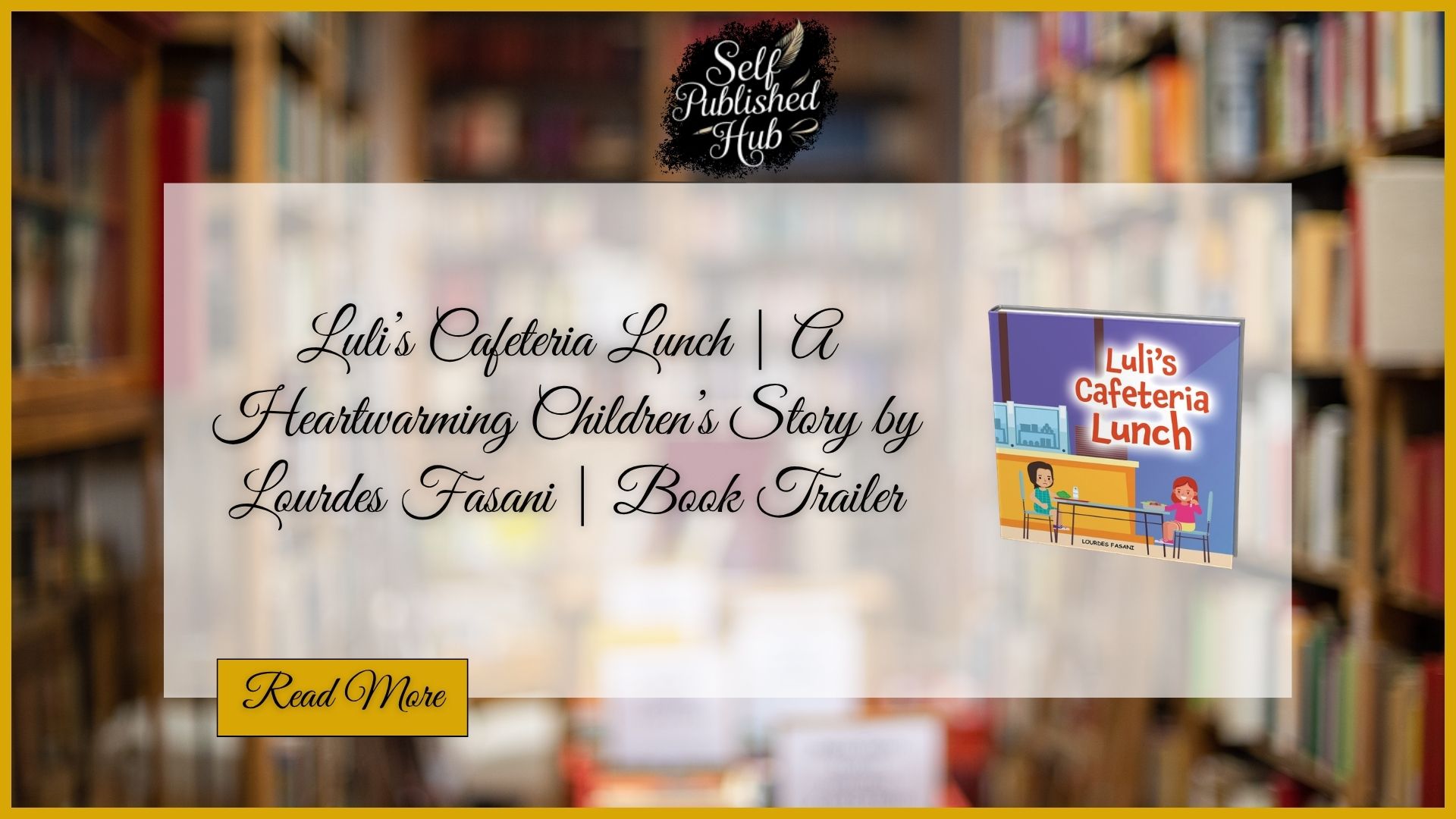
The adjustment continues in Luli’s Cafeteria Lunch. For Luli, something as simple as school lunch feels unfamiliar. She is shocked by cold milk and has never eaten broccoli. Her mother responds creatively by giving her cocoa for the milk and garlic powder for the broccoli. The scene shows adaptation not as an instant transformation, but as a gradual process of making the unfamiliar feel manageable.
Luli’s First Autumn brings that same perspective to the changing seasons. Luli marvels at red, orange and yellow leaves and encounters Halloween for the first time. Growing up in Cuba, she had not experienced autumn in this way or celebrated the holiday, making pumpkins, costumes and a school parade entirely new discoveries.
In Luli’s First Thanksgiving, the idea of belonging grows through shared traditions. Luli’s family celebrates with American neighbors, bringing Cuban dishes such as pork roast, congrí, yuca, plantains and flan to a table that also includes turkey, dressing and pumpkin pie. Instead of presenting culture as something that must be replaced, the story shows how old and new traditions can exist together.
Then, in Luli’s First Snowfall, readers see the wonder of a child experiencing winter for the first time. Luli looks outside and thinks the snowy yard has been covered in sugar. That sense of amazement gives the story warmth while also showing how completely different her new environment feels.
What makes Lourdes Fasani’s books different is their focus on the everyday details of immigration. Rather than explaining the experience from an adult perspective, they allow children to see it through Luli’s confusion, curiosity, fear, excitement and growing confidence.
Together, the five books offer young readers a gentle way to understand that belonging can take time and that building a new home does not require forgetting the one that came before.
Read the book on Amazon: https://www.amazon.com/stores/author/B0FVGJBMBR/allbooks