Picture someone you care about crossing a line. They humiliate a stranger, bend the truth, or ask you to cover for them. You know it is wrong, but you also remember the times they helped you. So you say nothing. That silence may feel like loyalty. It can also become the moment your conscience starts negotiating with your need to belong.
WHEN FRIENDSHIP BECOMES A TEST
Friendship often asks us to be dependable. It should not require us to surrender judgment. Yet groups create quiet rules: protect your own, never appear disloyal, and don’t make trouble. The stronger our desire for acceptance, the easier it becomes to mistake agreement for kindness.
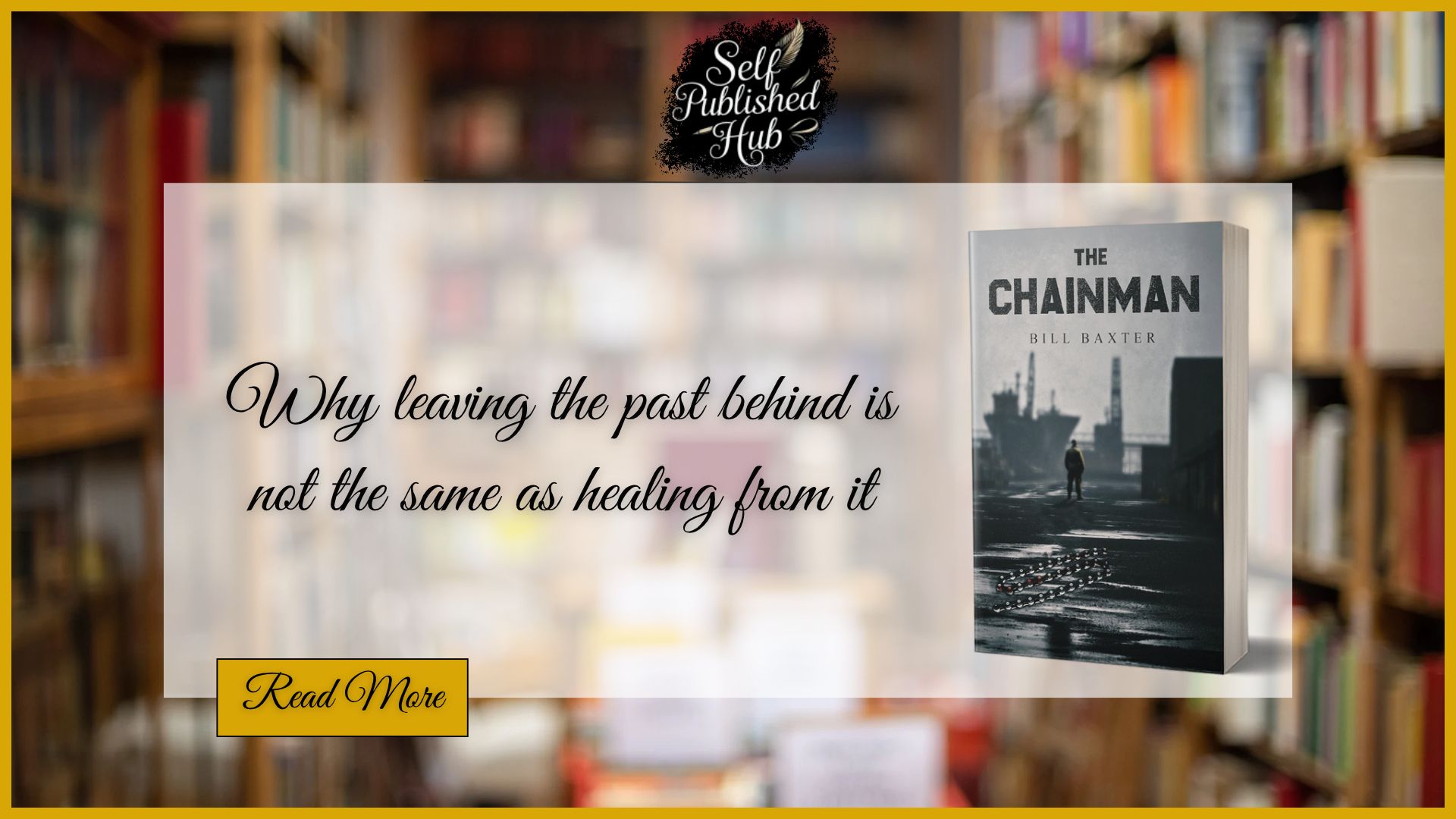
Bill Baxter’s The Chainman explores this tension through Billy and his friend Spam. Spam is capable of generosity and affection, even helping an injured stranger, but he also uses intimidation and violence. Billy admires his courage and energy while sensing the danger around him. Their friendship is complicated precisely because the harm is not the whole person.
HOW SMALL COMPROMISES GROW
The first surrender is rarely dramatic. Billy becomes involved in stealing cigarettes, agrees to reinforce a misleading story about an assault, and joins schemes to siphon petrol. His unease does not prevent his participation. He wants to remain a trusted friend, and the price of belonging rises with each decision.
This pattern is familiar beyond fiction. At work, someone might stay quiet when a colleague is blamed unfairly. In a social circle, a person may excuse bullying as humour. Each moment can be rationalised: it isn’t my business, I wasn’t the one who started it, or I don’t want to make things worse. But repeated silence gives harmful behaviour room to grow.
THE NEED TO BE ACCEPTED
Belonging can also shape who we think we are. As Billy moves into the theatre world, he tries on a different voice and manner, eager to impress people he admires. The setting changes, but his vulnerability to other people’s approval remains. Leaving one group does not automatically mean learning to think independently.
That is why conscience requires more than knowing the difference between right and wrong. It requires noticing when fear of rejection is influencing a decision. A useful question is: would I still defend this behaviour if it came from someone I didn’t know? If the answer is no, loyalty may be distorting judgment.
LOYALTY WITH LIMITS
As sectarian violence deepens, The Chainman returns to the consequences of allegiance without accountability. Bill Baxter places personal relationships against a wider climate of suspicion and retaliation, where seeing others as members of a side can make their suffering easier to dismiss. The stakes become much larger, but the underlying choice is the same.
Being loyal does not mean excusing every action. Sometimes it means refusing to lie, speaking up before harm escalates, or accepting that a friendship cannot continue on the same terms. We can acknowledge someone’s humanity without protecting their misconduct.
The most meaningful test of belonging is not whether we stand beside our people at any cost, but whether we can stand by what is right when doing so costs us their approval.
EXPLORE THE FULL STORY: DISCOVER THE BOOK ON AMAZON