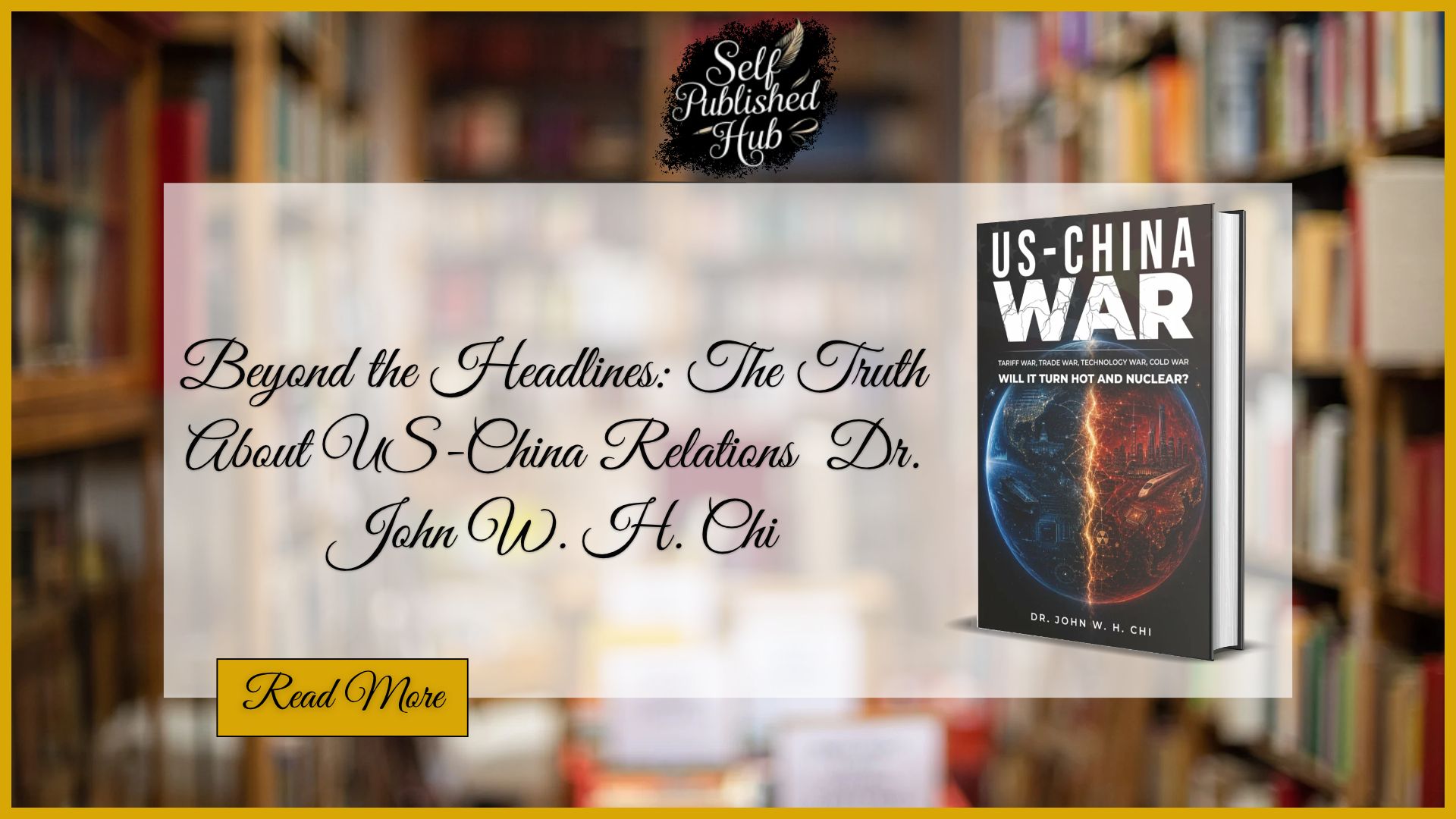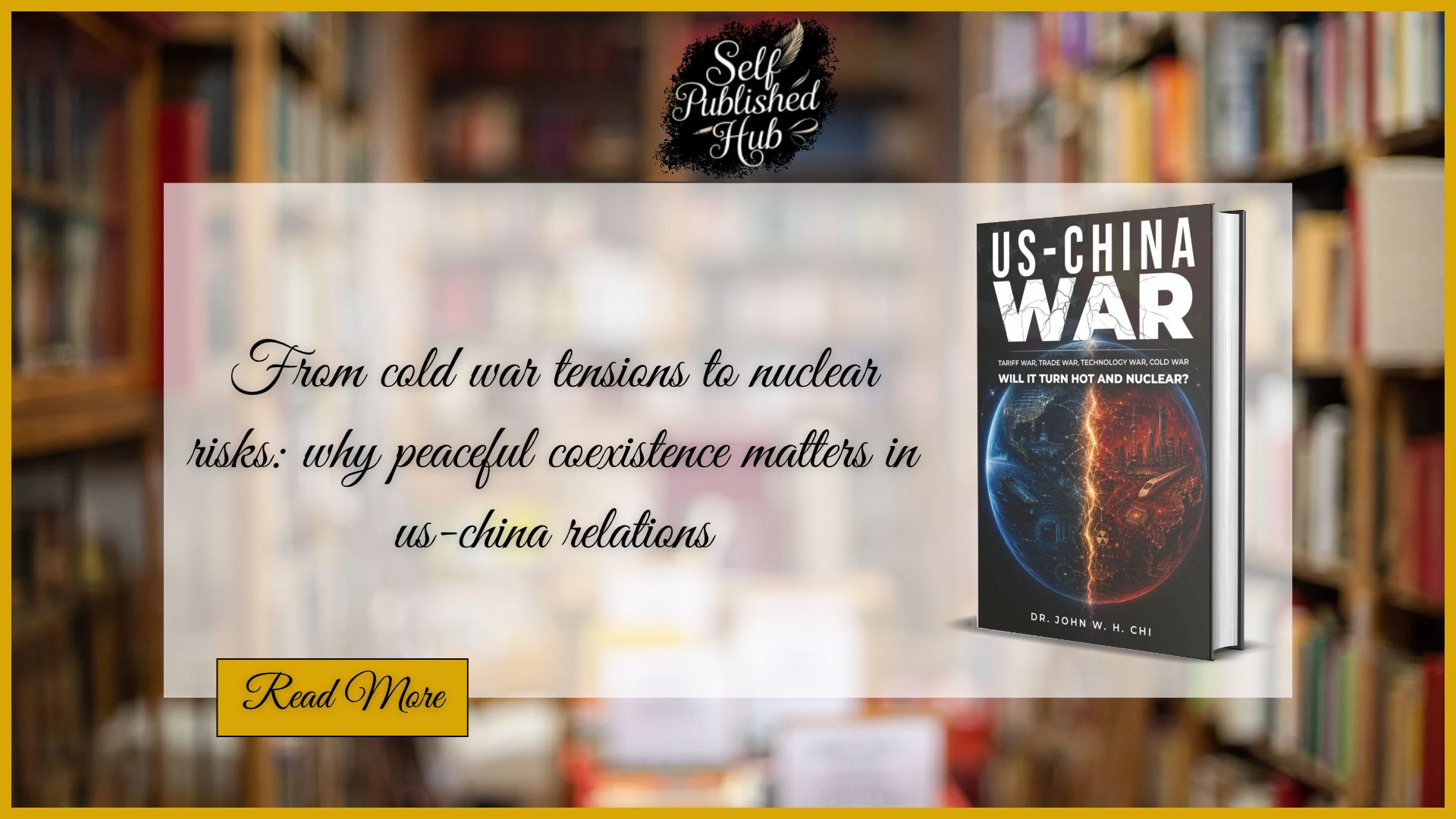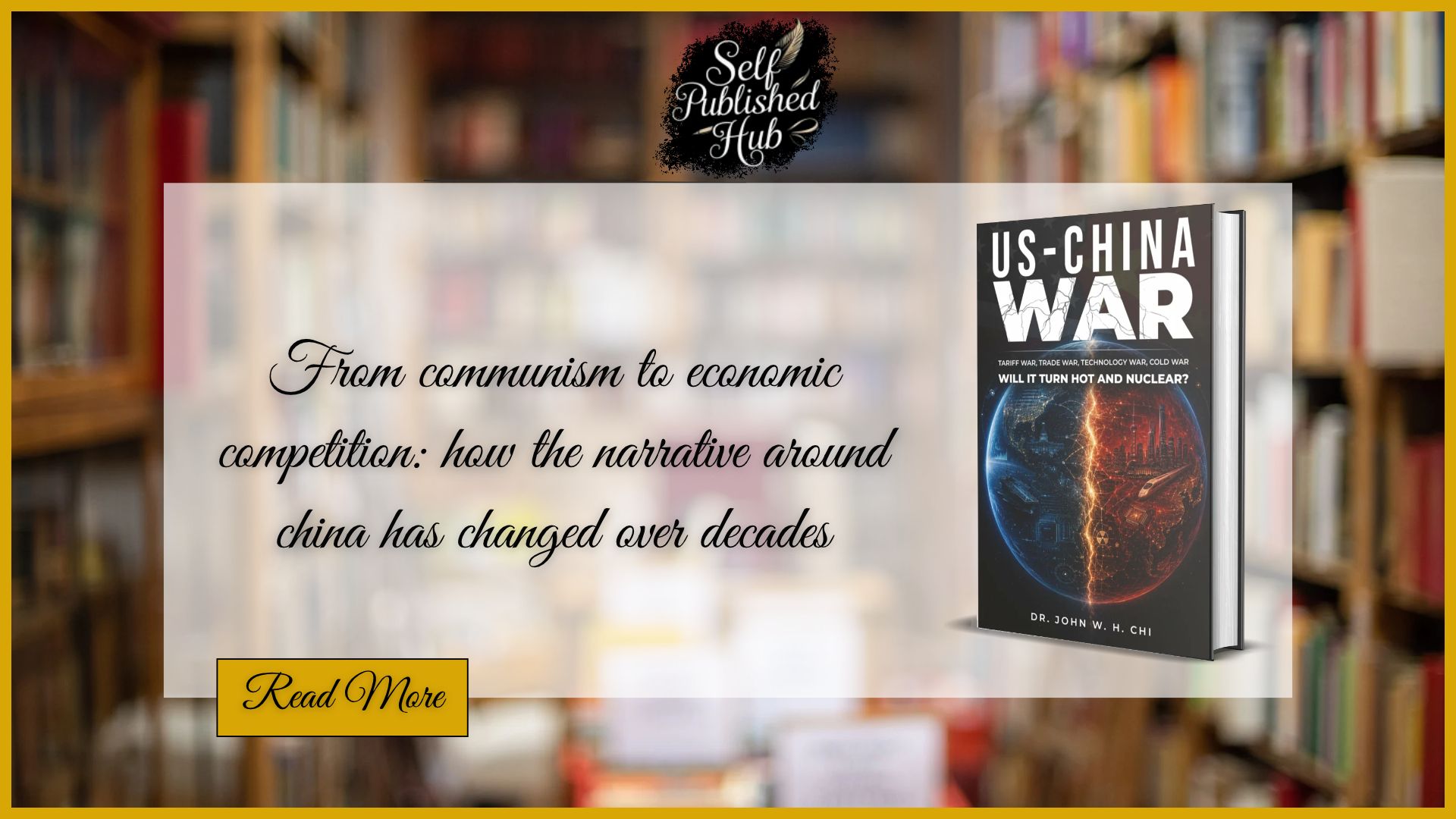
Why does a country continue to face international criticism even after transforming its economy, improving living standards, and becoming a major contributor to global trade? China’s evolving relationship with the United States raises an important question about how political narratives develop and why they sometimes persist despite significant economic and social changes.
FROM IDEOLOGICAL OPPOSITION TO ECONOMIC REFORM
During the Cold War, American opposition to China was largely shaped by concerns about communism and its potential expansion. Following the establishment of the People’s Republic of China in 1949, ideological differences contributed to decades of political distrust, economic restrictions, and strategic confrontation.
However, China’s development took a different direction in 1978 when Deng Xiaoping introduced economic reforms. By embracing market mechanisms, encouraging private enterprise, and welcoming foreign investment, China gradually developed a system combining state control with capitalist economic practices.
As Dr. John W. H. Chi discusses in US-China War, this transformation complicated the traditional ideological arguments that had dominated relations between the two countries.
ECONOMIC PROGRESS AND THE HUMAN RIGHTS DEBATE
China’s economic development brought substantial improvements in living conditions. Over several decades, approximately 800 million people were lifted out of extreme poverty, an achievement that fundamentally transformed opportunities for millions of families.
For those who experienced poverty, these changes meant more than economic statistics. Greater access to employment, education, infrastructure, and essential services created possibilities that earlier generations could scarcely imagine.
Yet criticism of China continued, increasingly focusing on human rights, political freedoms, and governance.
In US-China War, Dr. John W. H. Chi challenges these criticisms, arguing that China’s achievements in poverty reduction deserve greater recognition as contributions to human welfare and human rights.
Although human rights concerns remain internationally contested, the broader discussion raises an important question: Should assessments of national progress consider improvements in everyday living conditions alongside political and civil liberties?
WHEN ECONOMIC SUCCESS BECOMES STRATEGIC COMPETITION
As China expanded its manufacturing capabilities, technological expertise, and international trade relationships, economic cooperation increasingly became intertwined with strategic competition.
American concerns shifted toward trade imbalances, industrial competitiveness, intellectual property, and access to advanced technologies. Tariffs, export restrictions, and limitations involving semiconductor technologies became prominent instruments of economic policy.
These developments illustrate how deeply connected economies can become vulnerable to political disagreements.
A trade restriction may begin as a government decision, but its consequences can reach manufacturers, businesses, workers, and consumers across multiple countries.
MOVING BEYOND CONFRONTATION
The progression from ideological differences to trade wars, technology restrictions, and renewed Cold War tensions raises serious questions about international stability.
Economic competition does not necessarily require political hostility. Countries with different governing systems can maintain commercial relationships while addressing legitimate disagreements through dialogue.
The central concern explored in US-China War is that escalating rivalry could eventually create conditions for military confrontation, with potentially catastrophic consequences for global peace.
Understanding China’s transformation requires looking beyond familiar political narratives and examining historical context, economic achievements, competing interests, and documented evidence.
Ultimately, the most meaningful lesson is that international relationships should not be defined by inherited assumptions alone. A more stable future depends on informed discussion, mutual understanding, and the recognition that cooperation can serve national interests without requiring nations to abandon their differences.
Explore the realities behind US-China tensions and the growing importance of global peace.
Discover US-China War by Dr. John W. H. Chi.
📖 Paperback: https://www.amazon.com/US-China-War-Will-Turn-Nuclear/dp/B0HC8TJT28/
📱 Kindle: https://www.amazon.com/US-China-War-Will-Turn-Nuclear-ebook/dp/B0HC8MY852/