How does one feel when they leave everything they have ever known behind? The move to a new country by a child is not only a matter of changing borders or finding oneself within a new environment; it entails leaving loved ones, adapting to different norms, and learning how to be part of an environment that is foreign even in simple aspects of daily living.
Though immigrants symbolize hope and opportunity, the feelings of children who go through this journey are often neglected. They may be excited about their possibilities while feeling sad and uncertain at the same time.
The Emotional Weight of Leaving Home
Luli was eight years old when she, her mother and little brother Mayi left Marianao, Cuba, after the Cuban Revolution in order to join her father whom she had not seen in more than two years.
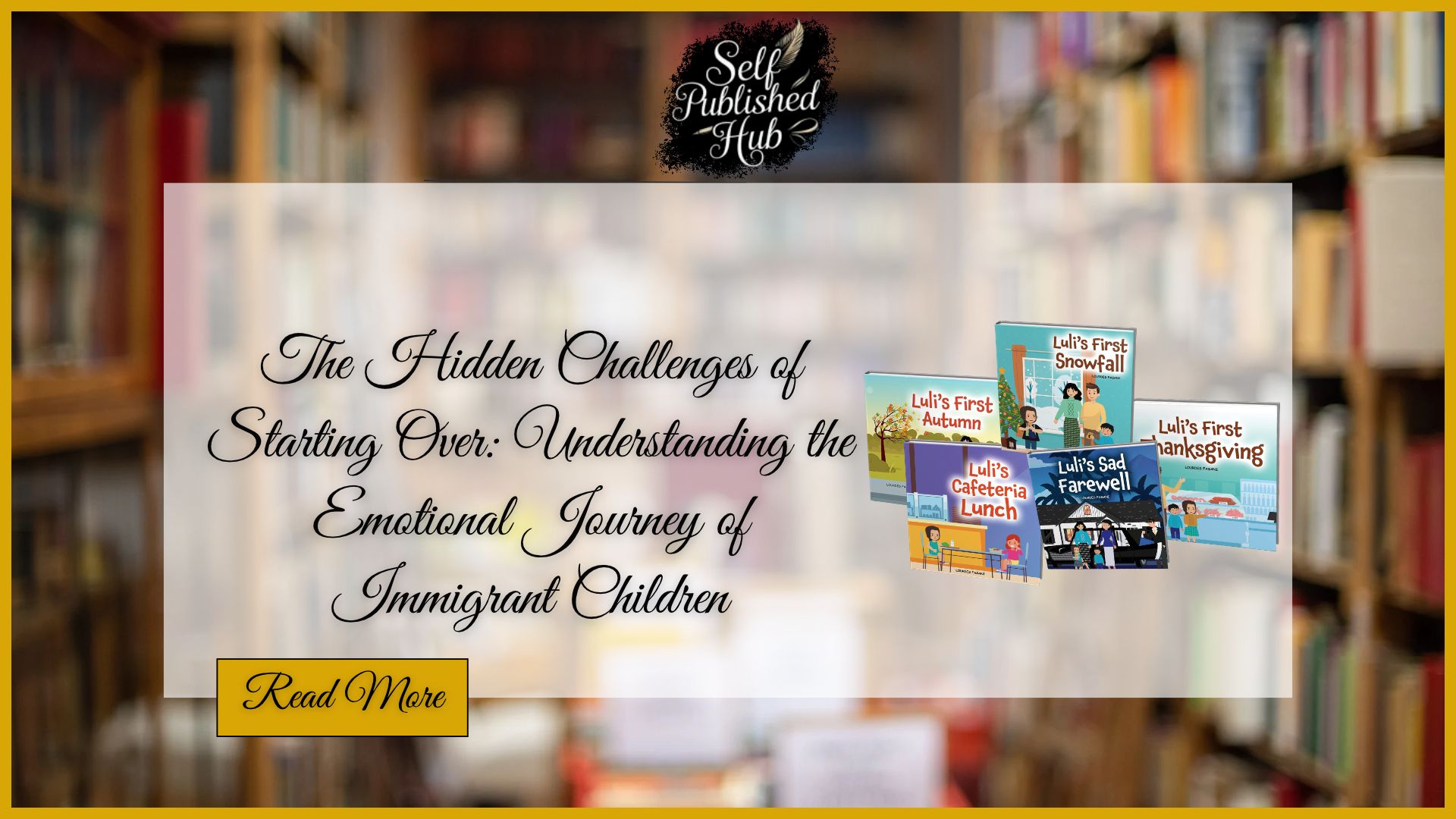
However, leaving their native Cuba was not an easy thing to do; in Luli’s Sad Farewell, Luli said her last good-bye to her grandfather and had to leave her beloved doll behind at the airport.
From these experiences, it is clear that memories and possessions of one’s childhood can mean a lot emotionally. What adults may perceive as a necessary step towards a brighter future is a tremendous loss for children.
Thus, through her childhood experiences, Lourdes Fasani demonstrates that leaving one’s life behind and starting a new one can be quite an emotional process.
When Everyday Experiences Become Challenges
Arriving in a new country introduces unfamiliar expectations that can make even simple activities difficult.
When Luli entered third grade in Hinsdale, Illinois, she was unable to communicate fluently in English. Although her teacher and classmates welcomed her, she still had to navigate an unfamiliar school environment.
Lunchtime presented another challenge. Accustomed to warm café con leche and traditional Cuban foods, Luli struggled with cold milk and steamed broccoli.
In Luli’s Cafeteria Lunch, her mother responds with understanding rather than frustration. By providing cocoa powder and garlic powder, she helps her daughter gradually become comfortable with unfamiliar foods.
This small act illustrates an important lesson: adapting to change becomes easier when children receive patience and practical support.
The Importance of Familiarity and Belonging
In the case of immigrant children, staying connected to their cultures will offer them reassurance in times of doubt.
In the experience of Luli, her first encounter of Halloween gave her some new cultural experiences. In Luli’s First Autumn, a kind neighbor made costumes for Luli and Mayi and thus, enabled them to join in their school’s Halloween parade even with all the financial problems they were having.
With Thanksgiving and Christmas, more cultural experiences arose where they got to adopt American culture and yet still keep their Cuban culture, memories and traditions.
From the examples, one can conclude that cultural adaptation does not mean forgetting their background but rather making it part of their identity.
Helping Children Feel Seen and Understood
Parents, teachers, and communities have meaningful opportunities to support children navigating unfamiliar surroundings.
A teacher who patiently helps a student participate, a parent who respects familiar preferences, or a neighbor who extends a welcoming gesture can make a lasting difference.
For educators, this means recognizing that a child’s difficulty adjusting may reflect unfamiliar experiences rather than unwillingness to participate. For families, it means creating space for both excitement and sadness.
Starting over is rarely a single moment of change. It is a gradual process of learning, remembering, and finding comfort in new relationships.
Available On Amazon: https://www.amazon.com/stores/Lourdes-Fasani/author/B0FVGJBMBR
Visit the Author’s Official Website: https://lourdesfasanibooks.com/