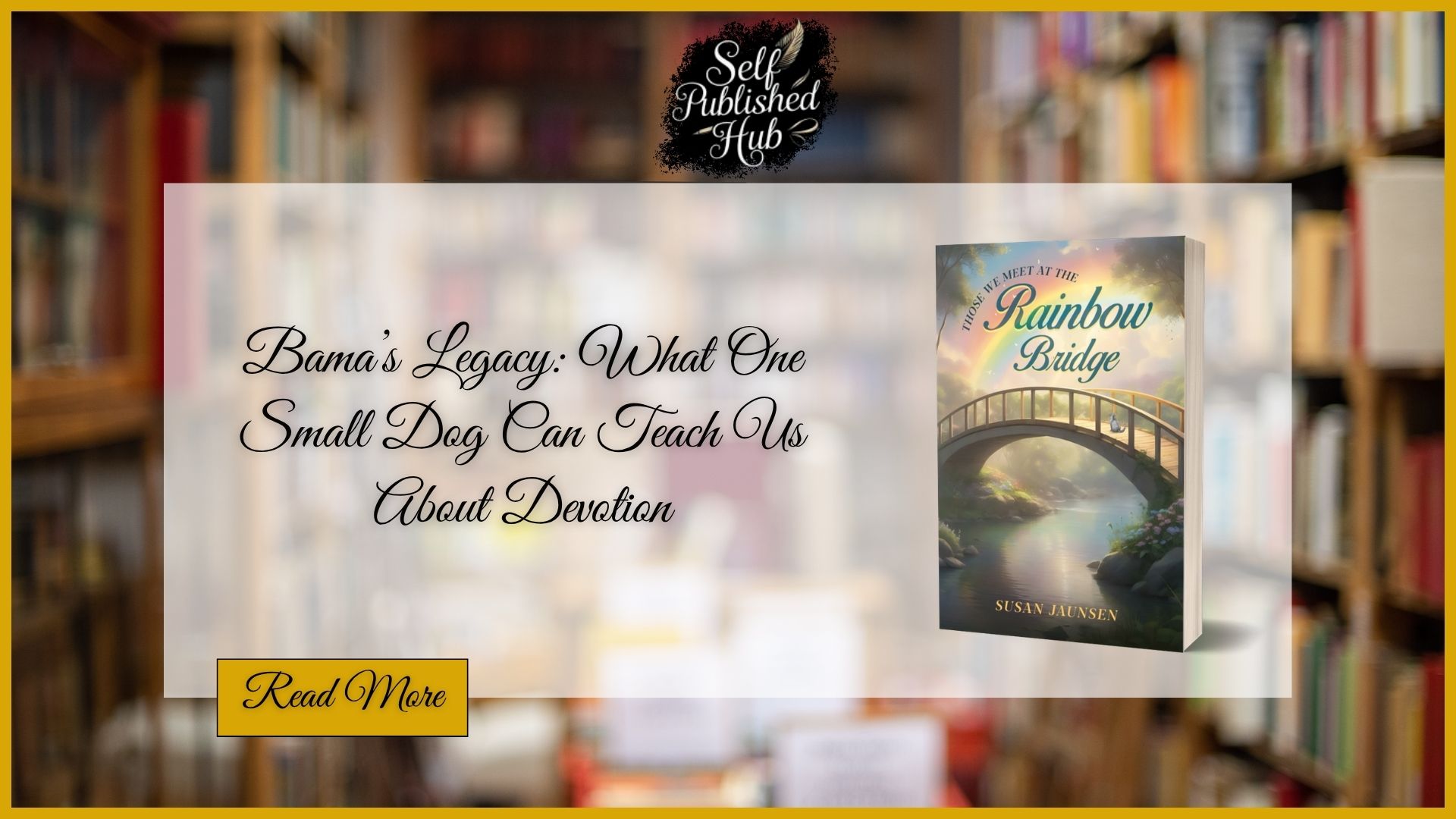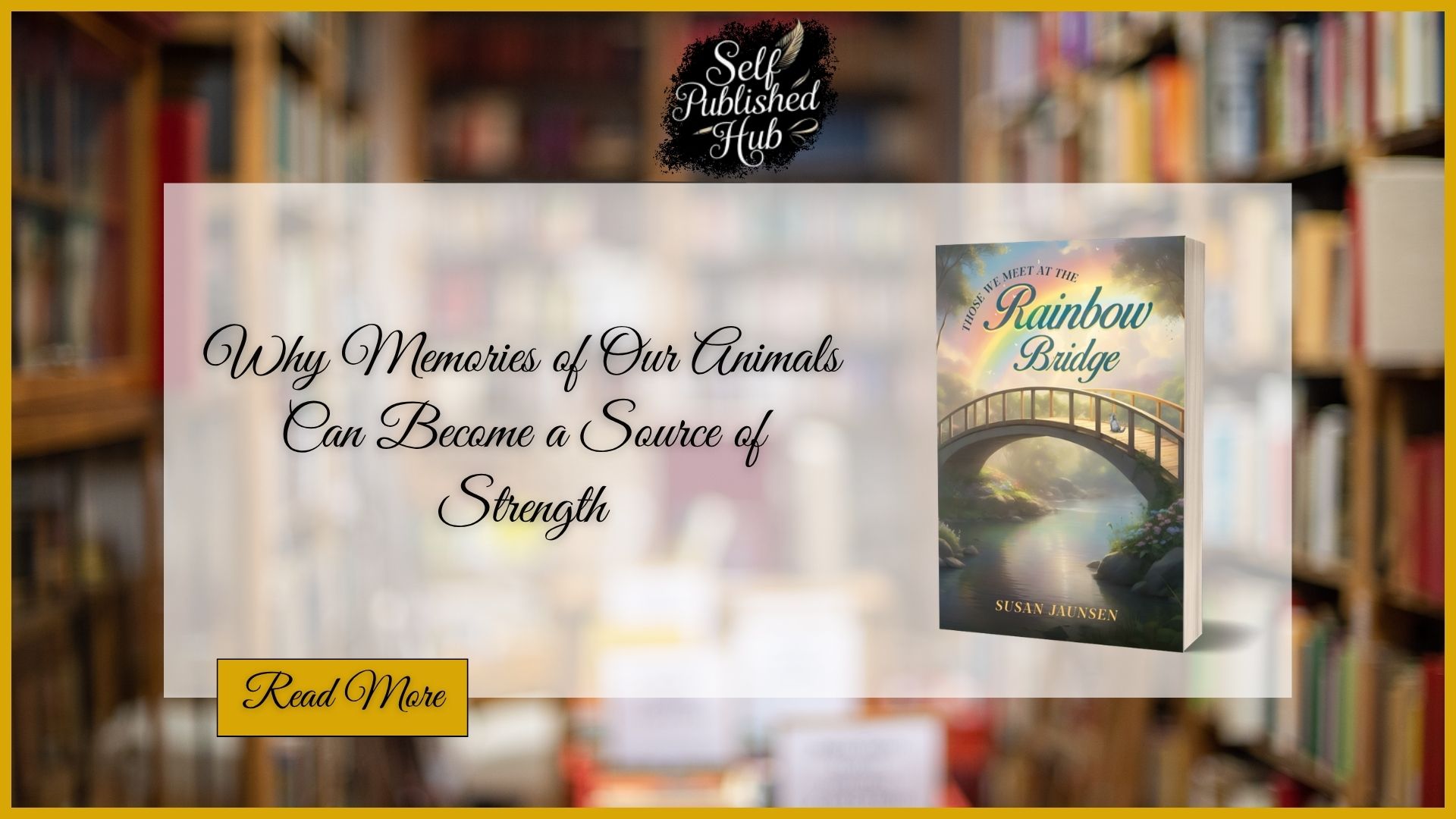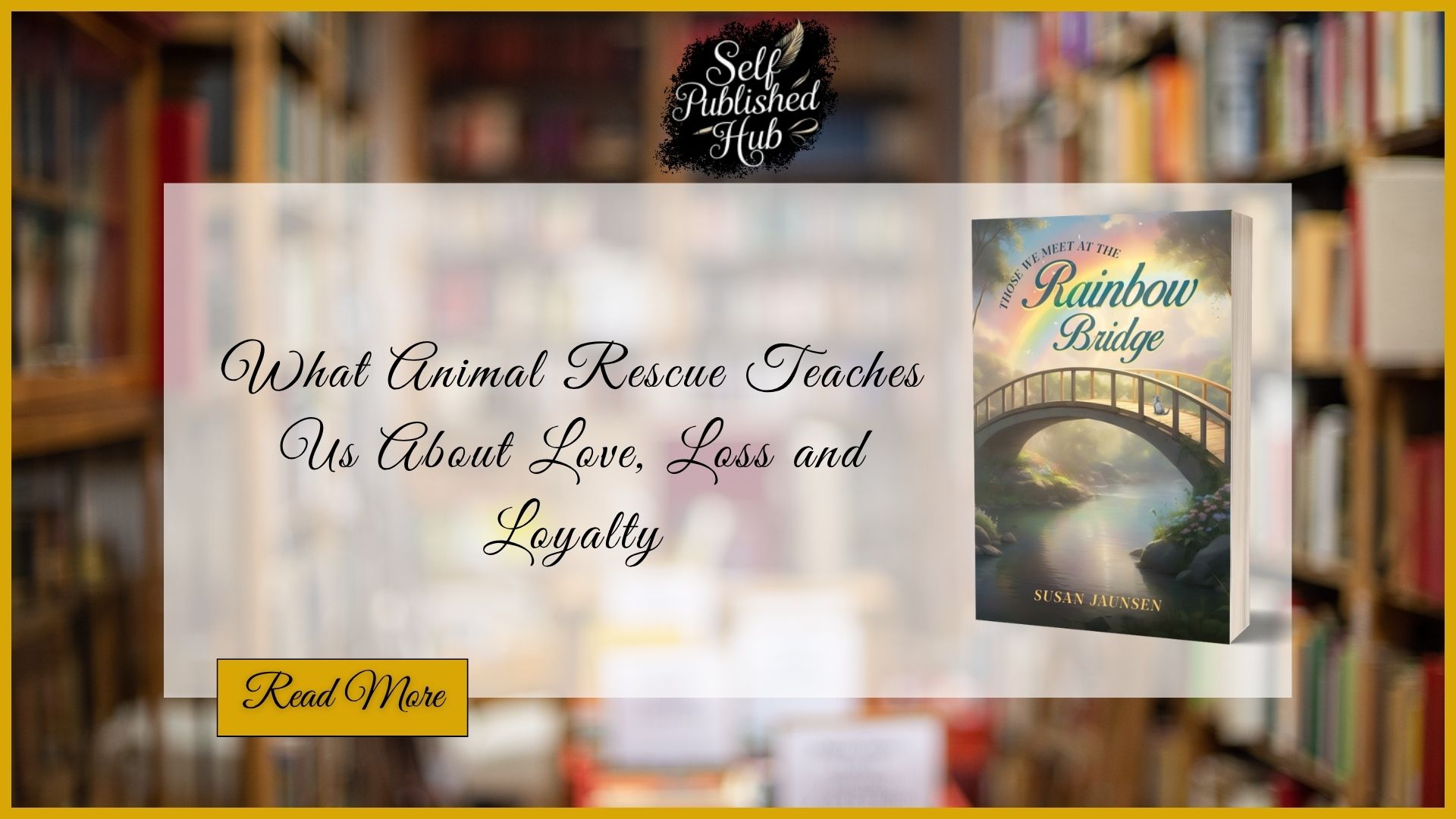
In a world where animal rescue stories often begin with suffering and uncertainty, author Susan Jaunsen offers something deeper: a reflection on how these moments of intervention become lifelong lessons in compassion. Every chapter of THOSE WE MEET AT THE RAINBOW BRIDGE reminds readers that rescue is not merely about saving animals from physical danger but about recognizing their emotional worlds and rebuilding trust where it has been broken.
Through stories like Willow, Chloe, Shadow, Oliver, Siam, Smokey and Bama, the narrative reveals how deeply animals remember care, fear and affection. These companions are not side notes but central voices in a larger conversation about responsibility and connection. Rescue teaches patience, especially when trust must be earned slowly through consistent kindness. It also teaches humility, as caretakers learn that healing cannot be rushed or forced.
In Susan Jaunsen’s world, every cat, dog and bird carries a story that mirrors human experiences of abandonment, belonging and redemption. The book also highlights the bittersweet truth that not all rescues end in permanence, but every act of care still matters. Whether it is a frightened feral cat learning to trust again or a loyal dog offering silent comfort during grief, these relationships form the emotional backbone of the story.
Readers are invited to reflect on how love extends beyond ownership into stewardship and mutual recognition. The Rainbow Bridge becomes more than a metaphor; it becomes a shared destination where memory and hope meet. In this space, loss is not an ending but a transformation of presence into enduring connection.
Through the gentle blending of realism and imaginative reunion, the book offers comfort to those who have loved and lost animals deeply. It encourages readers to remember that every act of rescue leaves a permanent imprint not only on the animal but also on the human heart. Ultimately Susan Jaunsen invites us to see animal rescue as a dialogue between species, where loyalty is silent but unmistakable and love is measured in presence rather than permanence.
The narrative does not shy away from grief but instead frames it as part of the same bond that made connection possible in the first place. Each story becomes a reminder that responsibility in rescue is both practical and emotional, requiring both action and acceptance. The reader is left with the understanding that even brief encounters can echo across a lifetime. In that sense, the Rainbow Bridge functions as a narrative space where unfinished conversations continue and where love is never truly interrupted but simply carried forward.
For anyone who has ever said goodbye to a beloved companion, this book offers both solace and recognition. It affirms that what is rescued is not only the animal but also the rescuer’s capacity to love without guarantee. In this way, the stories within THOSE WE MEET AT THE RAINBOW BRIDGE become an invitation to look again at the animals in our lives not as temporary companions but as enduring teachers of presence, patience and unconditional loyalty. They remind us that love does not end with separation but continues in memory, action and hope carried forward into every new encounter we have with life.
For readers seeking meaning in rescue and remembrance, it offers a gentle place to begin healing again while honoring every paw that ever changed a human life forever.