Imagination plays a vital role in neurodevelopment in early ages. Through imaginative stories, children explore ideas, emotions, and possibilities beyond their actual experiences. Fiction allows them to rehearse situations, confront challenges, and understand the world from multiple angles.
Stories that blend imagination with tension are the most effective. They capture attention while encouraging deeper engagement. When a story introduces an unfamiliar or mysterious element, readers are expected to question, predict, and interpret what might happen next.
Imaginative storytelling supports emotional intelligence. Characters experience fear, excitement, regret, and curiosity, all within a safe environment. Readers learn to identify these emotions and understand how they influence behavior. This process boosts empathy and self-awareness.
The use of familiar settings combined with imaginative twists helps make these experiences more realistic and relatable. Readers feel comfortable entering the story world because it resembles their own. The imaginative elements then stretch their thinking, encouraging creativity and problem-solving.
Short stories are especially valuable in this regard because they deliver imaginative impact without demanding extended concentration. This makes them accessible to a wide range of readers and ideal for repeated reading. Each revisit can reveal new details you might have missed on the first read.
Visual elements also enhance imaginative storytelling. Illustrations support mood and tone, offering visual cues while still leaving room for imagination. They complement the narrative and, rather than replace it, allow readers to engage fully with the story.
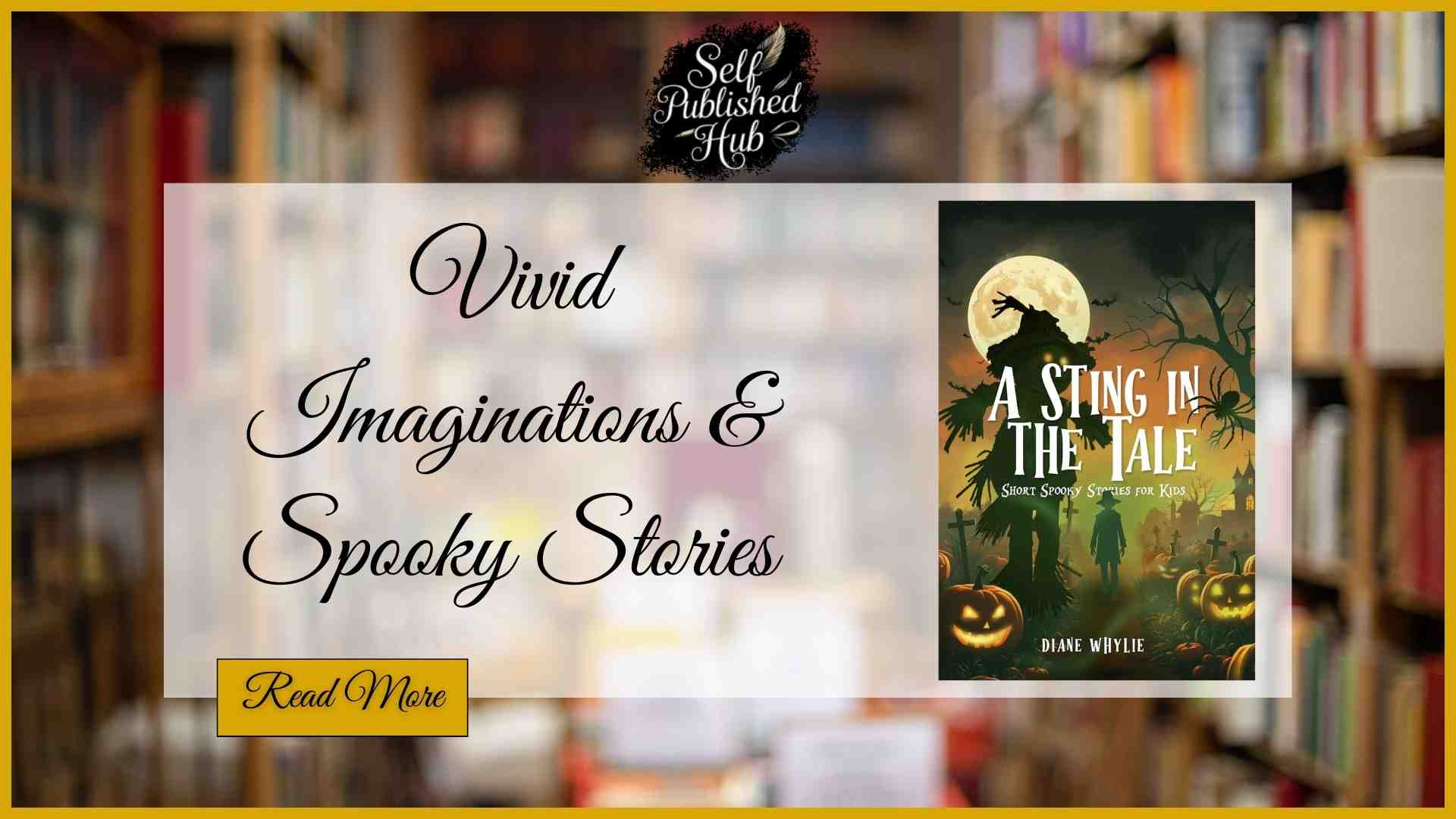
If you are looking for a similar read, these strengths are clearly reflected in A Sting in the Tale: Short Spooky Stories for Kids by Diane Whylie. This book offers a collection that celebrates imagination while guiding readers through suspenseful, thought-provoking narratives, teaching them valuable lessons while keeping them engaged as they read the different stories present in the book.
That said, imaginative stories like hers, remind children that thinking creatively has value. They plant the idea that stories are not just entertainment, but tools for understanding feelings, choices, decision-making, and consequences. Whether it’s a rainy day at home, a fun school holiday, or a magical campfire night, these tales are the perfect way to engage young readers and ignite their imaginations.
So, the next time you’re looking for a book to share during these moments, consider A Sting in the Tale by Diane Whylie. It’s a perfect fit for every spooky occasion, no matter the time of year.
Explore now, available on Amazon: https://www.amazon.com/dp/B0G36DMKNZ/