From the first time humans gathered around fires to tell tales, rituals have shaped stories. Whether it is an ancient sacrifice, a secret initiation, or a tradition carried on without question, rituals draw us in because they carry mystery and meaning. In modern Young Adult fiction, rituals continue to play a powerful role. They give readers a sense of history, create suspense, and force characters to ask hard questions about why traditions exist in the first place.
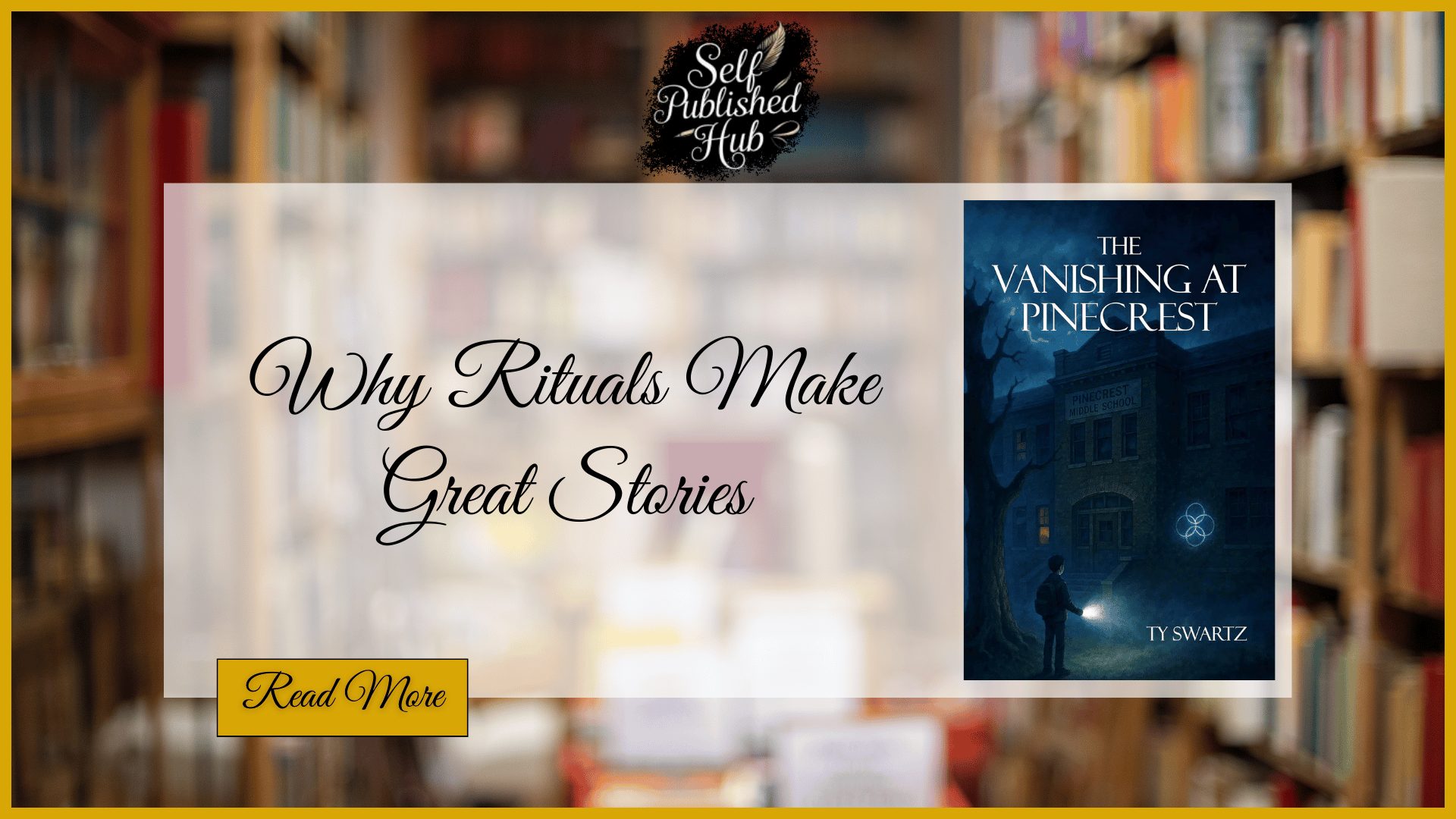
Rituals often involve repetition. Something is done the same way each time, whether once a year, once a season, or every twelve years. This repetition builds suspense because readers know the event will happen again, but not exactly how. For example, in The Vanishing at Pinecrest by Ty Swartz, four students vanish every twelve years in April. The cycle is predictable and terrifying because the outcome never changes. That pattern raises the stakes for the characters who must break it before it repeats.
Rituals come from ancient practices, and when authors bring them into modern stories, the result is a clash between old beliefs and new realities. Teen characters are especially well-suited for this conflict. They question rules, resist authority, and often notice what adults ignore. In Young Adult fiction, this means rituals can be a backdrop for young people learning to think for themselves. In this novel, Sam Rivera does not accept the ritual as something fixed. Instead, he searches for its origin and looks for a way to end it.
Rituals are built on symbols, and these add another layer of suspense to stories. A carved marking, a specific color, or a key object can signal that a ritual is at play. Readers pick up on these details, even if they do not yet understand their purpose. It keeps them engaged and guessing. Recurring symbols tied to the Scholar, Artist, Leader, and Healer archetypes guide Sam toward the truth in the novel. Each symbol feels small at first, but together they reveal the deeper meaning of the ritual.
Rituals in fiction also resonate because readers recognize them from real life. Graduation ceremonies, birthday traditions, or team chants before a game are all rituals. They may not be dangerous or mysterious, but they show how repetition and symbolism shape our lives. Young Adult stories take that sense of familiarity and add suspense by showing what happens when rituals are twisted, misused, or misunderstood.
For young readers, rituals in stories often highlight bigger themes. They raise questions about identity, tradition, and the courage to stand against what feels wrong. A ritual might be meant to protect a community, but what if the cost is too high? A character’s decision to follow or reject the ritual becomes a turning point in the story. It creates both emotional weight and narrative suspense.
Rituals make great stories because they connect the past to the present while forcing characters to challenge what has always been accepted. They create patterns readers can track, symbols they can decode, and conflicts that feel both timeless and immediate.
For readers who enjoy stories where ancient traditions collide with modern courage, The Vanishing at Pinecrest by Ty Swartz is a perfect choice. It takes the suspense of a repeating ritual and places it in the hands of a character determined to change the outcome.
This book will soon be available on Amazon. (https://www.amazon.com/dp/1969868074/)