Great strategies rarely fail at the planning stage. They fail after launch, when attention shifts and execution loses protection. Most organizations have experienced this cycle. A strategy is announced with clarity and energy. Teams align. Early actions begin. Then reviews slow down, priorities compete, and momentum begins to fade. The strategy does not collapse in a crisis. It simply disappears.
This pattern is familiar because it is structural, not accidental. The gap between strategy and execution is where most good ideas quietly die.
The Launch Gets Applause, Execution Gets Neglected
Organizations are often very good at launching a strategy. Presentations are polished. Timelines are shared. Metrics are defined. What follows is less disciplined. Meetings meant to track progress are postponed. Decisions are delayed. Adjustments are avoided. Over time, the strategy loses visibility.
A common example appears in large organizations after a transformation launch. The first quarter receives intense focus. By the second quarter, new priorities emerge. By the third quarter, the strategy is referenced but no longer reviewed. Teams learn that attention does not last, so they become cautious in their effort. The strategy fades not because it was flawed, but because execution was never guarded.
Leadership Changes Reset More Than Titles
Leadership change is one of the fastest ways to kill a strategy. When a new leader arrives, they often introduce new language, new priorities, or a revised direction. Even when the strategy remains officially in place, execution resets.
In public institutions and state enterprises, this happens repeatedly. A long-term reform is launched. Staff begin adapting. Leadership changes and the reform are paused, rebranded, or quietly shelved. Over time, teams stop investing emotionally. They comply, but they do not commit. The strategy execution gap widens with every reset.
Rhythm Breaks Before Results Do
Execution depends on rhythm. Rhythm means regular review, timely decisions, and consistent follow through. When rhythm breaks, execution weakens even if the strategy remains visible.
Manufacturing offers a clear example. A productivity strategy may be sound, but if weekly production reviews are skipped and maintenance cycles are delayed, performance drops. Logistics shows the same pattern. A port may adopt an efficiency strategy, but if daily operational decisions are inconsistent, congestion builds. In both cases, the issue is not the quality of the strategy. It is a broken rhythm.
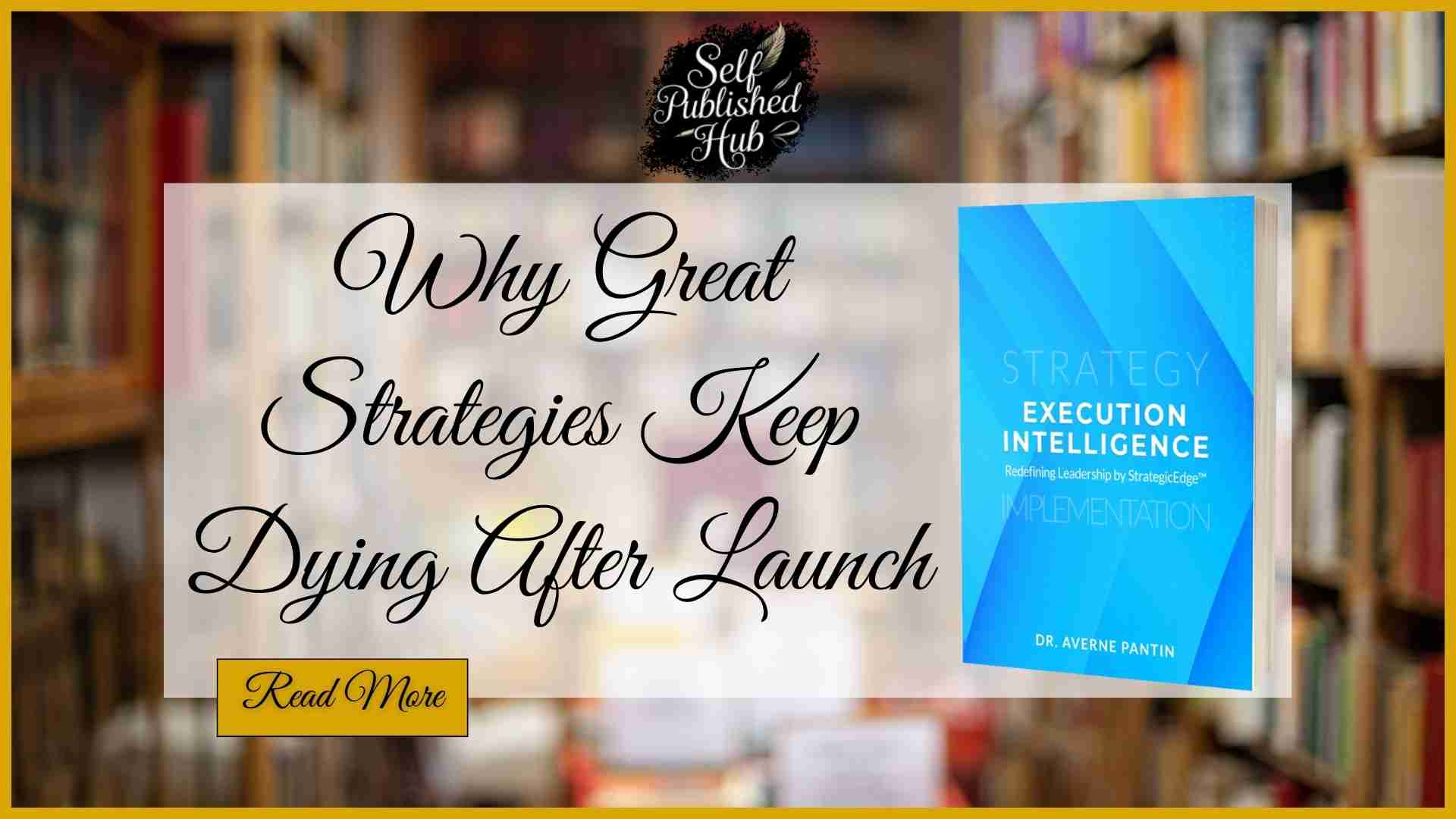
These real-world patterns are explored in Execution Intelligence: Redefining Leadership by Strategic Edge by Dr. Averne Pantin. The book offers a reader friendly exploration of why strategies fail after launch and how execution breakdown creates predictable outcomes.
When Accountability Is Unclear, Momentum Slows
Strategies also die when accountability is vague. If no one owns continuity, everyone assumes someone else will carry the work forward. Metrics are reported, but action is delayed. Over time, strategy becomes a matter of documentation rather than practice.
Dr. Pantin argues that execution requires custodianship. Leaders must act as stewards of strategy beyond launch. It means protecting cadence, limiting unnecessary resets, and ensuring that priorities remain intact during leadership change.
Why This Pattern Keeps Repeating
Great strategies often fail after launch because organizations focus more on starting than sustaining them. They celebrate intent but under invest in continuity. Execution is treated as a phase rather than a discipline.
For readers who recognize these patterns and seek a clearer understanding of why execution fails so consistently, Execution Intelligence: Redefining Leadership by Strategic Edge by Dr. Averne Pantin offers a grounded and practical perspective worth reading.
Read this book, available on Amazon: https://www.amazon.com/dp/B0G4XT49LS/.