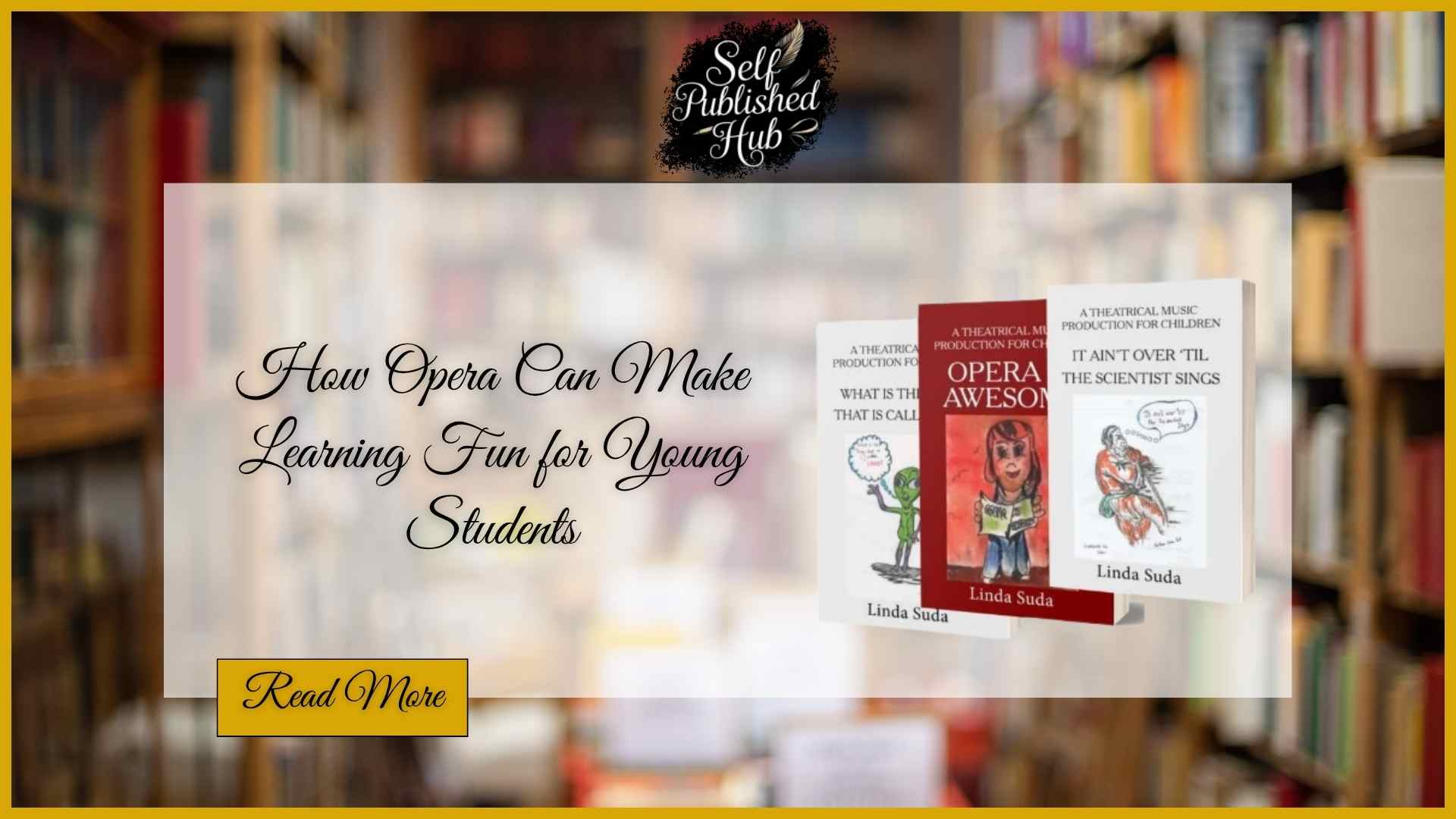
Many children encounter opera with the assumption that it is difficult to understand or only meant for adults. Linda Suda’s children’s opera productions challenge that idea by transforming opera into an engaging learning experience filled with humor, creativity, and discovery. Through imaginative storytelling, familiar themes, and interactive performances, opera becomes a way for students to explore new ideas while having fun.
In Opera Is Awesome, Linda Suda introduces young audiences to the world of opera by combining music, theatre, and education. The production follows a creative journey into the singer’s vocal apparatus, introducing students to the vocal cords, diaphragm, resonators, and articulators through entertaining characters. Instead of presenting these concepts as ordinary lessons, the opera turns learning into an adventure where children can see, hear, and experience how singing works.
This approach helps students connect with subjects that might otherwise feel complicated. When children learn through stories, characters, and music, information becomes easier to remember. Opera allows them to experience lessons emotionally as well as intellectually, creating a stronger connection between knowledge and imagination.
Opera also encourages students to become active participants in learning. Watching performers sing, act, and move across the stage shows children that education can involve creativity and expression. They learn that communication is not only about speaking or writing but also about using voice, movement, and emotion to share ideas.
Linda Suda’s productions demonstrate that classical music can be introduced to children in ways that feel approachable and exciting. Familiar elements such as comedy, storytelling, and colorful characters help remove the mystery surrounding opera. Students are able to discover that behind the beautiful music are stories, emotions, and lessons that connect to everyday life.
Beyond music education, opera can support important personal skills. Participating in a production teaches children cooperation, confidence, focus, and responsibility. Each performer contributes to the success of the whole group, helping students understand the value of teamwork and commitment.
Opera can also inspire curiosity across different subjects. In It Ain’t Over ’Til the Scientist Sings, students discover how creativity influences both artistic expression and scientific achievement. By exploring the lives of remarkable thinkers, the production encourages children to recognize that imagination plays an important role in innovation.
Linda Suda’s children’s operas show that learning does not have to be limited to textbooks and traditional classrooms. A stage can become a place where students explore history, science, language, music, and human experiences all at once.
When children experience opera in an engaging and thoughtful way, they do more than listen to music. They discover new possibilities, develop confidence, and learn that education can be exciting, creative, and inspiring.