Children respond better to gentle visual cues than verbal warnings because visual signals feel supportive rather than confrontational. Young children are still developing the ability to process language quickly, especially during moments of heightened emotion or distraction. When adults rely heavily on verbal warnings, children may feel overwhelmed, defensive, or confused. Gentle visual cues, on the other hand, communicate expectations calmly and clearly without escalating tension.
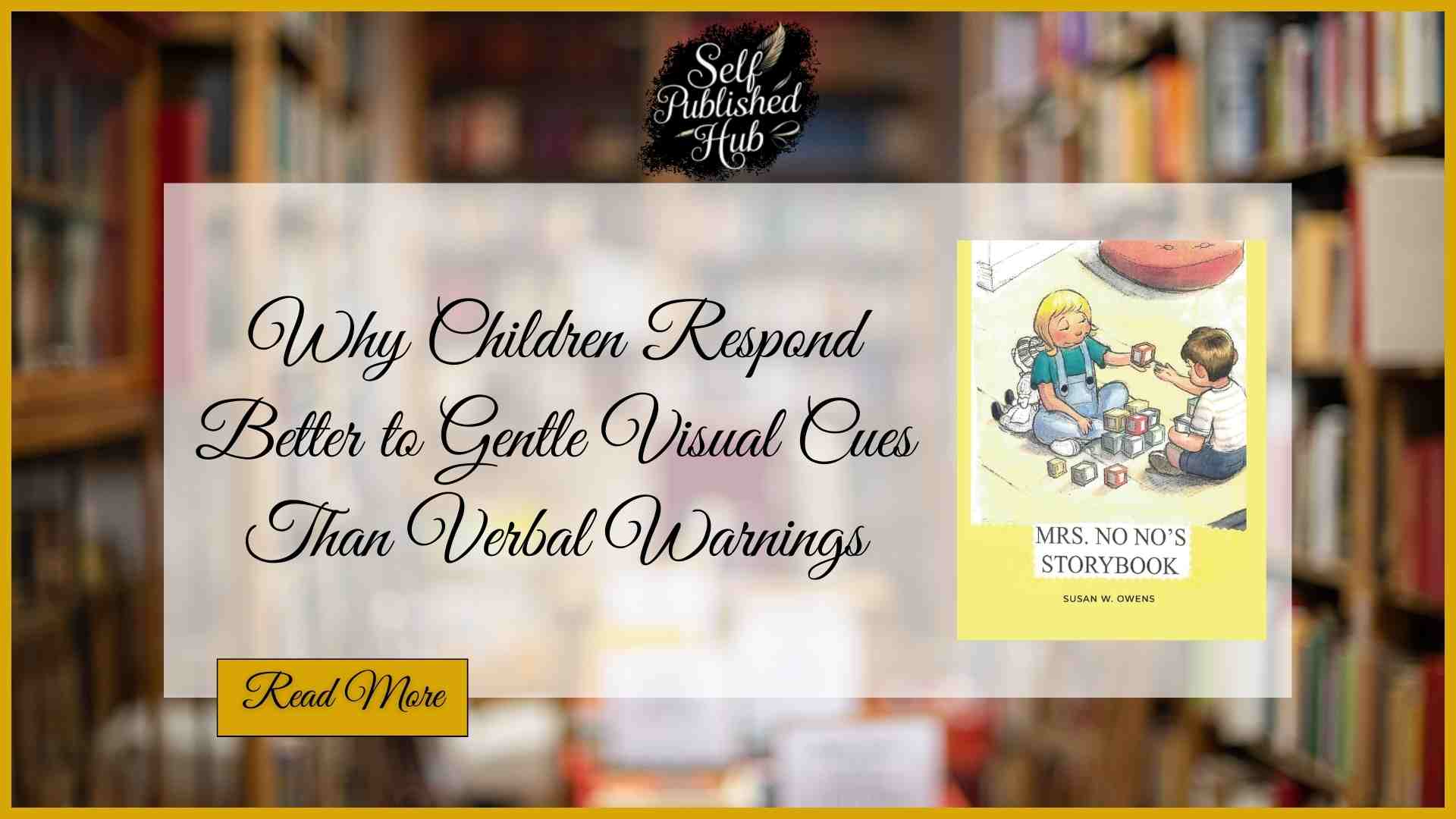
In Mrs. No No’s Storybook by Susan W. Owens, the character of Mrs. No No functions as a visual reminder rather than a verbal reprimand. This approach mirrors how children naturally learn. Visual information is processed faster than spoken language, especially for young learners. When a child sees a familiar symbol connected to making good choices, the message is immediate and easier to understand. There is no need to interpret tone or complex instructions. The cue simply invites the child to pause and reflect.
Verbal warnings often carry emotional weight. Even when spoken calmly, repeated reminders can feel like criticism to a child. This can trigger resistance or emotional shutdown. Children may focus more on the adult’s tone than on the behavior being addressed. Gentle visual cues avoid this problem by removing the emotional charge. They allow the child to recognize the expectation independently, which preserves dignity and emotional safety.
Visual cues also support self-regulation. Instead of being told what to do, children are given space to make the decision themselves. This is a critical distinction. When children correct their own behavior, they are more likely to internalize the lesson. Mrs. No No’s presence encourages children to think about their actions and choose a better response. Over time, this builds an internal sense of right and wrong rather than reliance on constant verbal correction.
Another reason children respond better to visual cues is consistency. Words can change depending on the adult’s mood, energy level, or situation. Visual cues remain stable. Mrs. No No always represents the same message. Do the right thing. This consistency helps children feel secure because expectations do not feel unpredictable. When children know what a visual cue means, they can respond without anxiety.
Visual cues are also inclusive. Not all children process verbal language at the same pace or in the same way. Some children struggle with auditory processing, attention, or emotional regulation. Gentle visual reminders provide an accessible way for all children to understand expectations. They reduce the cognitive load required to respond appropriately, which is especially important during busy classroom or home environments.
In Mrs. No No’s Storybook by Susan W. Owens, the visual presence of Mrs. No No is associated with comfort, guidance, and reassurance. This positive association is key. Children are more receptive to cues that feel safe. When a visual symbol is linked to calm moments and positive outcomes, children are more likely to respond willingly. The cue becomes a trusted guide rather than a warning sign.
Verbal warnings often focus on what not to do. Visual cues gently redirect attention toward what should be done instead. This subtle shift has a powerful effect. Children feel guided rather than corrected. They are encouraged to succeed rather than reminded of failure. This builds confidence and strengthens the child’s relationship with authority figures.
Gentle visual cues also reduce power struggles. When adults repeat verbal warnings, interactions can quickly turn into confrontations. Visual cues bypass this dynamic. They remove the need for back and forth exchanges and allow the child to regain control of the situation. This promotes cooperation and mutual respect.
Ultimately, children respond better to gentle visual cues because these cues align with how children learn, feel, and grow. They foster reflection instead of reaction. They support emotional safety and self awareness. Mrs. No No’s Storybook by Susan W. Owens demonstrates how a simple visual reminder can shape behavior in a lasting and meaningful way. By choosing gentle visual cues over verbal warnings, adults help children build internal guidance that stays with them long after the moment has passed.
Book Link: https://www.amazon.com/dp/B0FPPJX6DR