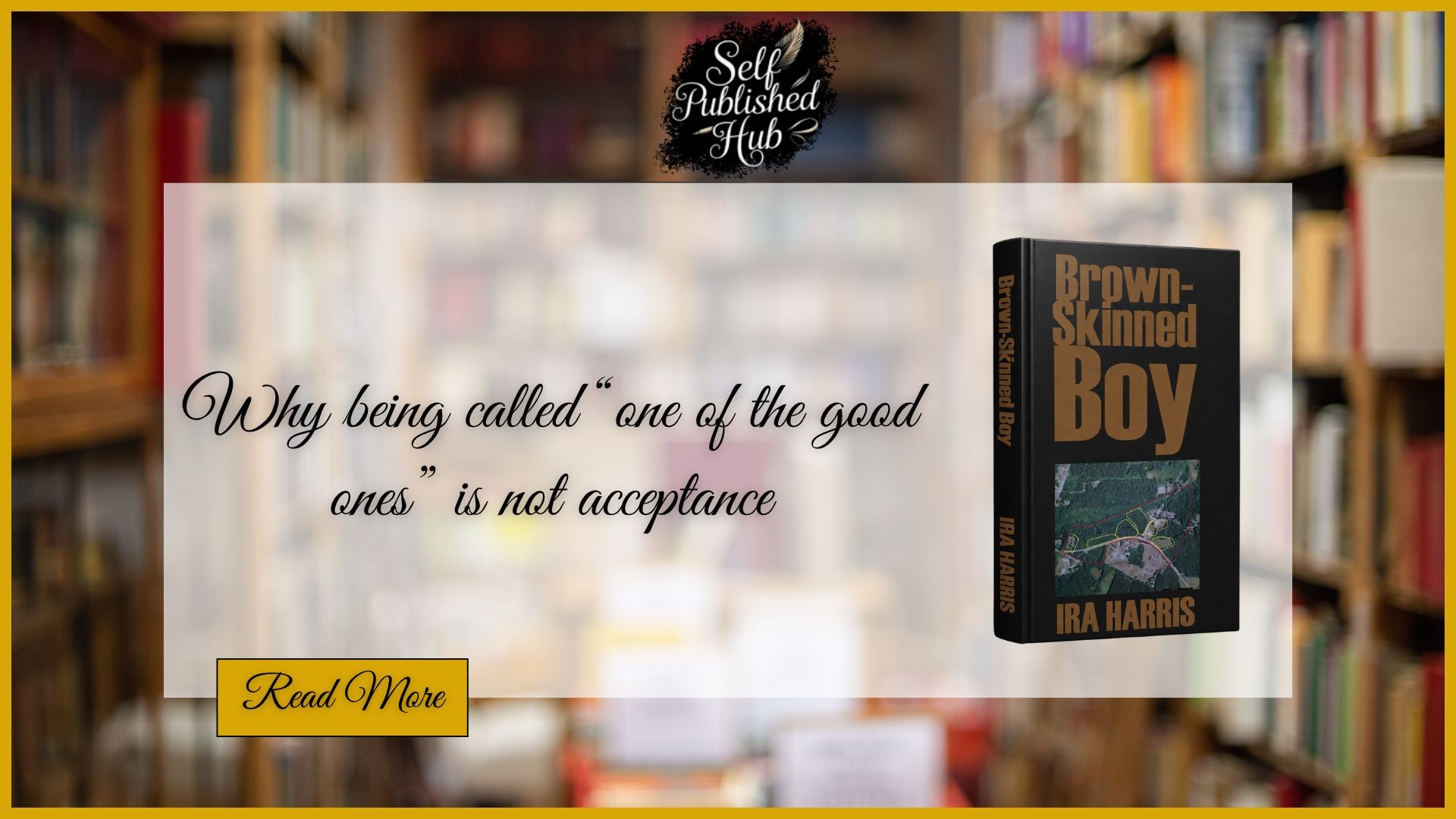
Being called “one of the good ones” may sound like praise. But good compared with whom? The phrase offers approval to one person while leaving a judgment about everyone who shares their identity untouched. It raises an uncomfortable question: are you being accepted, or merely treated as an exception?
In Brown-Skinned Boy, that distinction becomes a matter of safety rather than wording. At Franklin High, a Black student who has endured racial abuse begins hearing the label from white classmates and teachers. Their treatment improves, but the stereotypes behind their approval remain.
For Ira Harris, going along with the description brings relief and discomfort. After repeated attacks, being considered nonthreatening seems a way to avoid further harm. He also becomes a mediator between newly arriving Black students and the rest of the school. People who once despised him now hold him up as an example.
It would be unfair to mistake his compliance for agreement. He is not freely choosing a label he likes; he is trying to live through the school day. The burden falls on him to manage other people’s perceptions, while their assumptions about Black students remain largely unchallenged.
The experience invites a closer look at what praise rewards. Does it recognize someone’s character, or reward them for appearing unlike a supposedly inferior group? Genuine appreciation needs no racial exception. Describing a person as thoughtful or dependable is different from suggesting that those qualities are surprising in someone like them. The issue is not simply awkward wording. It is who gets to set the conditions of belonging, and who must keep meeting them.
After a school riot, the limits of this approval become painfully clear in Brown-Skinned Boy. Another Black student, Adam, is arrested despite the account describing him as having done nothing wrong. Suspicion then falls on his peers. The boy who was supposedly an exception must once again prove himself harmless. Individual approval has not displaced collective blame.
A different kind of recognition appears in Ira Harris’s family life. His sister shares books; his grandmother cups his face and tells him she is proud of him. These gestures remind him that he is more than the humiliating descriptions imposed on him. Here, being valued does not depend on being considered an exception to a racial stereotype.
For educators, colleagues and anyone reflecting on their own language, the practical lesson is to question the comparison hidden inside a compliment. Praise the person without putting down their community. Notice, too, whether respect survives disagreement, visible distress or a refusal to stay quiet. A useful test is whether the same patience and fairness extend to people who have not earned the speaker’s special approval.
Acceptance should not require someone to become reassuring enough to escape prejudice. It should mean that their dignity is not up for reconsideration whenever they stop fitting someone else’s preferred version of who they should be.
Discover the Story Behind the Label
What happens when acceptance depends on fitting someone else’s idea of who you should be? In Brown-Skinned Boy, Ira Harris shares a deeply personal journey through racism, identity, family, and the struggle to preserve dignity in a world determined to define him.
Explore Brown-Skinned Boy by Ira Harris and discover the human story behind the struggle to be seen for who you truly are.
Get Your Copy Today on Amazon:
https://www.amazon.com/dp/B0BZFZZ219