Every classroom reflects a miniature version of the world. It is a space filled with diverse personalities, cultures, and learning styles, welcoming children of various races, cultures, and languages. When children feel accepted and valued, they become more enthusiastic to go to school and also grow into confident learners who respect others. Therefore, creating an inclusive classroom is not just about fairness. It is about fostering a community where everyone feels they belong.
If you want to build an inclusive classroom, here are ten practical tips to achieve that.
1. Start with a Warm Welcome
Begin each day with a friendly greeting for every child. A smile and a “good morning” can make students feel seen and ready to learn.
2. Learn Every Child’s Story
Take time to understand your students’ backgrounds, interests, and challenges. This allows you to relate lessons to their experiences and make each student feel valued.
3. Use Books that Reflect Diversity
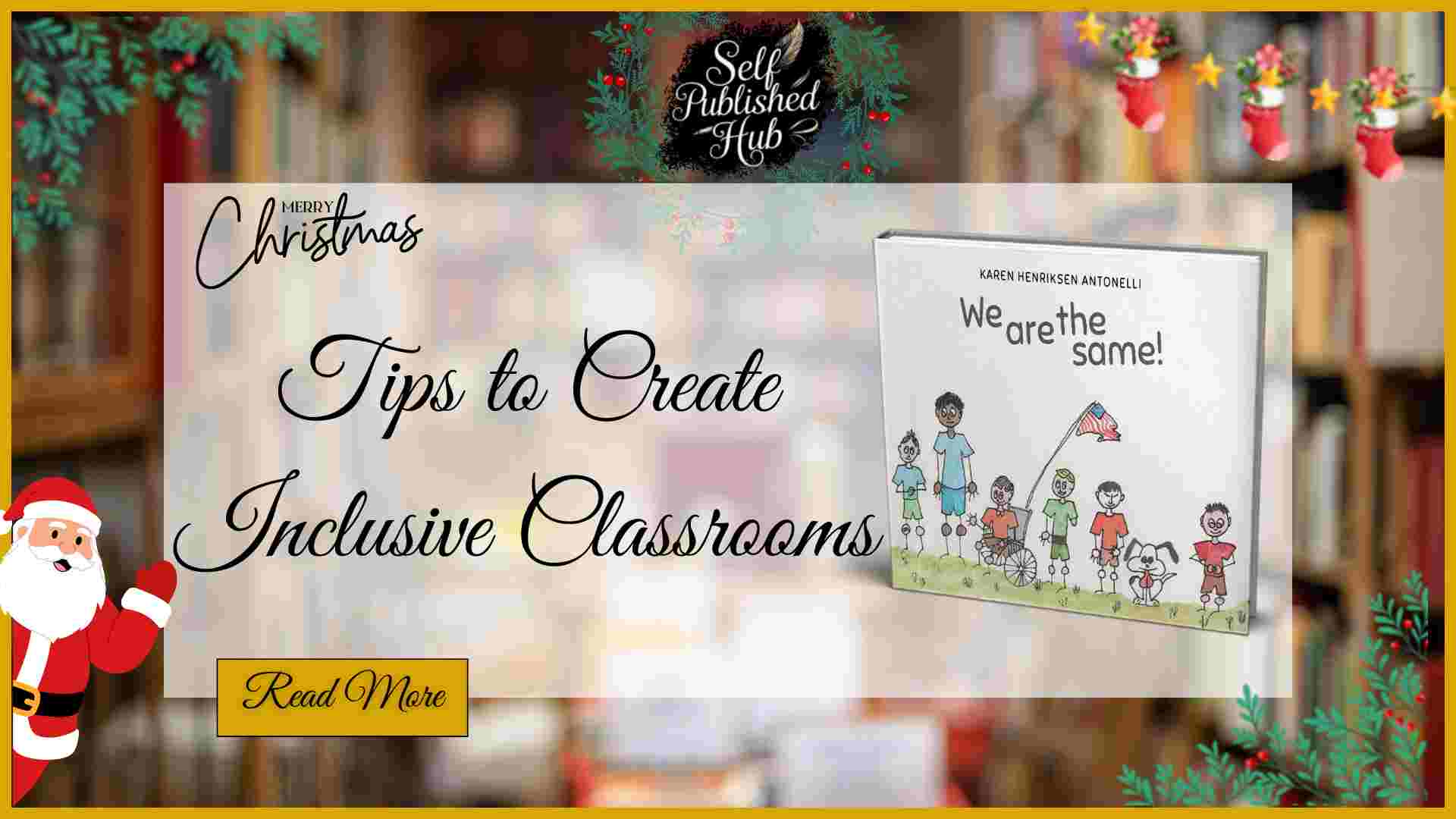
Reading stories that include different races, abilities, and family types helps children understand that everyone has a place in the world. A perfect example is We are the Same! by Karen Henriksen Antonelli, which uses simple words and playful drawings to show that, despite our differences, we share more in common than we think.
4. Encourage Team Activities
Group projects and pair work allow children to practice cooperation. Rotate partners often so that every student interacts with someone new.
5. Celebrate Differences
Host culture days or sharing sessions where students can talk about their traditions, foods, or holidays. This teaches pride and respect at the same time.
6. Create a Kindness Wall
Dedicate a space in the classroom for children to write or draw kind acts they witnessed. It turns empathy into a visible, shared goal.
7. Model Inclusive Language
Use words that value everyone. Instead of saying “boys and girls,” try “students” or “friends.” Children learn inclusion by hearing it daily.
8. Provide Equal Opportunities to Shine
Every child learns differently. Offer various ways to express understanding—art, discussion, movement, or writing—so all can succeed.
9. Address Exclusion Immediately
If a child is left out, step in with care. Help the group talk about feelings and find ways to include everyone again. Early correction builds lifelong awareness.
10. Reinforce Through Storytime
Use books like We Are the Same! regularly to remind students that acceptance is the foundation of unity. Its straightforward language makes it perfect for preschool and early-elementary classrooms. After reading, discuss the message and ask students how they can implement it at school.
An inclusive classroom does not happen overnight. It grows from daily habits of empathy and cooperation. When children read stories that highlight equality, work together on projects, and celebrate who they are, they learn that kindness is not an extra subject—it is part of every lesson.
By following these tips and good resources like We Are Same!, educators and caregivers can help every child feel that they belong and are a part of a larger narrative, building a better world for everyone.
About the Book:
We are the Same! by Karen Henriksen Antonelli is a joyful and engaging children’s picture book that celebrates what connects us all. Through simple, repetitive language and playful stick-figure illustrations, the book helps children ages 3–7 discover that while everyone may have different likes, interests, or ideas, we share the same hearts, hopes, and laughter. From loving different ice cream flavors to playing different games, each page reminds young readers that kindness and friendship can grow anywhere. Designed to support early literacy and social-emotional learning,
We are the Same! gently teaches equality, belonging, and acceptance in a way children can easily understand. It’s the perfect read-aloud for parents, teachers, and caregivers who want to nurture empathy and joy in every child’s world.