Every practitioner reaches a point where they must decide who they want to become on the mat. Some choose to become precise technicians who rely on structure and strategy. Others prefer to embrace a warrior spirit built on pressure, grit, and determination. Both paths have value, but understanding the difference between them reveals how Brazilian Jiu-Jitsu continues to evolve. It also demonstrates why Carlson Gracie’s influence continues to be so significant in shaping the modern warrior style.
These two approaches reflect different philosophies within the same art. Helio Gracie emphasized technique above all else. His ideas centered on efficiency, leveraging resources, and countering larger opponents. Carlson Gracie respected those principles, but he introduced a more aggressive approach. His style pushed students to attack, apply pressure, and take control through forward movement. Both perspectives shaped Brazilian Jiu-Jitsu, but the contrast between them teaches powerful lessons for today’s practitioners.
What Defines a Technician in Brazilian Jiu-Jitsu
A technician is someone who builds their game on precision. They value timing, posture, angles, and small adjustments. Technicians study how to move their hips correctly, maintain balance in guard, and apply submissions with minimal force. Their roles often look smooth and efficient.
For example, a technician passing guard may stay low, maintain perfect posture, and wait for the right opening before advancing. Their approach is controlled and steady. They focus on solving problems step by step rather than exploding through positions.
This style creates strong fundamentals and a deep understanding of technique. It is a reliable way to build long-term skills.
What Defines a Warrior in Brazilian Jiu-Jitsu
A warrior relies on pressure and intensity. They move forward with purpose, forcing reactions from the opponent. Rather than waiting for openings, they create them through constant engagement. Carlson Gracie championed this mindset. He believed that fighters should learn to apply pressure, stay active, and develop the physical and mental strength necessary for real combat.
For example, a warrior passing guard may drive their shoulder into the opponent, control the hips with force, and push forward until they break through. Their approach is stronger and more demanding, but highly effective in competitive settings.
This style cultivates mental toughness and the ability to persevere in the face of challenging situations.
Finding Balance Between Both Styles
The truth is that most great practitioners blend aspects of both the technician and the warrior. They use precision to set up strong positions and intensity to secure them. The technician’s control supports the warrior’s pressure, while the warrior’s mindset gives the technician’s technique real power on the mat.
Practitioners who understand this balance develop a complete game. They know when to slow down and when to push forward. They know when to wait for the right angle and when to break through with determination.
Understanding the difference between these styles helps students recognize their strengths and weaknesses. It also encourages them to expand into new areas. Those who rely too much on technique may need to develop more intensity. Those who rely too much on aggression may need to refine their precision.
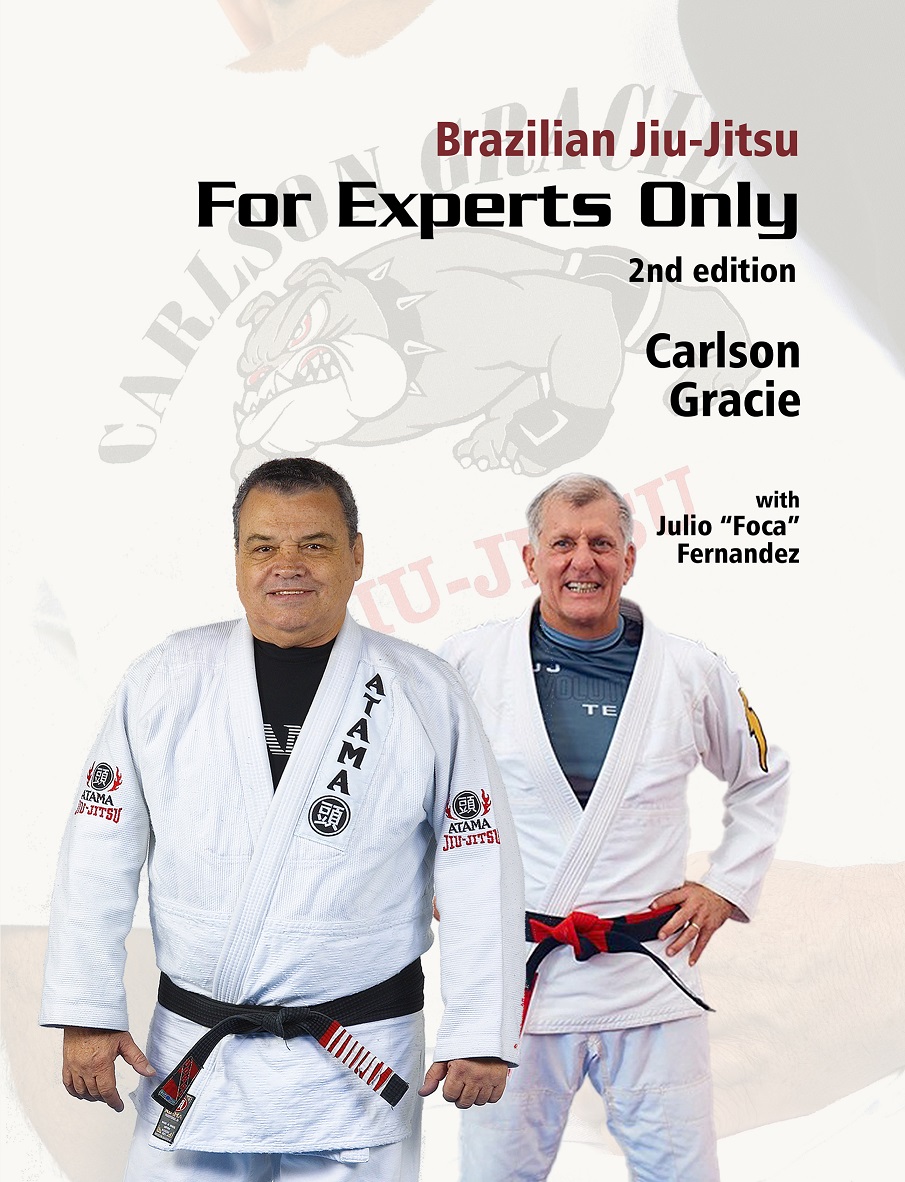
For readers who want to explore the warrior style through advanced techniques and real-world experience, Brazilian Jiu-Jitsu For Experts Only, by Carlson Gracie and Julio Foca Fernandez, offers a powerful look into the mindset that has shaped many champions.