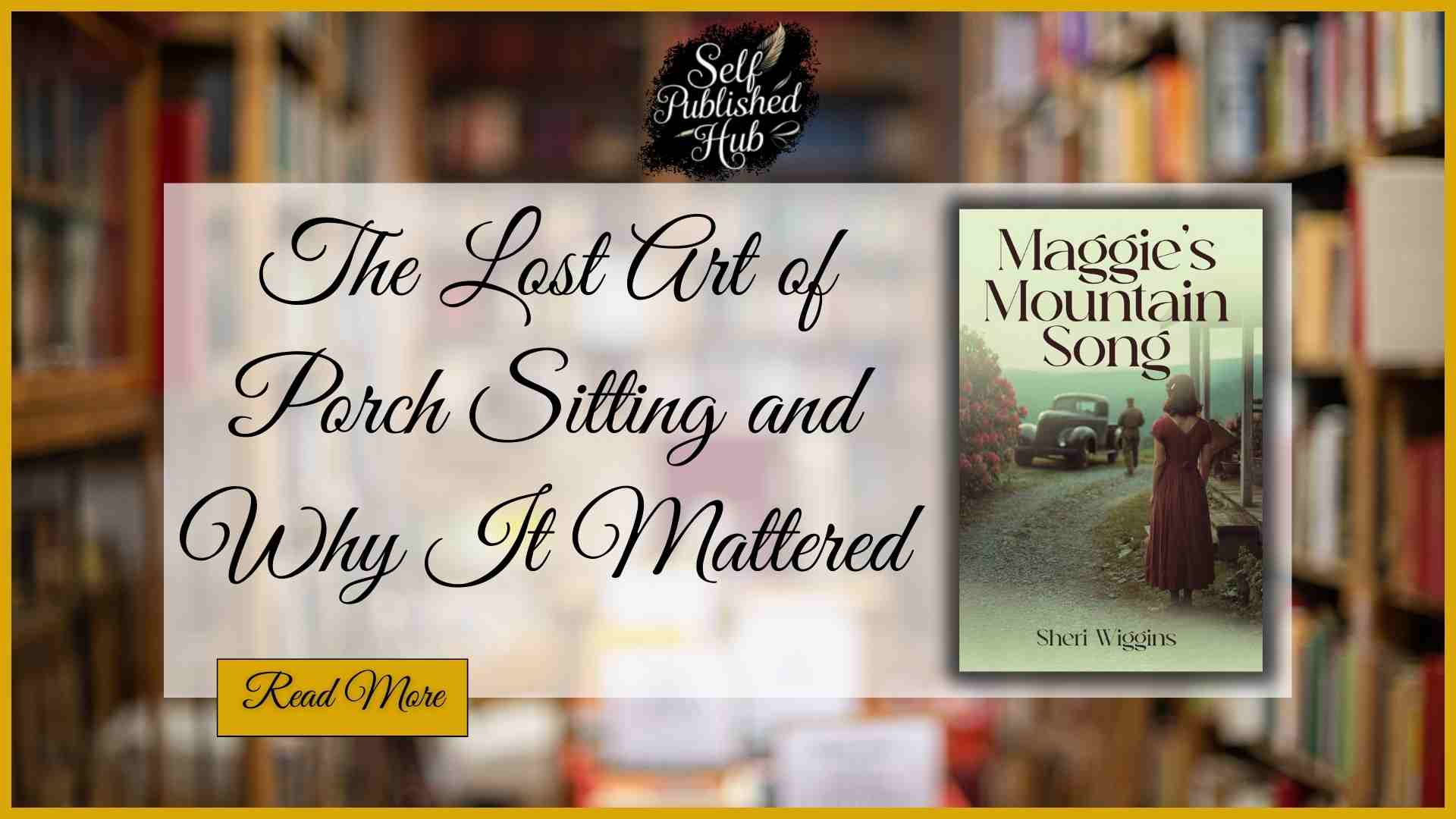
There was a time when connection did not require an invitation, a screen, or a schedule. It simply required a porch, a chair, and the willingness to sit awhile. In the Appalachian Mountains of the early 20th century, porch sitting was more than a pastime. It was the heartbeat of community life. This quiet tradition is beautifully captured in Maggie’s Mountain Song by Sheri Wiggins, where front porches become places of conversation, comfort, and shared humanity.
Porches served as the gathering place between private homes and the wider world. They were where neighbors stopped without knocking, where children listened to elders talk, and where stories passed from one generation to the next. In Maggie’s world, sitting on a porch meant being present. It meant noticing who was passing by, who needed help, and who might stay awhile to talk. These moments built trust and familiarity, strengthening the entire community.
Conversation on the porch was unhurried and meaningful. People talked about crops, weather, family joys, and sorrows. They shared news, memories, and wisdom earned through hardship. In Maggie’s Mountain Song, these conversations reflect a culture where listening mattered as much as speaking. Elders taught lessons through stories rather than lectures, and children learned values by hearing them lived out in everyday talk.
Porch sitting also created space for belonging. In rural Appalachia, isolation can be dangerous, especially during severe winters or when illness strikes. The porch allowed people to check on one another without intrusion. A light in the evening, a familiar figure rocking in a chair, or a friendly greeting offered reassurance that no one was truly alone. Maggie’s memories show how these simple interactions formed an unspoken safety net woven through the community.
This tradition played a vital role in preserving identity. Appalachian culture relied heavily on oral storytelling, and porches were where these stories lived. Family histories, folk tales, and lessons about faith and resilience were passed down not through books but through voices carried on the evening air. In the book, Maggie’s voice echoes this tradition, reminding readers that memory survives when it is shared.
Porch sitting also slowed life down. It created pauses in days filled with physical labor and responsibility. Farming families worked from sunrise to sunset, yet they still made time to sit together at the end of the day. These moments allowed people to rest not just their bodies, but their spirits. In Maggie’s world, slowing down was not wasted time. It was a necessary time.
In modern life, constant busyness has replaced these quiet rituals. Screens have taken the place of conversation, and speed has replaced presence. Maggie’s Mountain Song gently reminds readers of what has been lost. It shows how the community once thrived through shared space, shared time, and genuine attention.
This novel is a heartfelt tribute to a way of life rooted in connection and care. For readers longing to rediscover the value of community and meaningful conversation, Maggie’s Mountain Songby Sheri Wiggins offers both comfort and reflection. Reading this book is an invitation to sit awhile, listen closely, and remember why porch sitting mattered so deeply.
Maggie’s Mountain Song by Sheri Wiggins Get Your Copy On Amazon Today: https://www.amazon.com/dp/1971228125/