Every flight that takes off carries more than passengers and luggage. It carries the weight of decades of economic decisions, government policies, and business gambles. Behind the romance of air travel lies a story of competition, regulation, and financial risk that shaped the course of British aviation. From the rise of national airlines after World War II to the challenges of privatization and global competition, the business of flying has always been as turbulent as the skies themselves.
In the years following the war, Britain faced the monumental task of rebuilding its economy and infrastructure. Aviation was seen as both a symbol of progress and a strategic national asset. The government took charge, creating state-owned carriers such as “British Overseas Airways”, “Corporation” (BOAC), and “British European Airways” (BEA). These airlines reflected a new sense of national pride, showcasing British aircraft like the Vickers Viscount and de Havilland Comet to the world. For a time, it seemed as if Britain would lead the global aviation industry.
But success in the skies required more than innovation. It demanded stability in an environment that was changing fast. Government involvement brought security, but it also meant bureaucracy and political influence. National interests rather than market needs often influenced decisions regarding routes, aircraft purchases, and competition. As a result, British aviation companies sometimes produced aircraft which struggled to compete with more flexible and commercially driven rivals in the United States and Europe.
By the 1970s and 1980s, the situation had reached a crossroads. The oil crisis, rising costs, and global competition compelled Britain to reassess its approach to managing the air industry. The government began to loosen its grip, allowing the market to play a larger role. The eventual merger of BOAC and BEA into British Airways in 1974 marked a turning point. When British Airways was later privatized in 1987, it became a more effective presence in a new era of competition and efficiency. However, this transition was far from smooth. Thousands of jobs were affected, and debates over public versus private control of air travel continued for years.
The manufacturing side of aviation faced similar struggles. Once-vibrant companies like de Havilland, Handley Page and Vickers disappeared or were absorbed into larger conglomerates. Economic pressures and policy decisions reshaped the landscape, leaving Rolls-Royce and BAE Systems as the only remaining aero-space giants. The turbulence behind these shifts mirrored the broader changes in Britain’s post-war economy, an evolution from state-led industry to market-driven globalization.
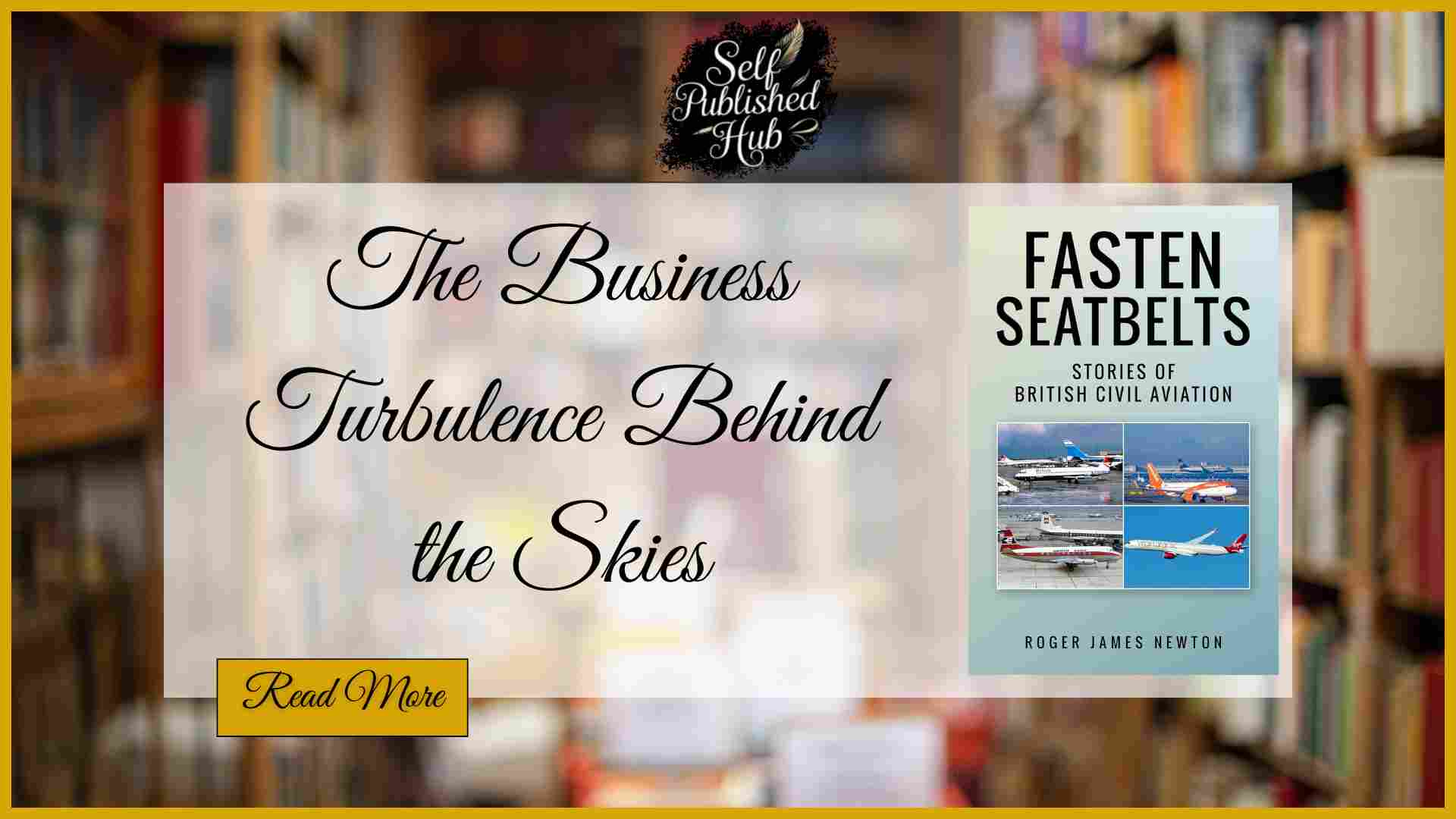
In his book Fasten Seatbelts – Stories of British Civil Aviation, author Roger James Newton examines this hidden side of aviation with remarkable clarity. He reveals how political decisions and economic strategies determined which companies thrived and which disappeared from the skies. Also how post-war aviation entrepreneurs like Sir Freddie:Laker and Sir Adam Thomson took brave decisions in order to make air travel more available to the British general public. Newton’s exploration shows that the story of aviation is not just about aircraft and innovation, but also about leadership, resilience, and the constant balancing act between public interest and profit.
Readers who wish to understand how politics and economics shaped the very wings of Britain’s aviation legacy will find Fasten Seatbelts – Stories of British Civil Aviation a compelling and insightful journey through the business side of flight.
Grab your copies now from Amazon: https://www.amazon.com/dp/1969644400.