Populism has become one of the most defining political forces of the 21st century, reshaping democracies worldwide. From the election of Donald Trump in the United States to the Brexit referendum in the United Kingdom, and the rise of nationalist movements in Europe and beyond, populism is challenging the political order in ways few could have predicted. But what exactly is driving this shift, and what does it mean for the future of global politics?
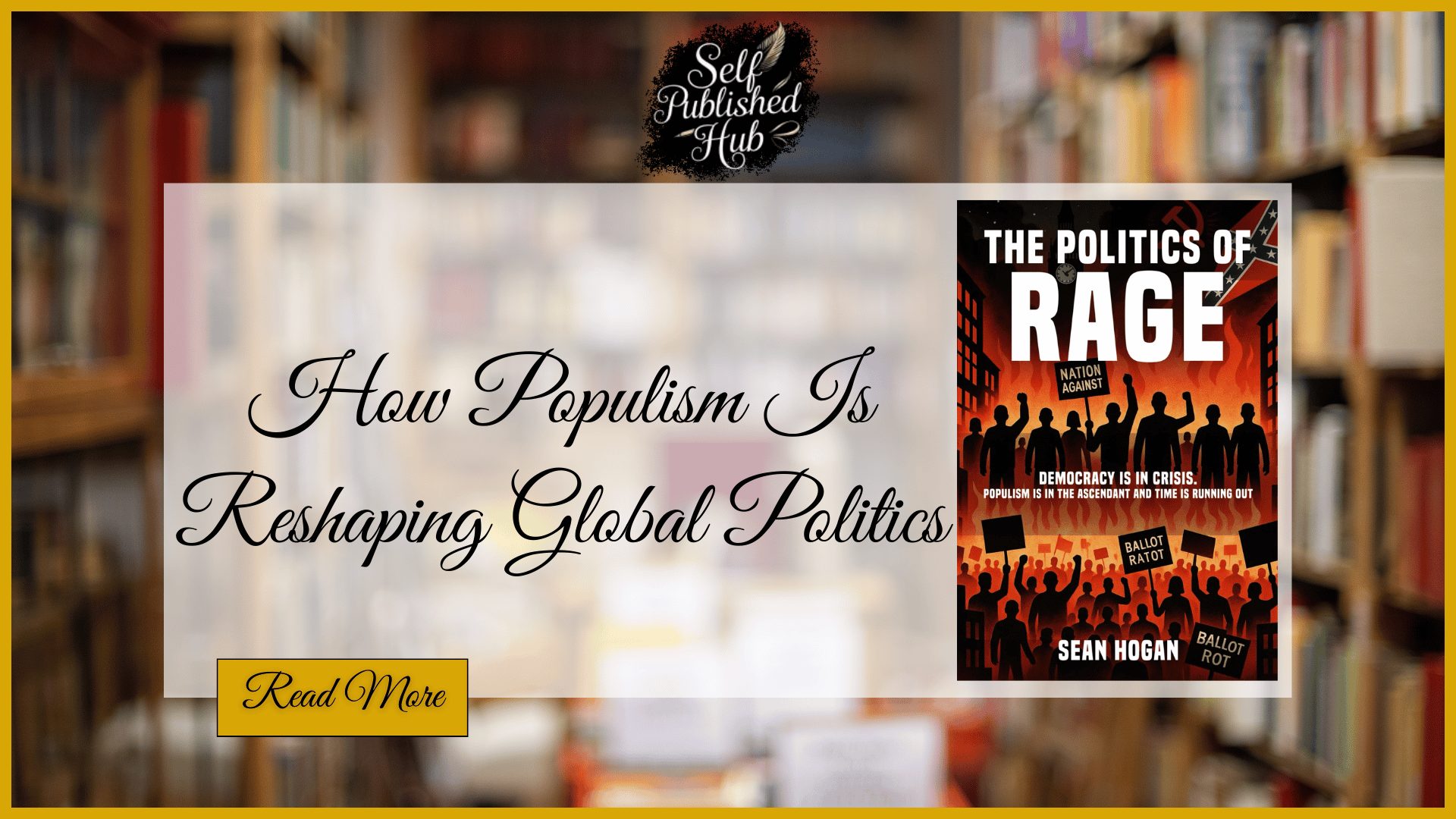
In The Politics of Rage, Sean Hogan provides a comprehensive look at how populist movements have risen to power by capitalizing on economic discontent, cultural anxieties, and a deep sense of political betrayal.
The Brexit Vote: A Snapshot of Populist Sentiment
The Brexit referendum is a prime example of how populism has reshaped global politics. In 2016, the United Kingdom voted to leave the European Union, a decision fueled by fears over national sovereignty, immigration, and economic stagnation. Populist leaders, such as Nigel Farage of UKIP and Boris Johnson of the Conservative Party, capitalized on a growing sense of frustration with the EU, portraying it as a bureaucratic institution that imposed foreign values and regulations on the British people. This sentiment of “Taking Back Control” resonated deeply with voters, particularly in post-industrial areas that felt left behind by globalization.
Hogan’s analysis in The Politics of Rage emphasizes how these populist movements often exploit economic inequality, using it as a tool to create divisions between “The People” and “The Elites.” In the case of Brexit, many voters in working-class areas saw the EU as a symbol of the elite, out-of-touch establishment. Brexit was not just a political decision; it was a cultural rebellion against the forces of globalization, representing a powerful challenge to the established political order.
Trump’s Election: A Populist Surge in America
Across the Atlantic, the rise of Donald Trump further illustrated the power of populism in reshaping global politics. Trump’s election in 2016 was marked by his appeal to disillusioned voters in the American heartland, particularly in the Rust Belt. His message of economic nationalism, coupled with his attacks on the political establishment and the media, resonated with voters who felt alienated by years of economic decline, outsourcing, and a growing immigrant population.
Trump’s populist rhetoric, much like that of Brexit leaders, centered on the idea of restoring power to the people. He portrayed himself as an outsider who would fight for the working class against the corrupt elite. According to Hogan, populism thrives in such an environment because it gives voice to citizens who feel betrayed by traditional political systems, often using fear and anger as motivators for action.
Global Populist Movements: The Wider Trend
Trump and Brexit were not isolated events. Across Europe, populist leaders have risen to prominence, often by exploiting similar economic and cultural fears. In Hungary, Viktor Orbán’s government has built a platform on nationalism and anti-immigration rhetoric. Marine Le Pen’s National Rally in France has capitalized on similar issues, tapping into concerns over immigration and national identity. These movements, although different in context, share a common thread: they exploit the anger of citizens who feel disconnected from the political elite and economically disenfranchised.
Hogan’s The Politics of Rage connects these movements, showing how populist leaders have successfully framed the political discourse to focus on fear and nostalgia, often appealing to the idea of a “Better Time” that can be restored. This narrative resonates deeply with voters who feel left behind by globalization and technological change.
What’s Next for Global Politics?
As Hogan suggests, populism’s influence is only likely to grow as the economic and cultural divides deepen. The question is whether traditional political systems can adapt to the challenges posed by these movements.
To understand how populism is reshaping global politics and the forces driving this change, Sean Hogan’s The Politics of Rage offers critical insights into this growing phenomenon. Hogan’s analysis is essential for anyone looking to understand the future of democracy in an age of rage.
Read this book now, available on Amazon: https://www.amazon.com/dp/B0FHBDWJD4/.