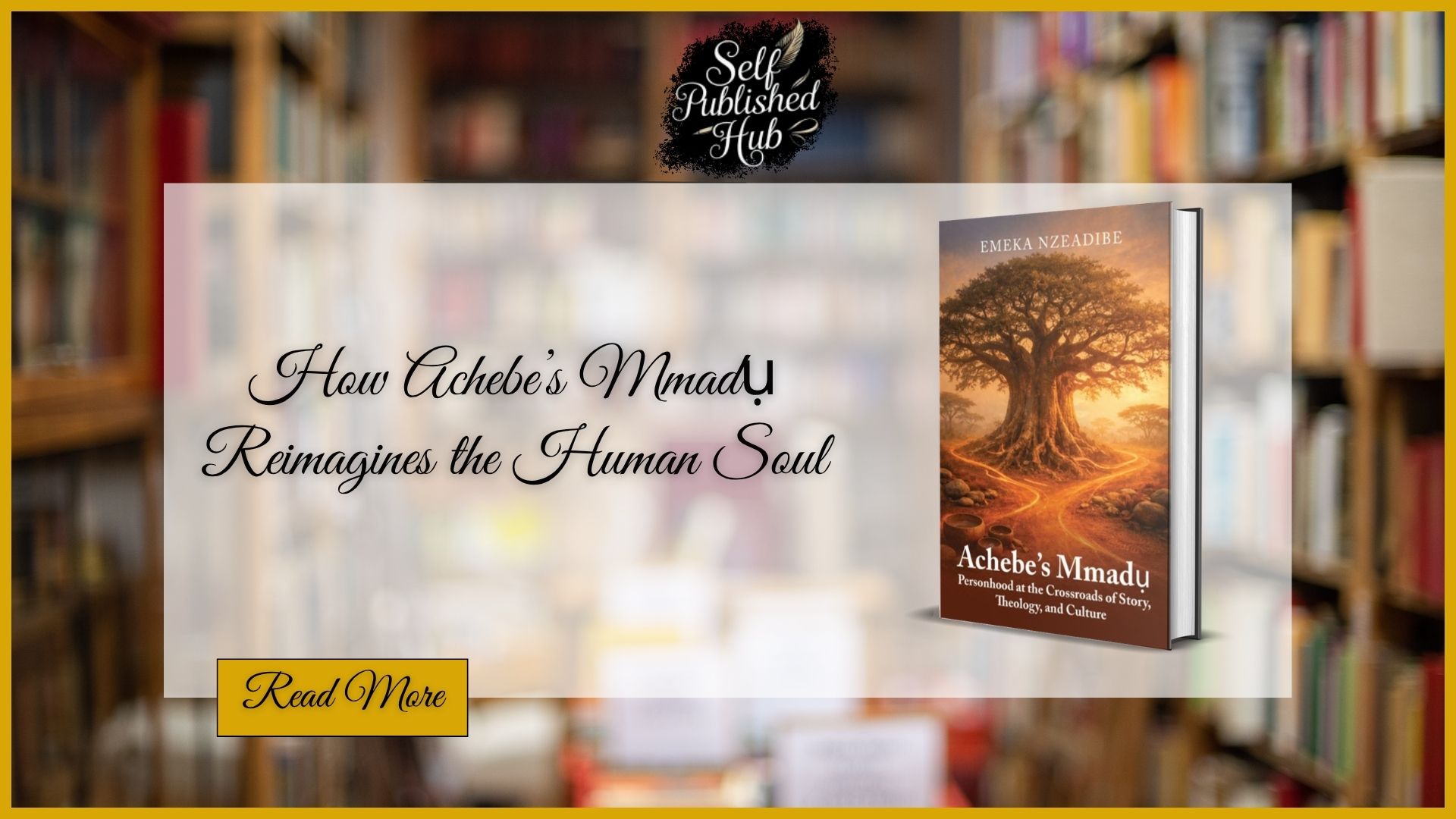
In an era dominated by hyper-individualism and secularized psychological frameworks, modern philosophy is used to treat the human self as a self-contained, autonomous unit, as if we are in autopilot mode. For instance, we speak of identity as an isolated internal achievement, detached from communal webs and transcendent frameworks. But what happens when we step outside the traditional borders of Eurocentric thought? Looks like Emeka Nzeadibe’s profound monograph, Achebe’s Mmadụ: Personhood at the Crossroads of Story, Theology, and Culture, is here to challenge our intellectual comfort zones. By examining the fiction of Chinua Achebe through different works, including Things Fall Apart and Arrow of God, this study is able to present the Igbo cosmology as an intellectual journey that redefines what it means to be human.
Unpacking Mmadụ
This book discusses Nzeadibe’s analysis of the Igbo concept of Mmadụ, a rich term denoting the human person, consciousness, and subjectivity. Rather than viewing human beings through cold biological metrics or isolated mental states, Igbo philosophy roots personhood in embodied relationality. As the enduring Igbo proverb highlighted throughout the book captures—Ife kwụlụ, ife akwụdebe ya (“Where something stands, something else stands beside it”)—nothing in the universe exists in absolute isolation.
The book traces how characters like Okonkwo and Ezeulu struggle against or conform to this deeply relational matrix. Okonkwo’s tragic downfall in Things Fall Apart is carefully analyzed not merely as a personal failure but as the consequence of an extremist disruption of communal harmony and an absolute rejection of the balancing female principles within his culture. Nzeadibe uses these powerful literary narratives to show that true personhood (Mmadụ) is achieved through moral participation, community recognition, and deep relational responsibility.
Imago Dei and African Wisdom
Rather than treating African cosmology as a historical relic, Nzeadibe places Igbo concepts of Mmadụ and Chi (the personal spiritual guide) into a respectful dialogue with Western theologians and philosophers like Catherine LaCugna, John Zizioulas, and Robert Spaemann. It explores striking resonances between the Christian doctrine of the imago Dei (image of God) and the Igbo understanding of humanity as inherently relational and sacred. It also introduces concepts like Ụbandụ (ontological wholeness) and examines how Chi balances human freedom with divine accompaniment; the monograph constructs an interculturally responsible theological framework. It demonstrates that Christian theology has much to gain by listening to African intellectual traditions, moving beyond the limits of cultural particularity toward a more inclusive global vision.
Nzeadibe argues persuasively that literature is not just aesthetic entertainment but a vital vessel for profound philosophical and theological inquiry. Through Paul Ricoeur’s narrative theory and a careful examination of Achebe’s use of proverbs, myths, and metaphors, the book shows how stories shape reality and restore dignity to people who have suffered historical depersonalization. Achebe’s literary creations become living platforms for grappling with existential questions about freedom, tragedy, community, and the transcendent.
Why You Must Read This Book
Achebe’s Mmadụ is a tour de force that expands our intellectual horizons. It would work as an essential reading for theologians, philosophers, literature scholars, and anyone interested in postcolonial studies or intercultural dialogue and human nature. Nzeadibe has crafted a work of immense scholarly rigor and spiritual depth that not only honors Chinua Achebe’s literary legacy but also provides an inspiring, relational roadmap for understanding human dignity in the twenty-first century.
Achebe’s Mmadụ is therefore an invitation to reconsider how we view ourselves and others. By bringing story, theology, and culture together, Emeka Nzeadibe offers a powerful vision of humanity rooted in dignity, relationship, responsibility, and spiritual depth.
Read the book on Amazon: https://a.co/d/0363OG8A