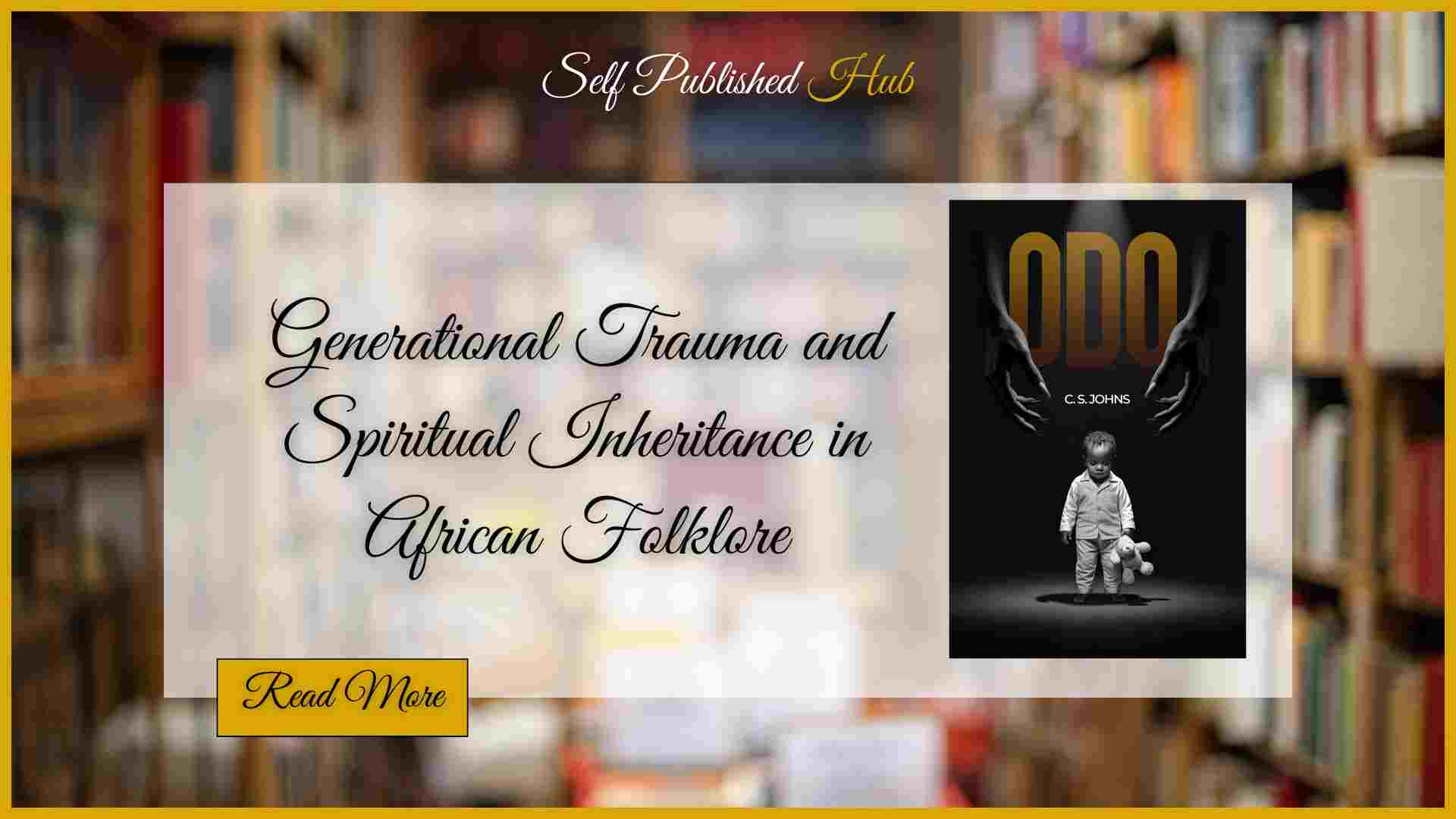
In many African societies, trauma is not seen as an isolated event but as something that reverberates through generations. This concept, often referred to as generational or ancestral trauma, is rooted not only in cultural experiences like colonization or slavery but also in spiritual belief systems. In “Odo” by C. S. Johns, this idea comes to life through the haunting presence of the demon Abiku—a supernatural force that targets newborn children and plagues families for generations. The characters in the novel, especially Faustin, inherit more than names and memories; they inherit a spiritual legacy of fear, unresolved battles, and hidden curses.
In Yoruba mythology, the Abiku is a spirit that causes infants to die repeatedly, only to return again through new births. This cycle of loss is devastating and often interpreted as a spiritual punishment or unresolved ancestral conflict. In “Odo”, author C. S. Johns cleverly uses the Abiku to symbolize more than just a mythical monster—it becomes a metaphor for the patterns of suffering that families carry with them, knowingly or not. As Faustin tries to protect his child, he is also confronting the weight of his ancestors’ spiritual debts, even if he initially refuses to acknowledge them.
One of the most powerful tensions in “Odo” is the clash between modern knowledge and traditional belief. Faustin is a newly graduated medical doctor, a man of science, living in a contemporary Nigerian society. Yet, he is still connected—through his family, his culture, and his past—to the spiritual beliefs that shaped his ancestors’ worldview. When he dismisses the stories about Abiku as myths, he is attempting to break free from what he sees as superstition. However, the haunting events that follow remind him—and the reader—that ignoring one’s roots can have dangerous consequences. The novel forces us to ask: Can we truly move forward if we don’t acknowledge where we’ve come from?
In African traditions, protective rituals, charms, and ancestral practices are not merely symbolic—they are vital tools used to guard against spiritual harm. In “Odo”, John’s character introduces a protective amulet that is meant to safeguard Faustin’s child from evil forces. Although initially dismissed, this small object carries immense symbolic weight. It represents not just spiritual protection but also the wisdom and intentions of those who came before. By accepting the amulet, Faustin is not only protecting his son but also reconciling with his lineage. The spiritual inheritance in the book is not just about pain—it’s also about healing and connection.
Generational trauma, when left unacknowledged, becomes a shadow that follows families, shaping decisions, fears, and identities. “Odo” by C. S. Johns illustrates this through a story that is as emotional as it is chilling. Faustin’s journey becomes one of self-discovery, not just in his role as a father, but as a bridge between the old world and the new. The novel suggests that the only way to truly escape generational curses is to confront them—head-on, with courage, and with respect for the ancestors. Spiritual inheritance, then, is not a burden, but a challenge: to remember, to heal, and to protect the future.
In “Odo”, C. S. Johns crafts a compelling narrative that blends horror with cultural truth. The story reflects how deeply rooted beliefs and unresolved histories continue to shape personal identities and family dynamics today. Through its exploration of generational trauma and spiritual inheritance, the book reminds us that the past is never truly gone—it waits, often in silence, for the moment we must face it.
Order your copy from Amazon to read the full story: