Human beings survived not because they were the strongest animals, but because they learned to think, communicate, cooperate, and care for one another. Over millions of years, physical changes helped early humans move across unfamiliar land, create tools, find food, and protect themselves. Yet the development of emotion and social behaviour may have been just as important as changes in the body.
Early humans faced predators, harsh climates, hunger, illness, and constant uncertainty. Living alone would have made survival far more difficult. Small groups provided protection, shared resources, and assistance during danger. This dependence encouraged stronger social bonds. Fear warned people about threats, while trust allowed them to remain within a group. Affection strengthened relationships between parents and children, and empathy helped members respond when someone was injured, frightened, or vulnerable.
As the human brain developed, people became capable of remembering past experiences and using them to make future decisions. Emotional responses were no longer limited to immediate danger. Humans could grieve, anticipate loss, feel pride, express loyalty, and reflect on their actions. These abilities gradually shaped traditions, family structures, moral expectations, and shared beliefs.
Evidence of burial practices among early human groups suggests that death became more than the physical end of a life. The careful treatment of the dead points to respect, attachment, and perhaps spiritual thought. Such practices show that humans were beginning to create meaning around life, loss, and belonging. These emotional developments helped turn groups of individuals into communities connected by memory and tradition.
Childhood also played an important role in human social development. Human children require care for many years before becoming independent. This long period encouraged parents, relatives, and other group members to protect, teach, and guide them. Children learned through observation, imitation, play, and storytelling. Knowledge could then pass from one generation to the next, allowing communities to grow stronger without beginning again after every loss.
Modern life may look very different from the African savannah, but many ancient emotions remain within us. People still seek safety, acceptance, companionship, freedom, and purpose. We still gather during celebrations, support one another during disasters, protect our families, mourn those we lose, and tell stories about the people who came before us.
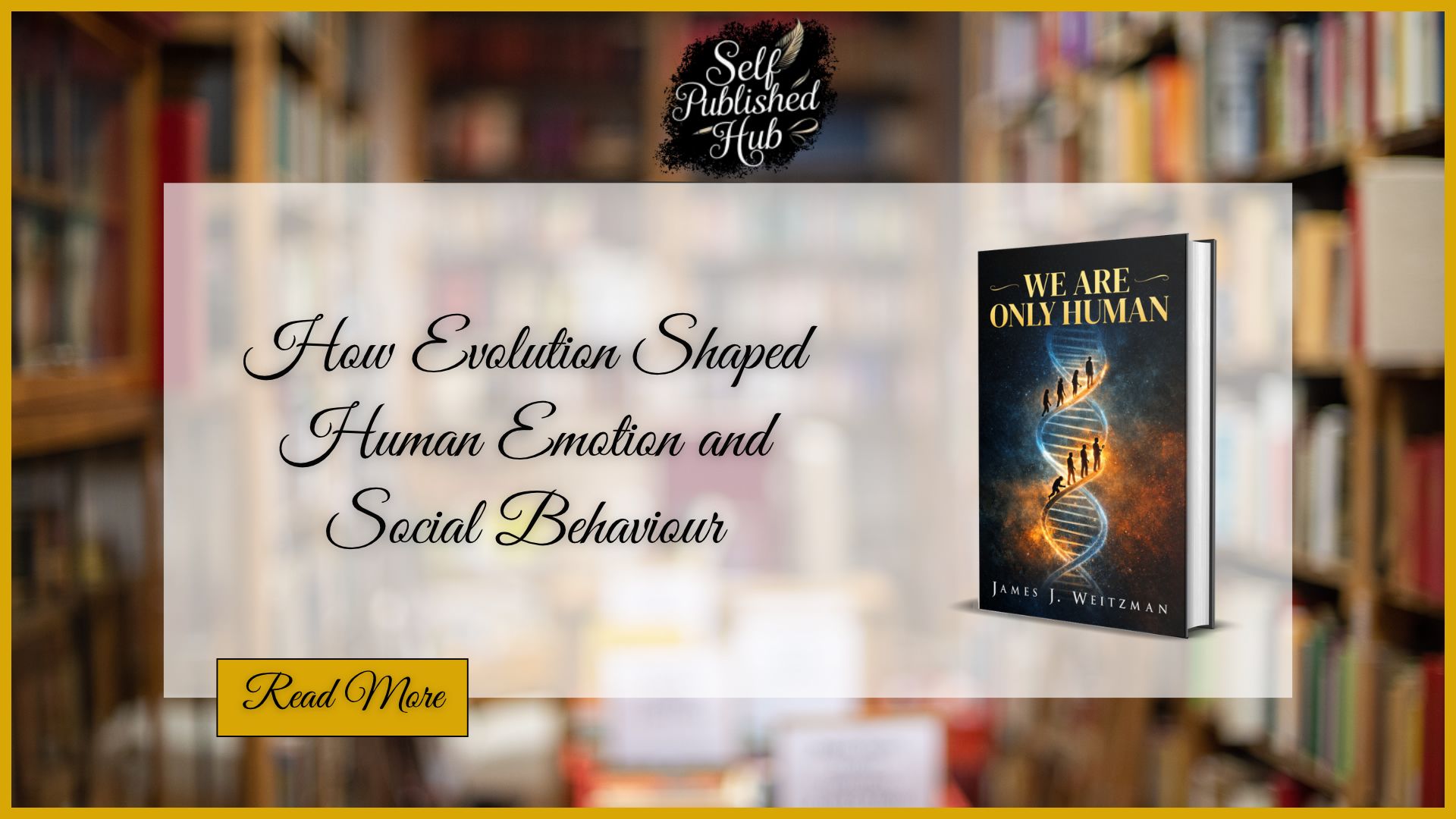
In We Are Only Human, James J. Weitzman combines observations about evolution with personal stories about family, childhood, education, hardship, humour, and love. The book considers how instinct, memory, compassion, and experience have shaped humanity across generations. It invites readers to look beyond physical evolution and consider the emotional qualities that make human life meaningful. Through scientific reflection and familiar family moments, Weitzman reminds us that our imperfections do not separate us. They are part of what connects us.
Read the Book on Amazon: https://a.co/d/07sgn6TM