In a world where nuclear weapons possess the power to devastate entire nations, maintaining peace between global superpowers has never been more important. Yet, as political tensions rise and international alliances shift, the relationship between the United States and China raises a troubling question: Can two nuclear-armed powers compete for global influence without eventually entering a devastating conflict?
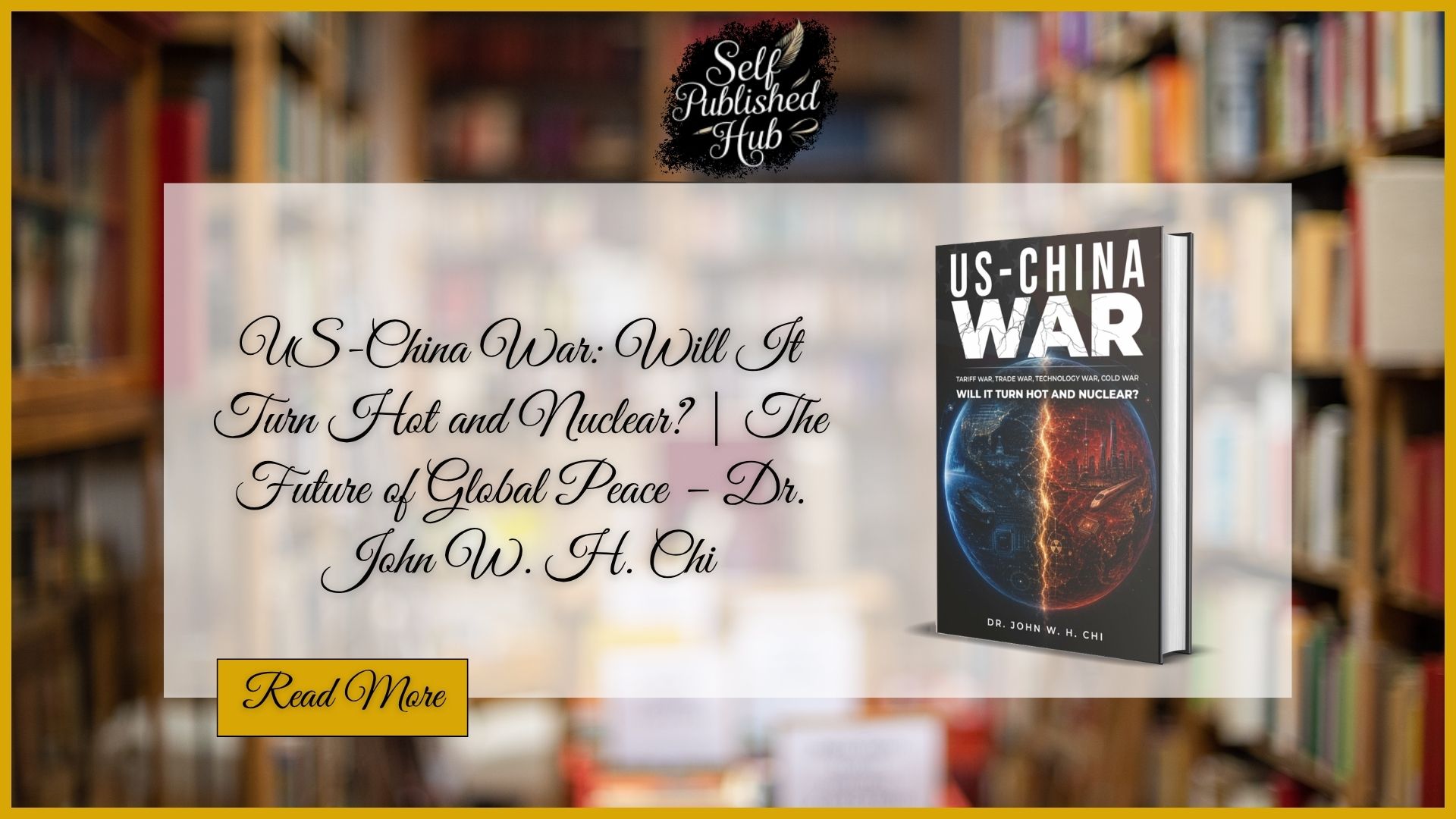
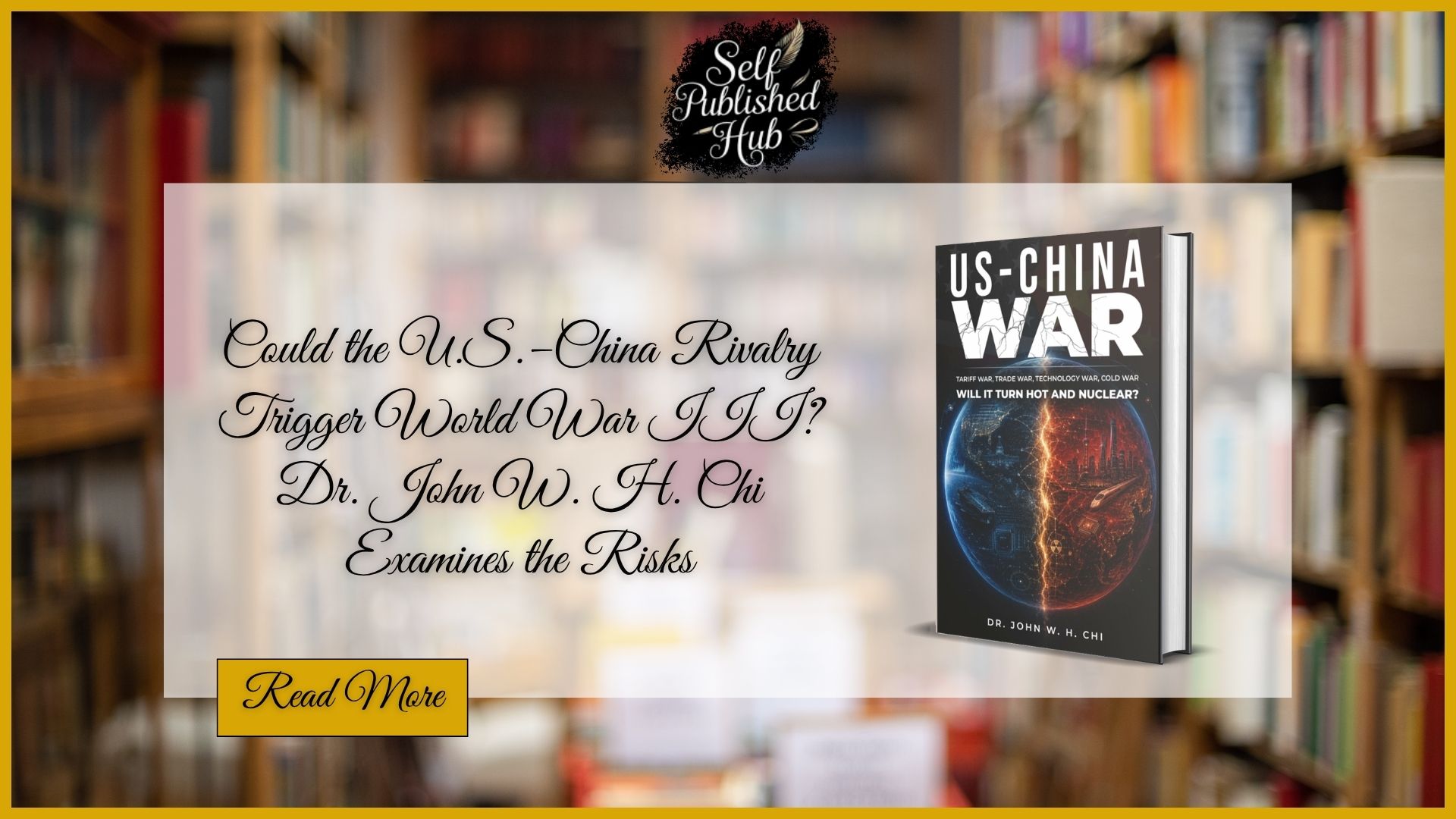
In his thought-provoking book, US-China War: Will It Turn Hot and Nuclear?, Dr. John W. H. Chi examines this possibility through historical analysis, geopolitical commentary and his professional experience in nuclear engineering. He explores the growing rivalry between Washington and Beijing while emphasizing why peaceful coexistence must remain a global priority.
Understanding the Growing Rivalry Between Two Global Powers
The United States and China share one of the world’s most consequential international relationships. Their economic connections influence global trade, technological innovation, manufacturing and financial markets.
However, growing competition has transformed many areas of cooperation into sources of political disagreement.
Dr. Chi examines how trade restrictions, technological sanctions, military alliances and competing geopolitical interests fuel rising tensions.
He argues that America’s determination to preserve its global dominance has intensified its confrontation with China’s economic and technological development.
Rather than viewing China’s rise as an inevitable threat, Dr. Chi encourages readers to consider whether both nations could benefit from a relationship built on mutual respect and cooperation.
Why Nuclear Warfare Changes the Rules of Global Competition
Throughout history, powerful nations have competed for territory, resources and political influence. However, nuclear weapons have fundamentally changed the consequences of military confrontation.
A conventional conflict between nuclear-armed nations carries the possibility of escalating into a catastrophe affecting millions of people.
In US-China War: Will It Turn Hot and Nuclear?, Dr. Chi examines the dangers of military escalation, particularly regarding Taiwan and expanding security arrangements in the Asia-Pacific region.
His perspective is informed by his experience at Westinghouse Electric Corporation, where he worked on nuclear technology and national defense projects, including space nuclear power systems associated with the Strategic Defense Initiative.
Dr. Chi warns that a direct confrontation could have devastating consequences for both countries and the wider world.
Can Diplomacy Succeed Where Military Pressure Cannot?
Military deterrence remains an important element of international security, but it cannot replace communication and diplomatic engagement.
Dr. Chi argues that peaceful coexistence requires nations to acknowledge one another’s security concerns, respect sovereignty and pursue negotiations rather than unnecessary confrontation.
His book challenges the assumption that international influence must operate as a zero-sum competition, where one country’s progress automatically threatens another’s prosperity.
Furthermore, he encourages readers to examine how historical grievances, political narratives and competing national interests influence decisions made by world leaders.
By promoting greater understanding, diplomacy could help reduce mistrust and prevent disagreements from developing into armed conflict.
Building a Future Where Cooperation Overcomes Conflict
Despite exploring frightening possibilities, Dr. Chi’s book ultimately delivers a message of hope and international responsibility.
He advocates redirecting attention toward economic development, improving living standards and addressing shared global challenges rather than pursuing endless military competition.
For Dr. Chi, peaceful coexistence does not require the United States and China to agree on every issue. Instead, it requires recognizing that their futures remain deeply interconnected.
As geopolitical tensions continue to reshape international relations, the choices these nations make could influence global stability for generations.
Will nuclear superpowers allow rivalry to determine humanity’s future or choose diplomacy before confrontation becomes irreversible?
Discover Dr. John W. H. Chi’s compelling examination of global power, nuclear risks and the importance of peace in US-China War: Will It Turn Hot and Nuclear?
Get your copy today on Amazon: https://www.amazon.com/dp/B0HLR9TXH9/