Marriage is often imagined as a natural progression toward stability, companionship, and shared purpose. It carries with it images of mutual respect, emotional support, and a life built together with understanding at its core. Yet for many, the reality unfolds very differently. The gap between what is expected and what is experienced can be wide, uncomfortable, and at times, deeply disorienting.
At the beginning, marriage can feel like a solution. It promises security, a sense of belonging, and the idea that two people will navigate life side by side. Early efforts, shared plans, and moments of connection reinforce this belief. There is a sense that things will improve, settle, and become easier with time.
But reality often introduces complications that are not part of the original vision. Communication, which is expected to be open and supportive, can become strained or dismissive. Small misunderstandings grow into repetitive patterns. Words that should build connection instead create distance. Over time, these patterns can feel fixed, as though change is no longer possible.
One of the most difficult aspects of this gap is the shift in how partners see each other. Expectations of kindness and respect may be replaced with criticism or indifference. Conversations that once felt important may turn into interruptions, corrections, or dismissals. This gradual change can leave one partner feeling unheard and undervalued, unsure of how things moved so far from where they began.
There is also the issue of injustice. Marriage is often described as a partnership, yet in reality, responsibilities and emotional effort are not always shared equally. One person may carry more of the emotional weight, managing conflict, holding peace, and adapting to the other’s behavior. This imbalance can create resentment, especially when it goes unacknowledged.
Another layer is the conflict between appearance and reality. From the outside, a marriage may seem stable or even ideal. Social interactions, public behavior, and shared routines can create the impression that everything is fine. Inside the relationship, however, the experience can be entirely different. This contrast can make it even harder to address problems, as there is pressure to maintain the outward image.
Over time, this gap can lead to confusion and self-doubt. When expectations are not met, it is easy to belittle the problem. You may begin to question your own reactions, your understanding of events, or your role in the relationship. This internal struggle can be exhausting, especially when there is no clear result.
Despite this, awareness remains a crucial turning point. Recognizing the difference between expectation and reality allows for a clearer understanding of the relationship. It creates space to evaluate what is acceptable, what needs to change, and what can no longer be ignored.
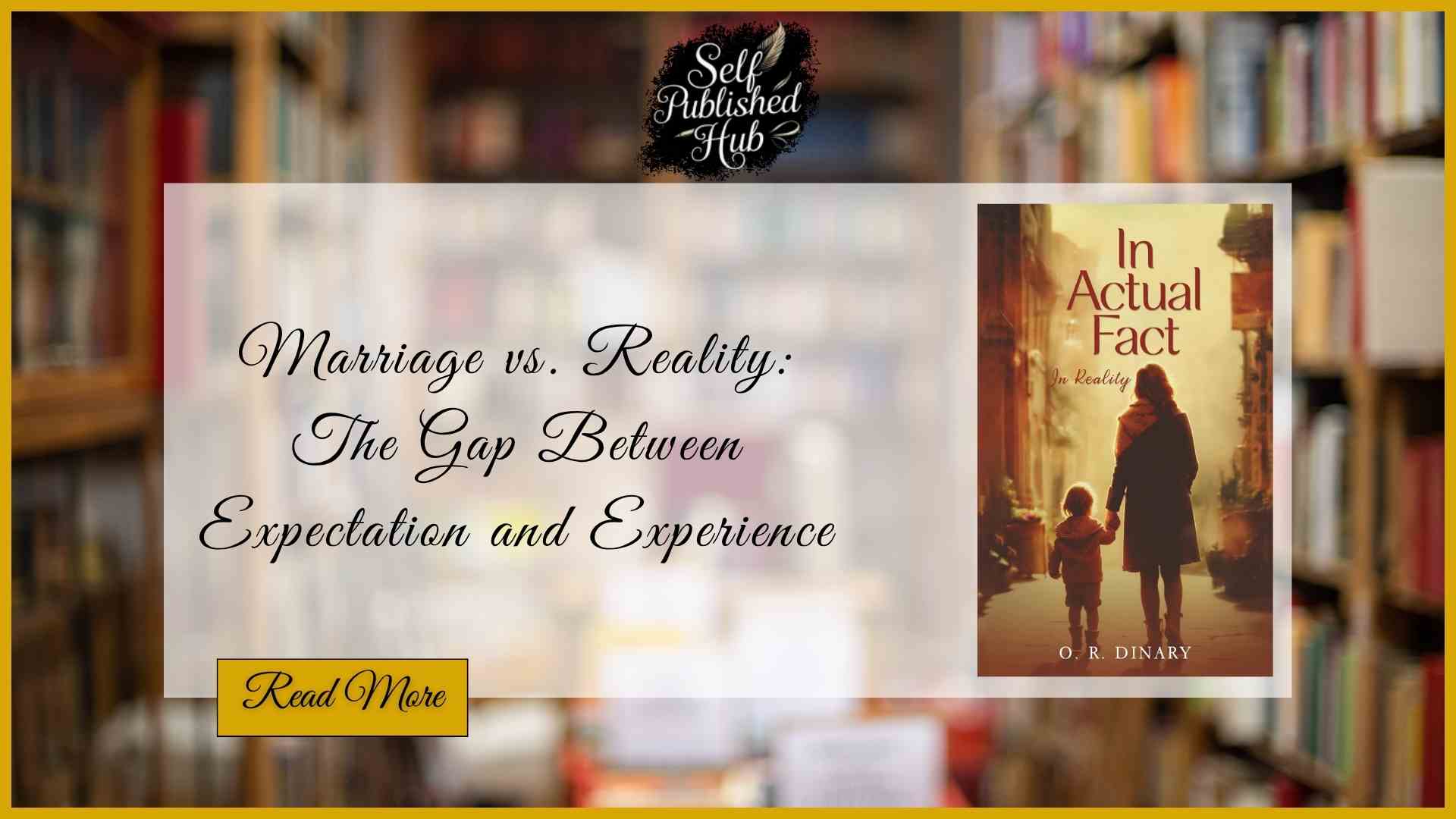
The lived experience of this contrast is explored with honesty in In Reality by O. R. Dinary. The book presents a deeply personal account of how marriage can evolve in unexpected ways, highlighting the tension between hope and lived experience. It captures the subtle shifts that occur over time and the emotional impact of navigating a relationship that no longer reflects its original promise.
Understanding this gap does not mean abandoning the idea of marriage altogether. It means approaching it with clarity rather than illusion. Expectations can be reshaped, boundaries can be defined, and decisions can be made with a better understanding of reality.
In the end, the difference between what marriage is supposed to be and what it becomes is not always obvious at first. It reveals itself gradually, through patterns, behaviors, and emotional responses. Recognizing it is the first step toward deciding what comes next.
Available Now On Amazon: https://www.amazon.com/dp/1971610690/