Are you diagnosed with a severe illness? Do you need assurance that everything will be fine? If yes. Then all you need is to hear it from someone. In this regard, survivor stories continue to matter because they speak to truths that statistics and clinical summaries cannot capture. While medical advances have transformed outcomes for many conditions, many of us are not prone to illness, which remains complex, emotional, and deeply personal and challenging. But when we hear any survivor stories, they give voice to what happens beyond diagnosis, treatment, and discharge. In short, they remind us that survival is not an endpoint, but a lived reality shaped by fear, resilience, uncertainty, and growth.
For those newly diagnosed, survivor stories offer something profoundly grounding. They provide reassurance that others have stood where they stand now and have found ways to endure. This reassurance is not about guarantees or false optimism. It is about visibility. Seeing someone articulate the confusion, terror, and exhaustion of illness makes the unknown feel slightly less isolating. Survivor stories say, you are not alone in this, even when the path ahead feels overwhelming.
These stories help normalize emotions that are often kept hidden. While illness is often portrayed as a story of strength and hope, many survivors also experience emotions like anger, grief, guilt, and profound vulnerability. Survivor stories acknowledge these feelings and challenge the myth that true courage requires always being optimistic. By openly sharing both doubts and resilience, these narratives foster honesty. Such honesty is crucial for emotional healing.
For those further along in recovery, survivor stories serve a different purpose. They help individuals make sense of their own journey by reflecting shared experience. Reading or hearing another person describe lingering anxiety, fear of repetition, or difficulty returning to normal life can have a deeply positive effect. It reassures survivors that ongoing emotional struggle does not negate their strength or progress. Healing is allowed to be incomplete and evolving.
Survivor stories also play a crucial role in advocacy and education. They humanize healthcare in ways policy and research cannot. When patients share their experiences, they highlight gaps in care, communication breakdowns, and unmet emotional needs. These insights are invaluable for improving patient-centered care. Survivor voices remind healthcare systems that outcomes are not measured solely in survival rates, but in quality of life, dignity, and emotional well-being.
Another important reason survivor stories still matter is legacy. Sharing experience transforms pain into purpose. Many survivors feel a desire to ensure that what they endured has meaning beyond their own lives. Storytelling allows experience to become guidance, comfort, and strength for others. This act of sharing does not erase trauma, but it can soften it by creating connection and contribution.
Survivor stories also challenge societal expectations. There is often an unspoken assumption that once treatment ends, life returns to normal. Survivors know this is rarely true. Ongoing side effects, emotional shifts, and altered priorities continue long after active care ends. By sharing these realities, survivor stories help reshape public understanding of survivorship as a long-term process rather than a celebratory finish line.
Importantly, survivor stories are not only for those who are ill. They can provide condolences to families, caregivers, and communities. They foster empathy and deepen understanding of what support truly looks like and how expressing your feelings can help you to manage your illness, or any hard aspect of life. They teach listening, patience, and respect for individual experience, resulting in strengthening the social fabric around illness and recovery.
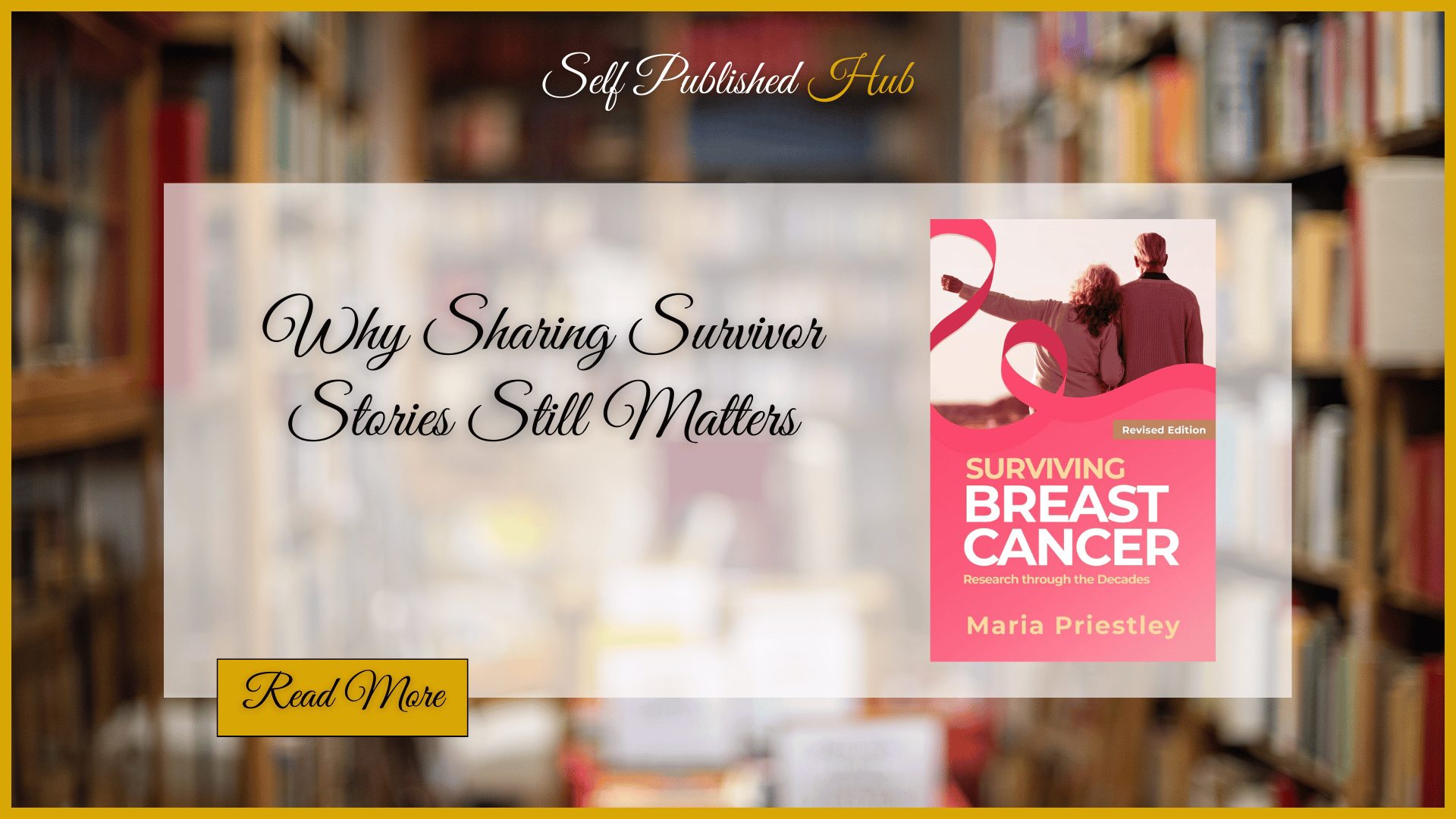
If we can come up with one such story, it would be We Fight to Survive by Maria Priestley. Through personal reflection and lived insight, the book presents a beautiful and often challenging story that will help anyone to find hope and recurrence once again. For those who spent hours searching for answers and trying to learn about the complexity of their illness, this book will help anyone to have the will to survive.
Head to Amazon to purchase your copy: https://www.amazon.com/dp/B0GHGBLD54?