How AI Is Shaping Our Workplaces
For decades, workplace safety has been guided by compliance. Rules were written, procedures documented, inspections conducted, and incidents logged. This approach delivered real progress, especially in controlling physical hazards. But work has changed, and safety responsibilities are changing with it. Artificial intelligence and automated systems are now shaping how work is organized, paced, and evaluated. Compliance alone is no longer enough.
AI does not sit on the sidelines. It influences scheduling, task assignment, monitoring, and decision support. These systems affect how quickly people work, how often they are interrupted, and how much discretion they feel they have. While none of this violates a rule on its own, the cumulative effect can influence fatigue, attention, and judgment. These are safety factors, even if they are not listed on a checklist.
This shift is pushing organizations from a compliance mindset toward something broader: system stewardship. Stewardship means taking responsibility not just for whether rules are followed, but for how systems shape behavior over time. It requires leaders to ask different questions. How does this system influence pressure? Where does it reduce clarity? What happens when it fails or gives conflicting signals?
AI driven workplaces are dynamic. Systems learn, update, and adapt. Static safety rules struggle to keep pace. Stewardship acknowledges that risk evolves and must be monitored continuously. This does not mean abandoning standards. It means supplementing them with observation, feedback, and review.
Another reason stewardship matters is accountability. When decisions are influenced by software, it can become tempting to treat outcomes as inevitable or neutral. In reality, systems reflect the choices made during design, procurement, and deployment. Stewardship keeps responsibility visible. Leaders remain accountable for how systems affect people, even when the mechanics feel complex.
Stewardship also requires collaboration. Safety, operations, IT, and leadership must work together rather than in sequence. Safety professionals cannot be brought in after deployment and expected to fix problems that were built in. Early involvement allows human impact to be considered before systems shape daily work.
Perhaps most importantly, stewardship centers people. Workers are not simply users of systems. They are participants in them. Their experience provides early warning signs that metrics often miss. Fatigue, confusion, and frustration usually appear before incidents do. Organizations practicing stewardship pay attention to these signals.
Moving from compliance to stewardship does not slow innovation. It makes innovation more durable. Systems that account for human limits perform better over time. They build trust rather than resistance. They reduce the need for reactive fixes.
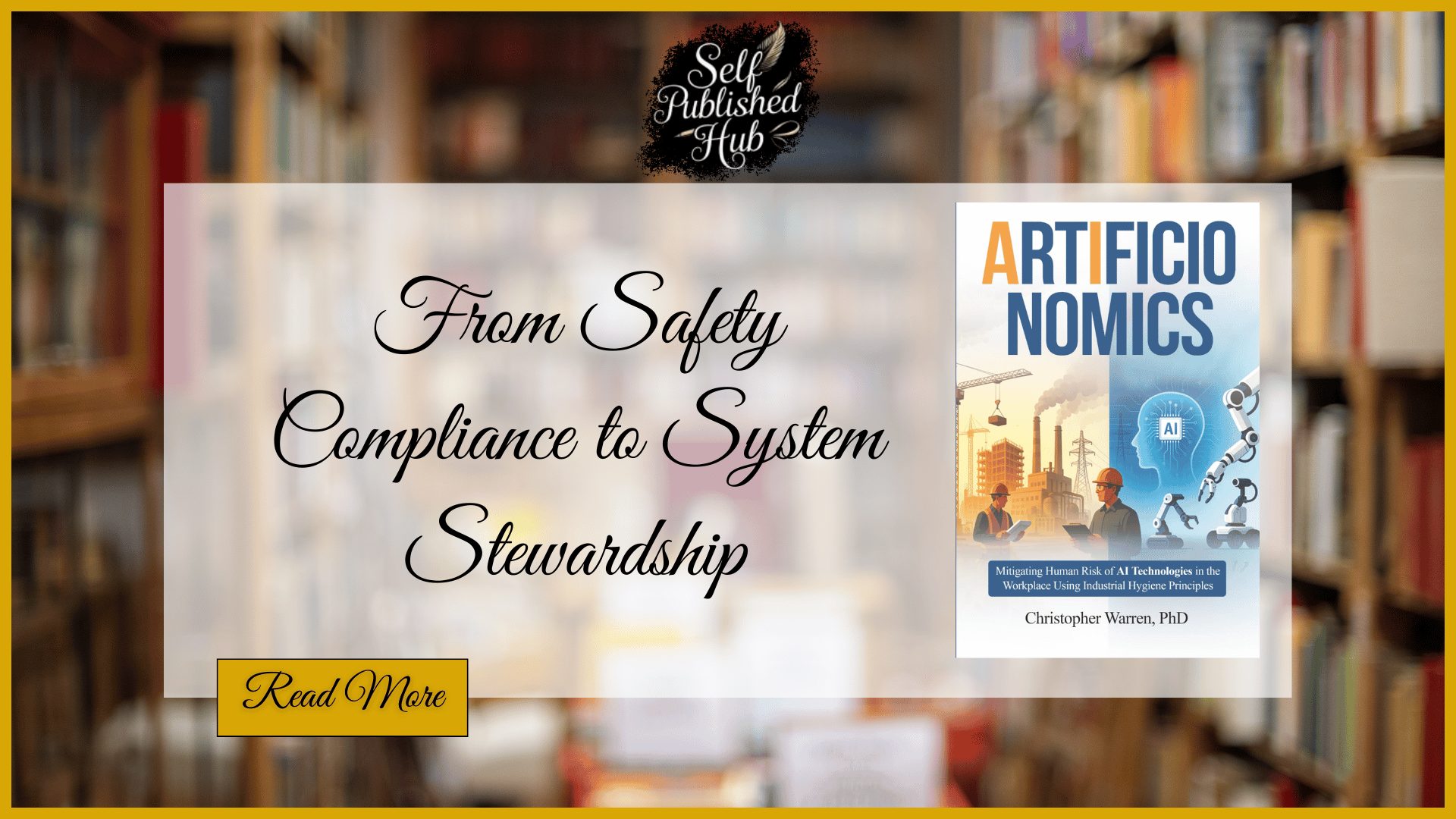
Drawing on decades of experience in industrial hygiene and risk management, Dr. Christopher Warren introduces a groundbreaking new discipline for addressing the human risks associated with AI and robotics. For leaders looking to navigate this shift thoughtfully, ArtificIonomics: Mitigating Human Risk of AI Technologies in the Workplace Using Industrial Hygiene Principles offers a useful lens. By applying established safety thinking to modern systems, AI procedures, and advanced robotics, the book helps organizations move beyond compliance toward responsible system stewardship without losing their footing. ArtificIonomics is a must-read for safety professionals, executives, and anyone seeking to protect people while embracing innovation.
For more information and insight please visit https://artificionomics.com/.