We live in an age characterized by a strange, quiet exhaustion. We sit at our desks, staring into glowing screens, sending emails, managing schedules, and analyzing data, completely detached from the physical reality of our bodies and the living world around us.
For centuries, Western society has been under the spell of a single, foundational philosophical phrase: “I think, therefore I am.” Coined by the French philosopher René Descartes, this concept profoundly damaged the human psyche and more and more isolated our identity entirely inside our own skulls. It told us that our rational minds are our true selves, while our physical bodies, our relationships, and the natural earth we walk upon are merely secondary, mechanical vessels.
This hyper-individualistic mind-body split has trickled down through generations. And now, it is settling into the bedrock of modern culture, where it has been manifesting as an unprecedented epidemic of chronic loneliness, workplace burnout, and deep, systemic alienation. We treat ourselves like disembodied brains driving around in meat suits, running on a hamster wheel of personal optimization and lonely ambition. We have come to believe that our value is determined solely by our individual cognitive output and what we can logically control.
But what if your existence isn’t a lonely intellectual exercise? What if the frantic quest to prove your worth through isolated achievements is a fundamental misunderstanding of what it means to be alive?
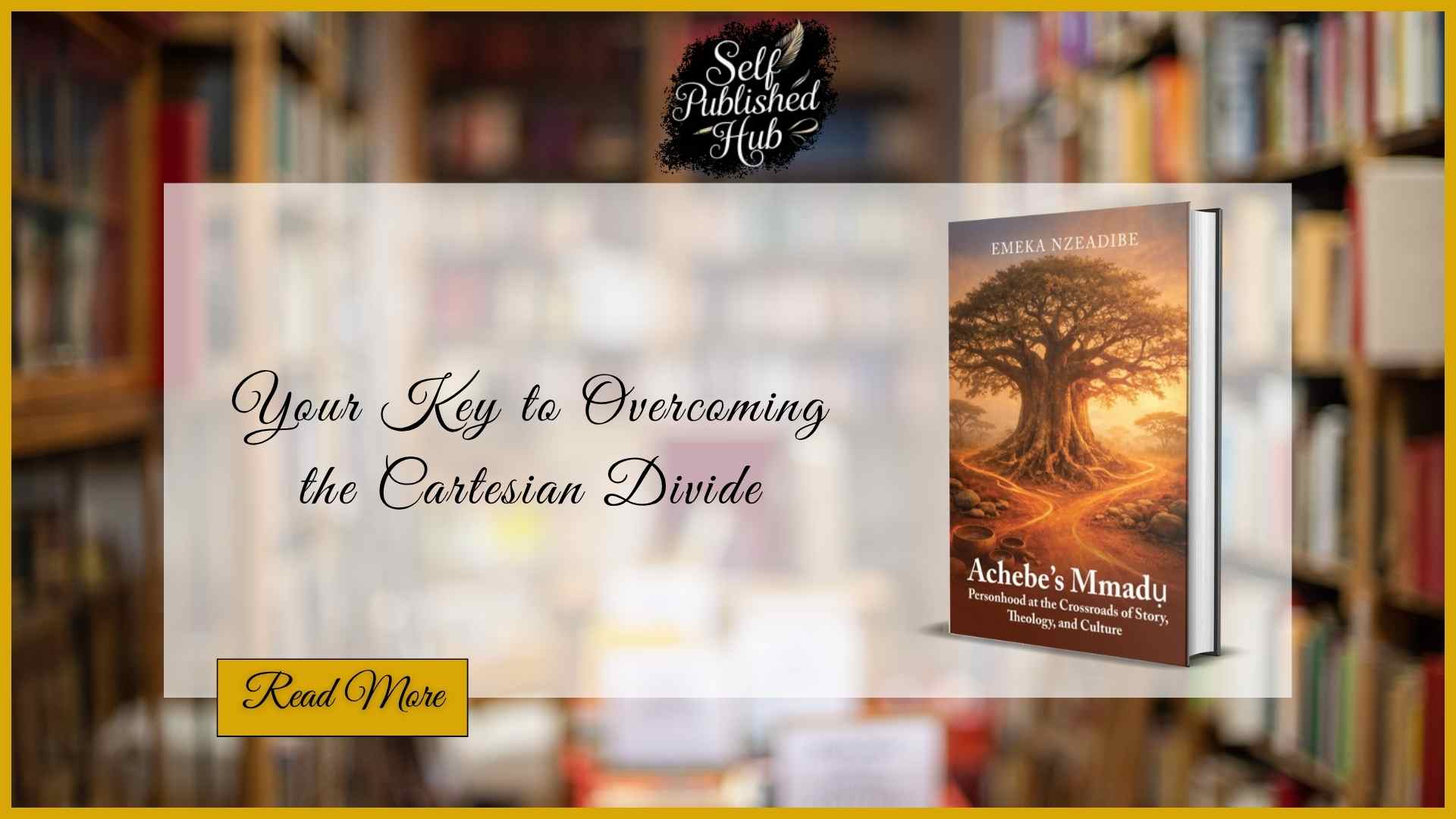
In Achebe’s Mmadụ: Personhood at the Crossroads of Story, Theology, and Culture, we are introduced to a radical, holistic alternative that shatters this centuries-old illusion. The traditional Igbo concept of Mmadụ (personhood) directly challenges the Cartesian divide and asserts that a human being cannot be understood as an isolated, self-contained ego. Instead of the lonely, independent self championed by Western thought, Mmadụ offers a relational model of human identity: “I am because we are, and since we are, therefore I am.” It asserts that our humanity is not something we possess individually; it is something we participate in collectively.
It is possible that you are facing burnout every day or might be living in airplane mode, with no off button. To move past it and this Cartesian split, you need to effect a profound shift in how you navigate your daily lives. You need to recognize your body, your emotions, and your relationship, which have been creating messy distractions in your intellectual pursuits. You need to look at yourself and reflect on your purpose and the philosophy of being human. You need to learn to be human and not act like machines.
Because when we reclaim a holistic view of personhood, only then can we begin to heal the fractures caused by modern isolation. Here, we no longer have to think our way to validity, nor do we have to grind our way to belonging.
By embracing an interconnected understanding of Mmadụ, we realize that we are anchored to something much larger than our own passing thoughts. You exist beautifully, completely, and securely because you are woven into an intricate, living tapestry of community, history, and sacred relationships. True peace comes when we stop trying to survive entirely in our heads and finally step back into the wholeness of the world.
Get your copy today! https://www.amazon.com/dp/B0GZFB5P25/