Strength does not always roar. Sometimes it whispers through steady hands, quiet decisions, and the ability to keep moving when fear presses in from all sides. In modern storytelling, especially stories centered on women, we often fall into the trap of equating strength with superhuman abilities, endless courage, or dramatic acts that defy reality. But real strength, the kind that lives in everyday people, looks different. It is subtle, practical, and deeply human.
Writing female strength without superheroes begins with grounding power in lived experience. It comes from recognizing that women do not need capes, combat skills, or impossible fearlessness to be compelling. What they need are choices that feel true, reactions that acknowledge both vulnerability and resilience, and an internal compass that shifts as they face pressure. It is the kind of strength that resonates because it mirrors what readers know from their own lives.
One of the best ways to capture this grounded strength is to show how a character responds when routines break down. It might be a crisis at home, a sudden change at work, or a subtle threat that grows over time. In these moments, strength becomes less about defeating the threat and more about understanding it, navigating it, and refusing to be erased by it. This approach replaces spectacle with authenticity.
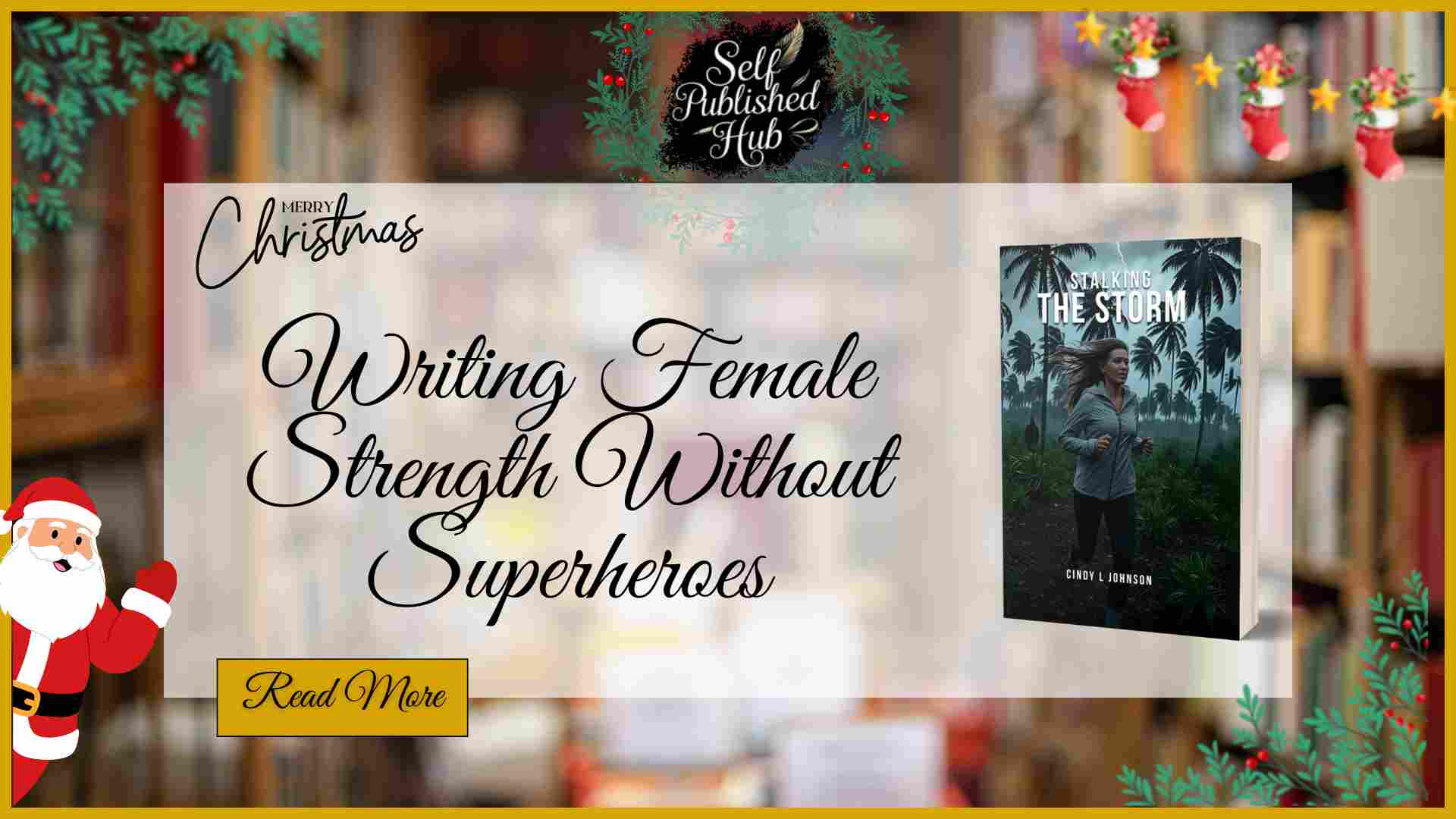
Camille García, the nurse at the heart of Stalking the Storm, exemplifies this kind of resilience. She is not a superhero. She does not fight evil with extraordinary powers. Instead, she uses the skills she has built over years of medical practice: observation, intuition, emotional steadiness, and the ability to care for others even when exhausted. Her strength stems from her work, her history, and her instinct to protect the vulnerable, including herself.
As danger closes in on her, Camille does not suddenly become fearless. She listens to her discomfort. She questions her surroundings. She relies on her training, documenting signs, preparing her home, and staying alert. These actions portray a form of courage rooted in realism. They show a woman using what she already knows to survive what she never expected. It is the essence of writing grounded female strength: allowing a character’s existing life experience to guide her through extraordinary circumstances, rather than giving her new abilities in the moment.
Writers can build similar depth by allowing their female characters to carry fear without being defined by it. Fear and strength are not opposites. They coexist. What matters is how a character moves through that fear. Small decisions often reveal more than dramatic declarations. A woman who locks the door twice, trusts her instincts, or asks for help when needed can be as heroic as one who charges into danger.
Realistic female empowerment is not about perfection. It is about adaptation, clarity, and the quiet refusal to surrender one’s sense of self. Stories built on these truths feel more intimate and more gripping because they honor the complexity of real women facing real threats.
For readers seeking a powerful example of this approach, Stalking the Storm by Cindy L. Johnson presents a compelling portrait of female resilience grounded in reality.
Read this book now, available on Amazon: https://www.amazon.com/dp/B0FWHZ3YC5/.