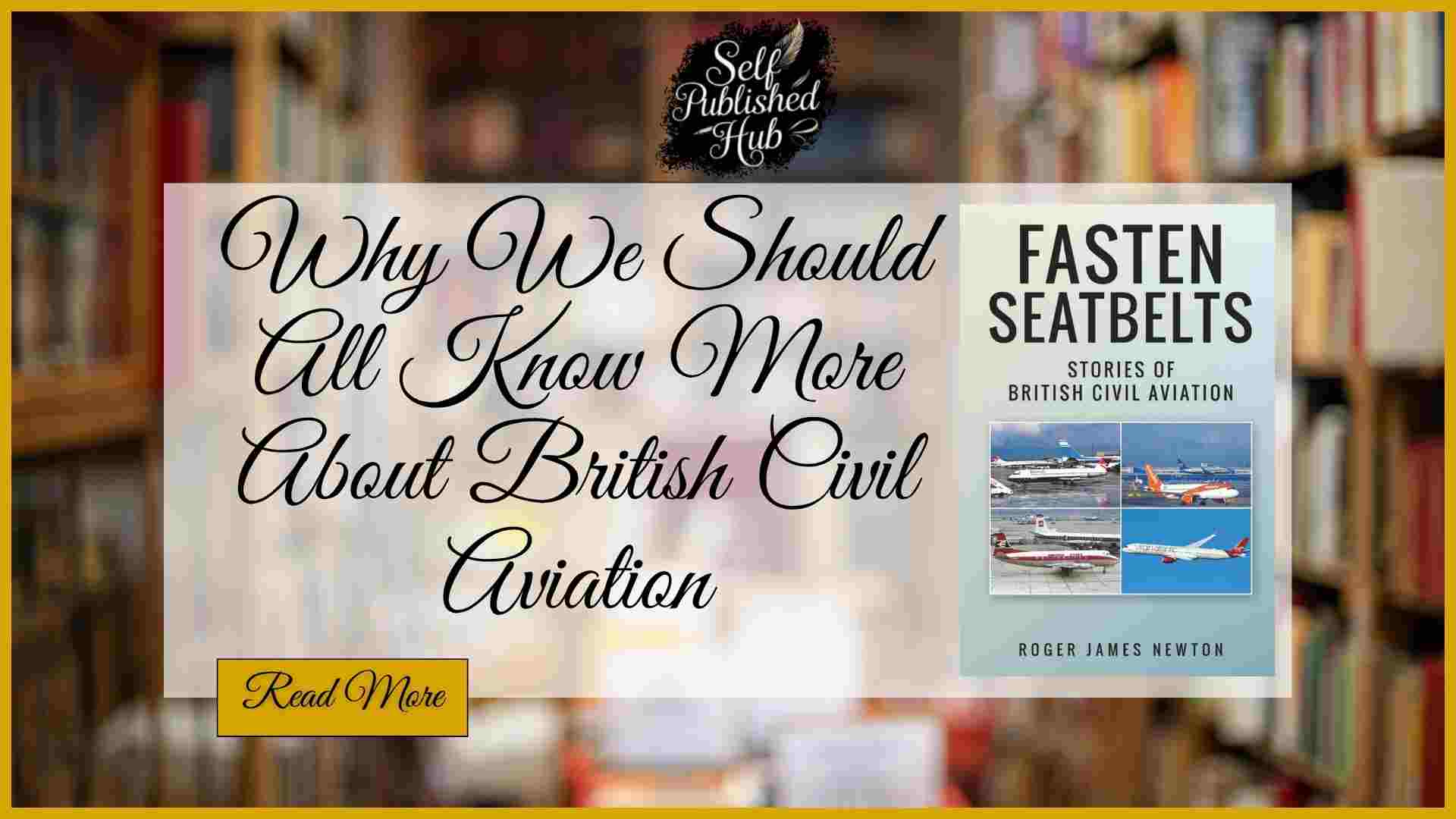
When we board a flight today, we do not think about how we got here. The history of civil aviation is a testament to decades of engineering, risk, and imagination that have made air travel part of everyday life. Yet, as Fasten Seatbelts – Stories of British Civil Aviation by Roger James Newton reminds us, the story of British civil aviation deserves to be better known. It is not only a story of planes and pilots but one of national resilience, creativity, and global impact.
Gaining insights into British aviation reveals how the industry contributed to shaping modern Britain. After the First World War, aviation symbolized recovery and renewal, with engineers who previously focused on combat aircraft shifting to design machines for peace, trade, and connection. Newton vividly illustrates this shift, highlighting companies like Rolls-Royce, de Havilland, Handley Page and Vickers as pivotal players in Britain’s post-war rebuilding. Their aircraft did more than transport passengers—they symbolized hope.
The 1950s and 1960s marked the golden years of British aviation, yet many of these stories risk being forgotten. The de Havilland Comet, for example, was the world’s first commercial jetliner. Its early tragedies taught lessons that shaped global safety standards and laid the groundwork for the jet age. The Vickers Viscount, a major British success story with its vibration free turboprop engines, made air travel much more comfortable and accessible. Newton brings these moments to life not as distant facts but as living stories about people who believed in progress.
But British aviation is not just a history of machines—it is also a story of the people who kept the nation’s wings strong. Newton’s writing gives voice to engineers, pilots, factory workers, aviation entrepreneurs and airline staff who turned innovation into achievement. He connects the technical to the human, reminding readers that every flight began with someone’s idea, courage, or persistence.
We need to learn more about British aviation, as its challenges mirror the nation’s wider path. Government policies, privatization efforts, and international competition have all influenced the industry’s fluctuations. Events such as the merger that created British Airways, the surge of budget airlines, and the recovery of Rolls-Royce from insolvency in 1971 and its subsequent aero-engine successes highlight a country adjusting to change while maintaining high standards. Newton emphasizes that aviation is more than just technology; it also reflects national identity and resilience.
Finally, understanding British aviation provides insights into the current aviation landscape. Initiatives like sustainability, hybrid aircraft, and international collaborations are grounded in Britain’s historical lessons. The same innovative spirit that led to Concorde’s supersonic capabilities still drives today’s pursuit of more eco-friendly skies.
In Fasten Seatbelts – Stories of British Civil Aviation, Roger James Newton makes a strong case for why this story still matters. His work is a reminder that progress is built on persistence, vision and risk-taking and that every generation stands on the shoulders of those who dared to look upward. To know British aviation is to understand a vital part of how we connect, travel, and see the world. For readers who love history, engineering, or simply a story of human achievement, this book offers a clear and lasting message that asserts that the past of British aviation is an inspiration and a lasting change that continues to shape the world of aviation we know today.