Many people believe they need to feel ready before they take action. Ready to change careers. Ready to start a relationship. Ready to speak honestly. Ready to live differently. This belief sounds reasonable, even responsible. Yet for many, it becomes the very thing that keeps life on pause.
The idea of readiness is comforting because it promises safety. It suggests that one day fear will fade, confidence will appear, and uncertainty will resolve itself. The problem is that this moment rarely arrives on its own.
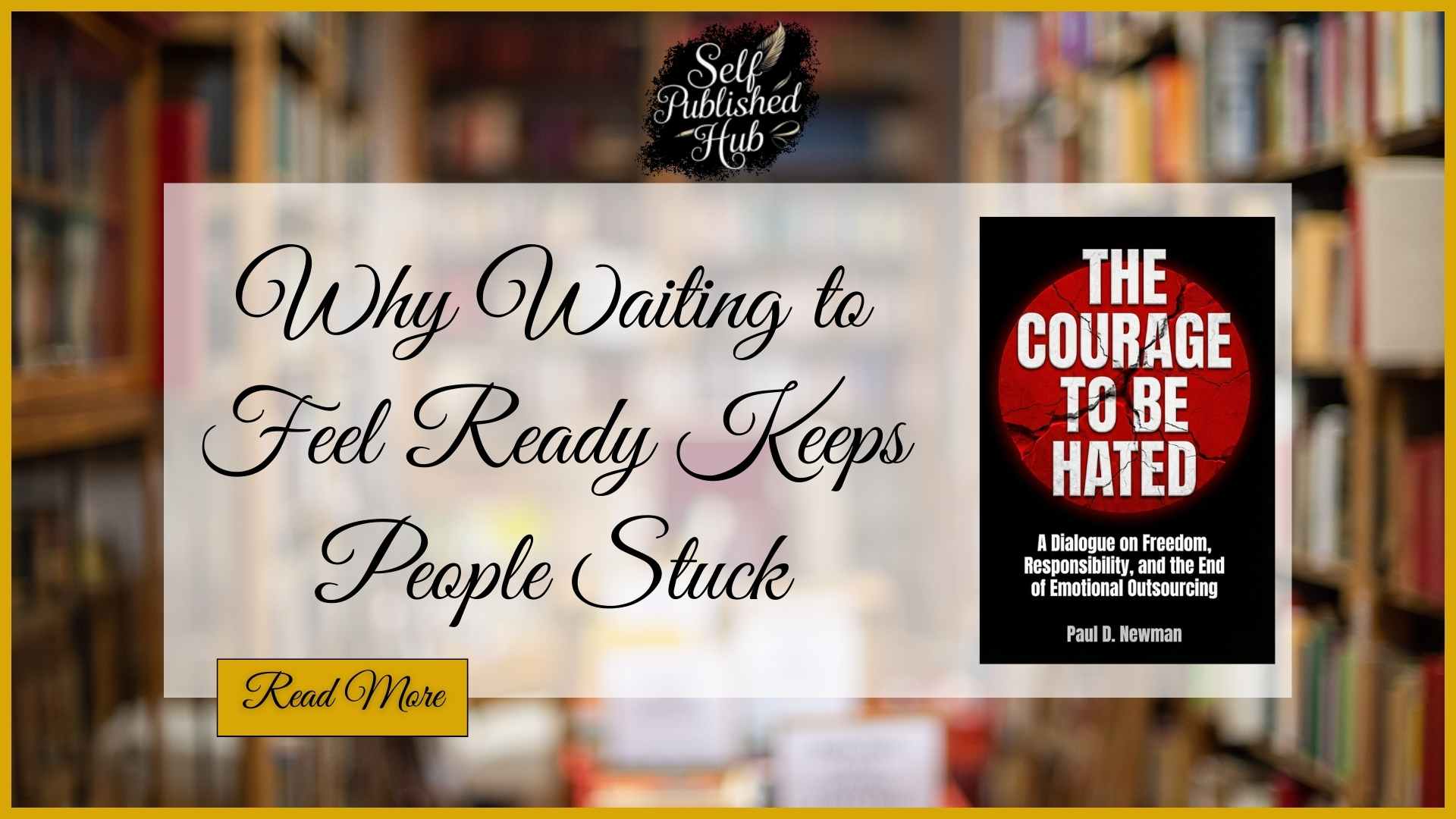
The Courage to Be Hated challenges the assumption that readiness precedes action. Instead, it suggests that action often comes first, and readiness follows later, if at all.
A common reason people delay action is the belief that they need to heal completely before moving forward. They tell themselves they must resolve every doubt, process every experience, and eliminate every insecurity.
While self-reflection has value, the expectation of emotional fulfillment can become an excuse. Life does not wait for people to feel whole. Relationships, work, and growth, nothing is guaranteed perfection.
The book presents the idea that healing is not a destination. Instead, it is something practiced through engagement with life. Avoiding challenges in the name of healing can lead to isolation rather than recovery.
Planning can become a way to avoid the vulnerability of action. As long as someone is prepared, they do not have to risk failure or judgment.
The book encourages readers to notice when preparation has crossed into avoidance. Taking small steps, even imperfect ones, often reveals more than any amount of planning ever could.
One of the central ideas explored is the choice between participation and safety. Safety promises predictability and control. Participation requires risk and uncertainty.
Many people choose safety without realizing the cost. Over time, safety can shrink life. Opportunities are missed. Connections fade. Curiosity dulls. Similarly, participation does not guarantee success, but it allows experience. It creates movement. It opens the possibility of change.
The Courage to Be Hated frames courage as the willingness to engage despite fear, not the absence of fear itself. Another challenging concept in the book is the difference between responsibility and blame. Accepting responsibility does not mean blaming oneself for everything that happens. It means recognizing where choice still exists.
People often avoid responsibility because it feels like punishment. In reality, responsibility can be empowering. It restores agency. It allows people to influence their direction rather than feeling carried by circumstance.
The book invites readers to examine where they are using past experiences as permanent explanations instead of temporary context. It also emphasizes the significance of everyday contributions that impact an individual—work done quietly and effectively, and relationships formed without the need for spectacle.
The lasting impact of The Courage to Be Hated lies in its refusal to comfort avoidance. It does not promise ease. It does not offer shortcuts. It asks readers to consider whether waiting has truly protected them, or simply delayed living.
Choosing to act without certainty is uncomfortable. It invites criticism and failure. Yet it also invites growth. Life begins not when fear disappears, but when people decide fear no longer gets the final say. Read The Courage To Be Hated for more information and insight. Head to Amazon to purchase your copy: https://www.amazon.com/dp/B0G3KT926J/.