For a polar bear, sea ice is not simply frozen water. It is part of its home, its hunting ground, and its path across the Arctic. When sea ice disappears too early or returns too late, polar bears face serious challenges finding food, travelling, and raising their young.
Polar bears depend heavily on seals for food. Seals spend much of their time near openings in the ice where they surface to breathe. Polar bears wait patiently beside these openings or move across the ice searching for opportunities to hunt. Without enough sea ice, reaching seals becomes far more difficult.
When the ice melts, polar bears may be forced to swim longer distances or spend more time on land. Swimming is natural for them, but long journeys require considerable energy. Young bears can find these journeys especially difficult. Time spent on land can also mean fewer chances to find the rich food they need.
Sea ice also helps polar bears travel through their vast Arctic habitat. A bear may cover large distances while searching for food or moving between important areas. Changes in the timing and location of ice can affect those journeys and place greater pressure on bears already searching for enough to eat.
The disappearance of sea ice can affect polar bear mothers as well. They need enough food and energy to care for their cubs. When hunting opportunities become limited, keeping themselves and their young healthy can become harder.
These facts can feel complicated for young readers, which is why stories can be such a useful way to introduce the subject. Instead of presenting kids with statistics alone, a story can help them understand what environmental change means for a living creature.
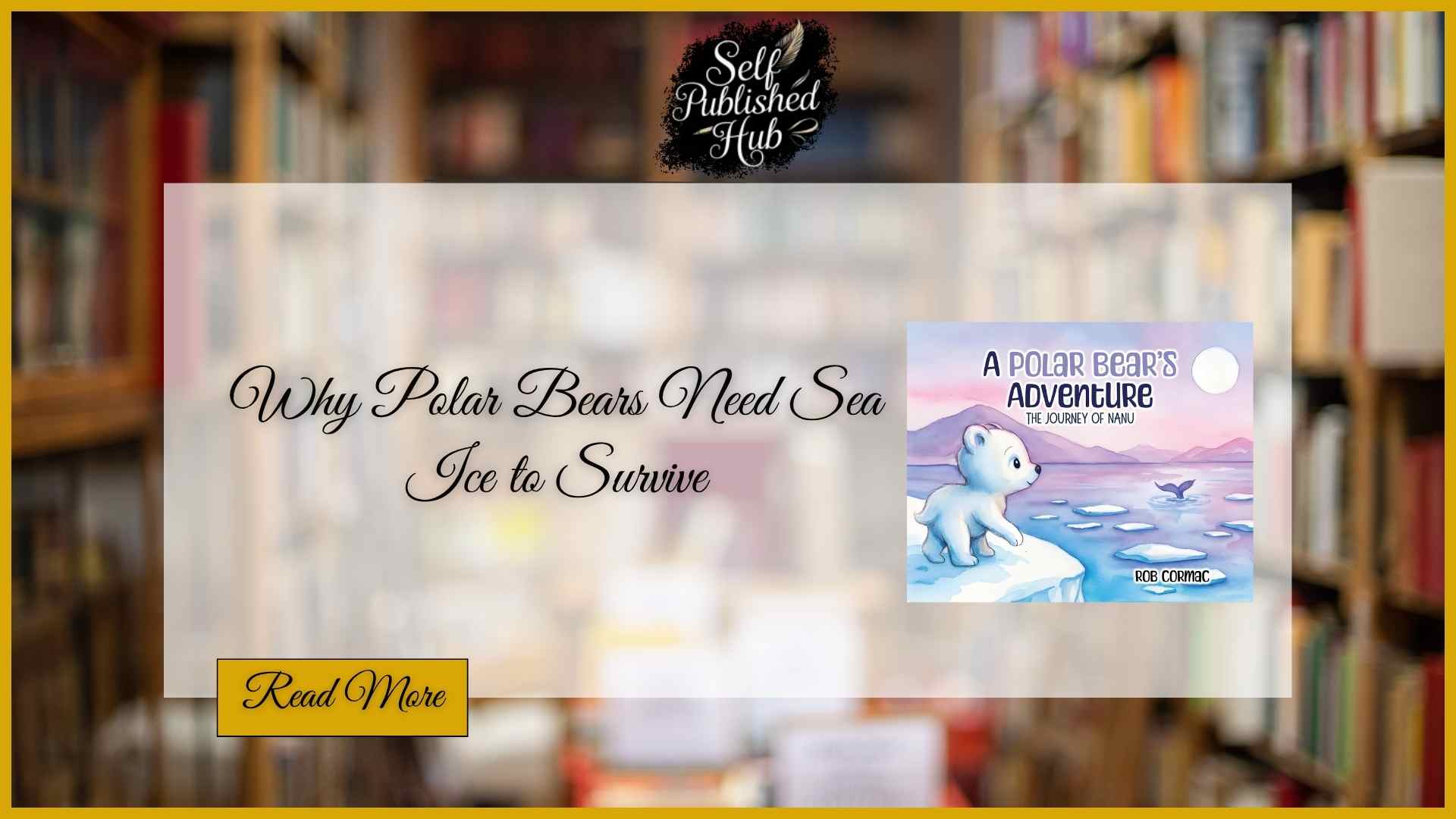
In A Polar Bear’s Adventure: The Journey of Nanu by Rob Cormac, young readers meet Nanu, a curious polar bear who discovers that his Arctic home is changing. When the ice begins melting earlier than expected, Nanu sets off to learn how animals in other parts of the world are coping with changes to their own homes.
Along the way, he meets whales, penguins, pandas, sea turtles, elephants, and tigers. Each encounter introduces kids to a different environmental challenge while keeping the story centred on friendship, courage, curiosity, and care for the natural world.
The Journey of Nanu gives parents and young readers an inviting starting point for conversations about wildlife and the planet. More importantly, it reminds kids that caring for nature does not require extraordinary powers. Small choices, thoughtful questions, and everyday acts of kindness can help build a future where animals such as Nanu still have a safe place to call home.
Read this book, available on Amazon: https://www.amazon.com/dp/1972989480/