We all know that Pakistan is famous for its problems. These issues are often discussed around politics, corruption, or economic instability. While we cannot ignore them, these issues are often treated as causes rather than symptoms. For example, if we look at the bigger picture, beneath them lies a deeper and more persistent crisis that rarely receives serious attention, which we could name psychological.
The Paradox of Mindset
A country’s trajectory is influenced by its people and how they perceive themselves and their role in the nation. In Pakistan, a widespread sense of helplessness prevails, as many citizens believe that their actions have no impact and that forces beyond their control control all outcomes. This mindset discourages initiative and weakens accountability at every level.
When we stop believing we have agency, systems decay quietly. Rules are ignored because they are seen as meaningless. Institutions lose credibility because no one feels responsible for protecting them. Over time, dysfunction becomes normalized, and what was once considered abnormal becomes acceptable.
Blame Culture and Emotional Relief
One of the most visible psychological patterns is the culture of blame. While blaming others offers emotional comfort by placing all responsibility on politicians, institutions, or foreign forces, without reflection, it creates stagnation. It allows people to express frustration without examining their own assumptions or behavior.
Short Term Thinking and Long Term Damage
Another psychological barrier is short term thinking. For example, when decisions are often judged by immediate benefit rather than long term impact, this affects everything from governance to education to urban planning, consistency disappears, and development remains fragmented. Short term thinking is not just a leadership issue. It reflects a broader cultural impatience that demands quick fixes and instant results. Real development, however, requires sustained effort and delayed gratification.
Education Without Critical Thinking
Education should challenge assumptions and foster critical thinking and analysis. In Pakistan, learning often emphasizes memorization rather than critical and innovative thinking. This limits the ability to question narratives, evaluate evidence, or imagine alternatives. Without the habit of questioning, inherited beliefs remain unchallenged, even when they no longer serve the nation’s interests.
Psychological Reform as the Starting Point
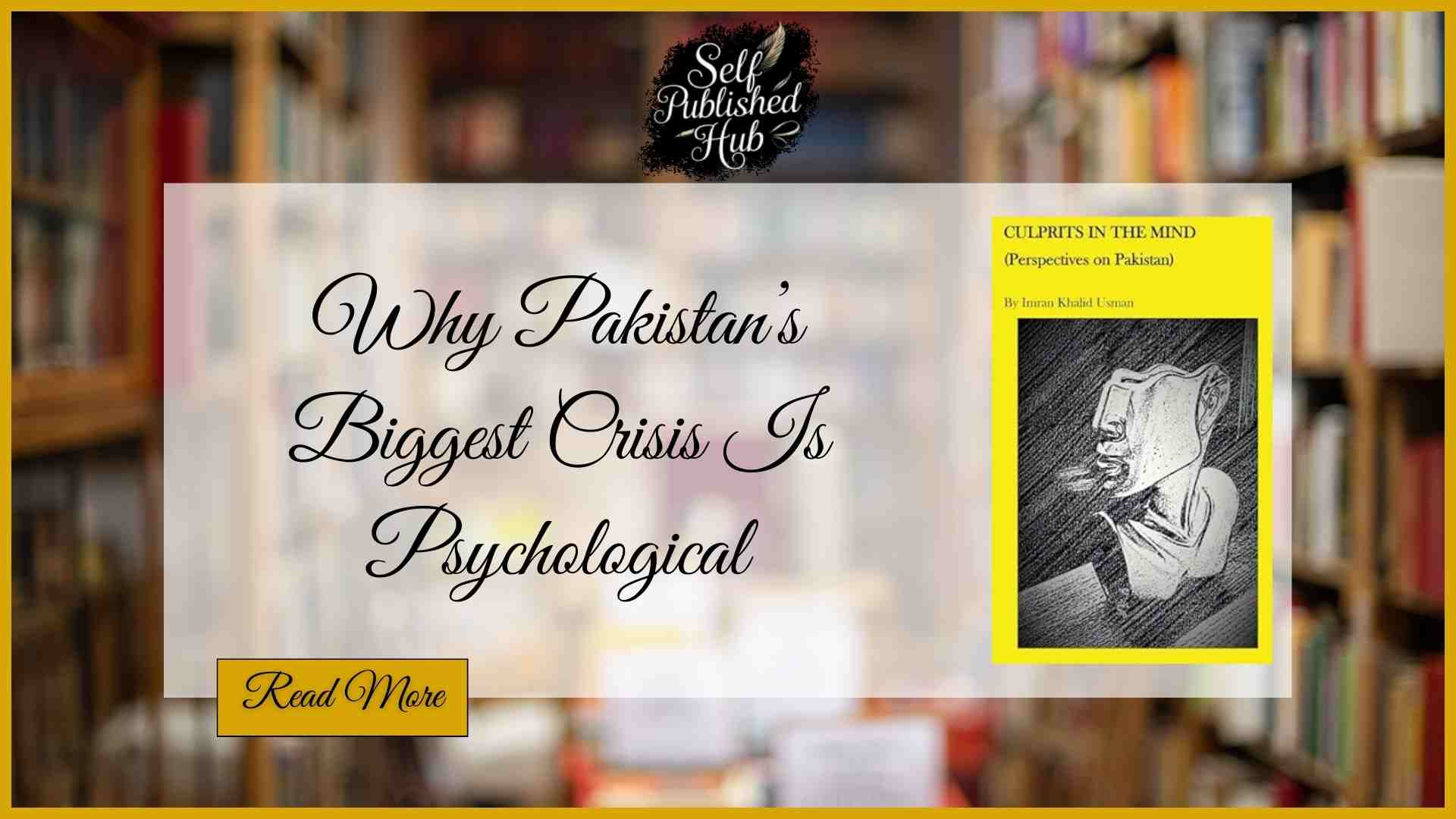
Pakistan’s challenges will not be resolved by economic packages or political slogans alone. They require psychological reform. This means rethinking how responsibility is understood, criticism is applied, and success is measured. Books like Culprits in the Mind by Imran Khalid Usman explore these deeper layers of national decline. The book argues that meaningful reform begins with honest reflection on mindset rather than endless debate over surface-level failures.
Until Pakistan confronts its psychological crisis, other reforms will remain incomplete, as change begins not only in institutions but also in how people think about themselves and their country for a collective and more sustainable change.
Head to Amazon to purchase your copies: https://www.amazon.com/dp/B0F1TVXM11/.