When a beloved animal dies, memories can initially feel painful. A familiar sleeping spot, an unused food bowl or the sound of silence at the front door may bring an unexpected wave of grief. The moments that once gave us joy can seem inseparable from the sadness of loss.
Over time, however, those same memories can become a source of comfort and strength.
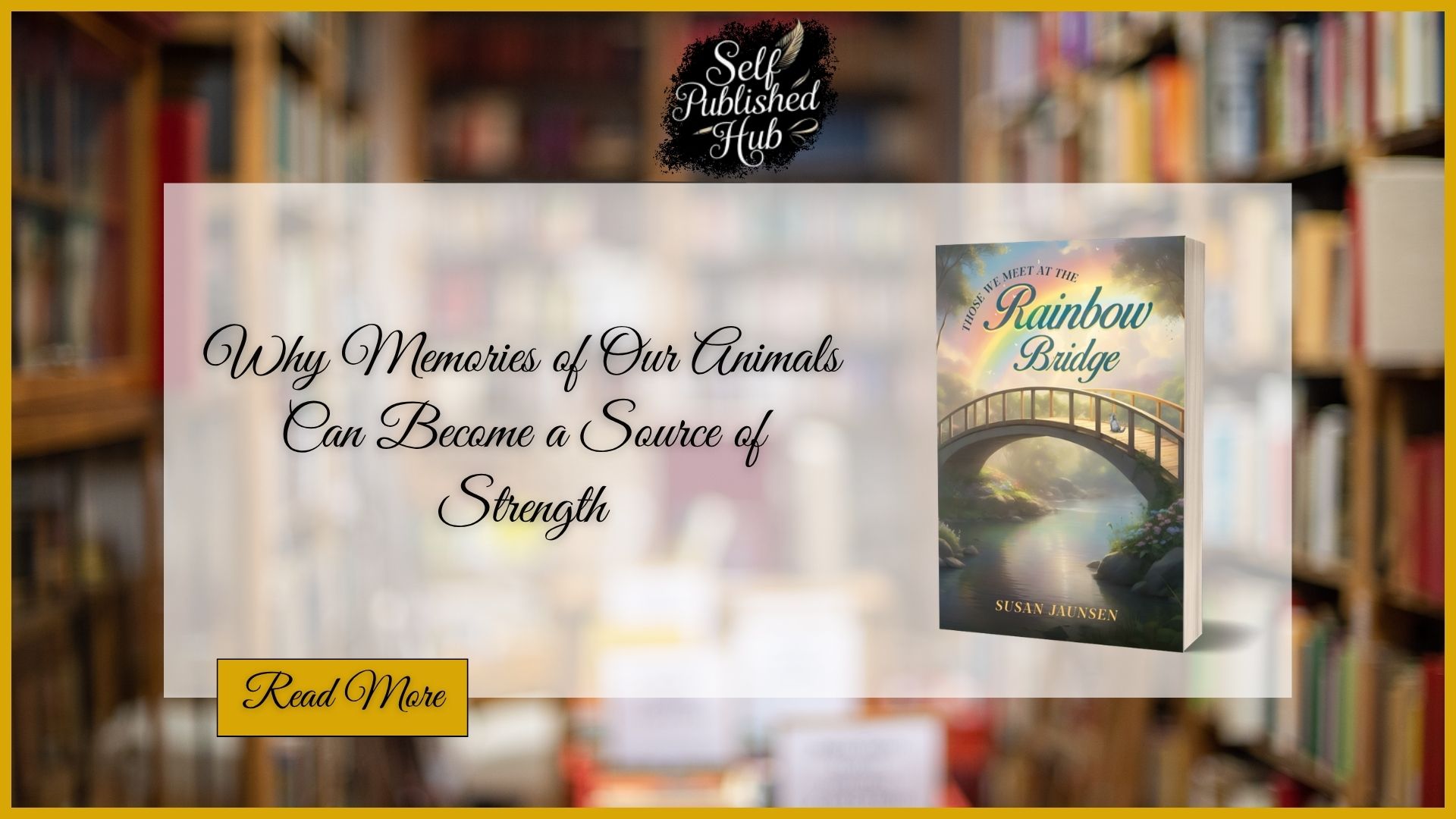
In Those We Meet at the Rainbow Bridge, author Susan Jaunsen explores how the animals we love continue to shape us long after their physical presence is gone. Through personal stories, rescue experiences, poetry, spiritual reflection and imagined reunions, the book shows that remembering an animal is not simply looking backward. It can help us heal, act with greater compassion and carry love forward.
The animals in Jaunsen’s life are remembered through the details that made them unique. Chloe had a strong personality and a distinctive way of demanding food. Shadow followed closely behind like the companion her name suggested. Bama, a small and loyal dog, brought comfort through his steady presence and affectionate routines. Siam, Smokey, Mischief, Little Boy, Oliver and many other cats each left their own mark through moments of trust, playfulness, resilience and companionship.
These memories preserve more than names. They protect the personalities and relationships that made each animal matter.
At the emotional center of the book is Willow, Jaunsen’s beloved grey-and-white cat. Willow was her constant companion, greeting her at the door, resting beside her and staying close during difficult moments. He offered comfort without needing words and became deeply woven into the rhythm of her daily life.
After Willow’s death, ordinary memories become especially meaningful. Jaunsen recalls his habits, his affection, the way he slept beside her and the quiet reassurance of his presence. Although remembering him brings grief, it also reminds her that she was deeply loved.
That is one of the book’s most powerful messages: memories can hurt because the relationship mattered, but they can also remind us of what the relationship gave us.
The rescue stories in Those We Meet at the Rainbow Bridge show another way memory becomes strength. Beatrice and Bonnie, two rabbits saved from an unsafe outdoor enclosure during heavy rain, reinforce the importance of acting when a vulnerable creature needs help. Clarence, a neglected cockatoo, becomes a lasting reminder that animals need dignity, stimulation, companionship and protection. The feral cats Jaunsen feeds, traps, treats and relocates strengthen her commitment to caring for animals others might overlook.
Remembering these encounters inspires continued compassion. The lessons do not disappear when the animals are gone.
For grieving pet owners, this can be deeply reassuring. Healing does not require forgetting. We do not have to erase an animal’s presence to move forward. Instead, we can allow memories to change from reminders of absence into evidence of love.
Those We Meet at the Rainbow Bridge invites readers to view remembrance as a living bond. The animals we loved may no longer walk beside us, but their influence remains in the kindness they awakened, the routines they shaped and the strength they helped us discover.
Their pawprints remain not only on our hearts, but also in the people we become because we loved them.