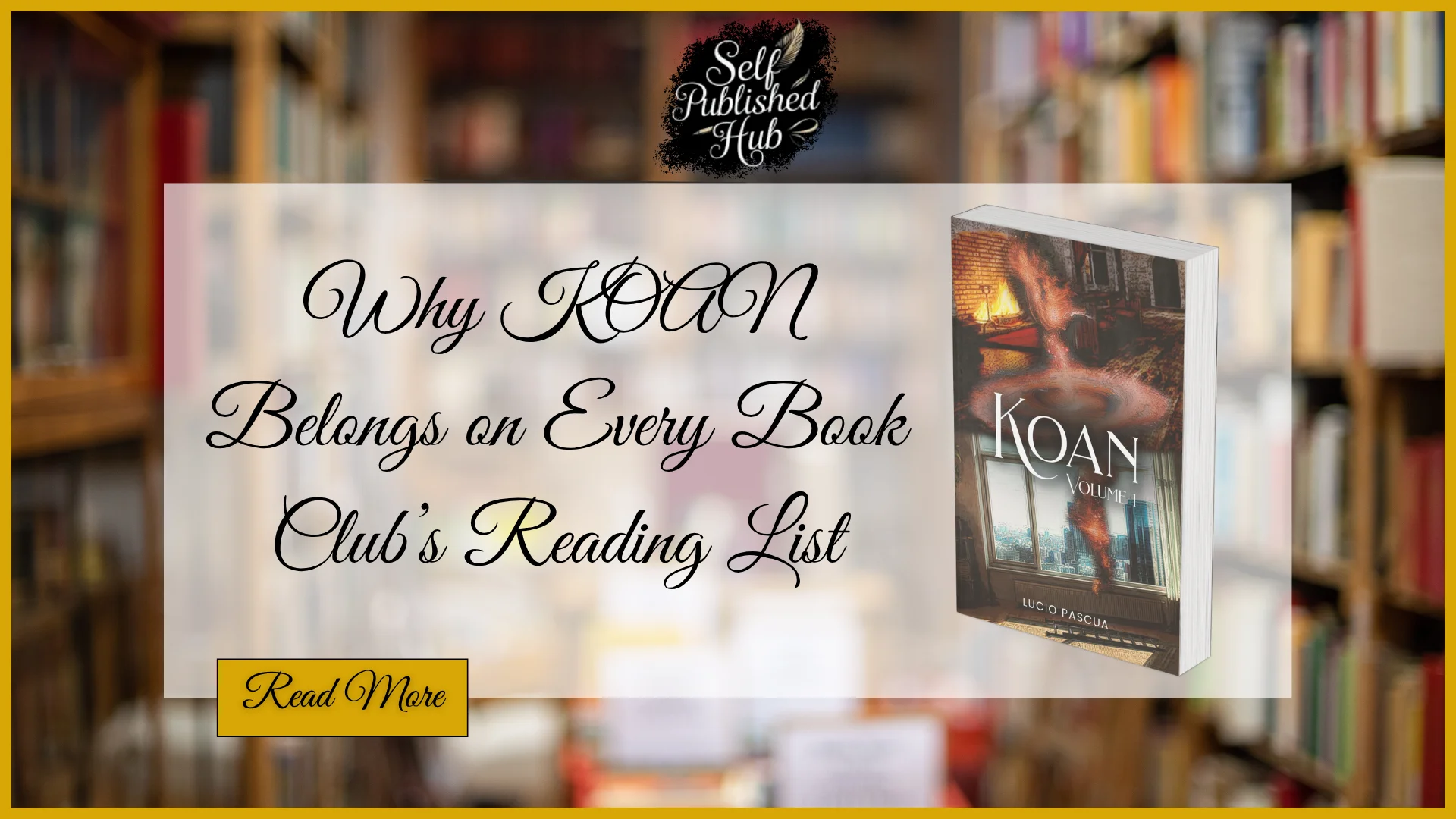
Every book club knows the thrill of stumbling upon a novel that doesn’t just spark conversation, but lights it up like a fire. The kind of book where no two readers walk away with the same interpretation, and where the discussion lasts long after the meeting ends. Lucio Pascua’s KOAN is exactly that kind of book, a rare work that blends literary fiction, philosophical fantasy, allegorical storytelling, and magical realism into a narrative designed not just to be read, but to be explored, debated, and re-read.
What makes KOAN such a strong candidate for any book club is its multi-layered approach to storytelling. On the surface, it’s a sweeping tale filled with mythical guardians, radical leaders, and villains forged by darkness. But beneath its fantastical threads lies a meditation on some of life’s biggest questions: What does it mean to live with purpose? How do we balance chaos and order? Can peace exist without violence? Each character, from the steadfast Northern Tortoise to the radical pacifist El-Javaz, becomes both a figure in the plot and a symbolic entry point for larger philosophical discussions.
This layered narrative ensures that KOAN can appeal to a diverse group of readers. The fantasy enthusiast will enjoy its mythical elements, the philosopher will dive into its metaphysical questions, and the satirical reader will delight in its playful critique of politics, science, and religion. In this way, the book bridges genres and perspectives, making it accessible to a variety of interests within a single book club. It’s not just about agreeing on what happened. It’s about unpacking what it means.
Book clubs thrive on novels that resist easy answers, and KOAN does exactly that. Its multiverse of possibilities challenges readers to consider how choices ripple across realities, a theme that naturally sparks debate. Is destiny something we inherit, or something we create? Do El-Javaz’s ideals of peace reflect strength or naivety? Is Hel doomed by his lineage, or responsible for his cruelty? These questions mirror the kinds of thought-provoking discussions that make book clubs exciting, turning every meeting into a forum for ideas rather than just opinions.
Moreover, Pascua’s writing style encourages re-reading and reflection. The novel is full of allegorical detail, poetic turns of phrase, and symbolic imagery that reward close attention. A group could easily spend weeks unpacking the meaning of the Guardians, the allegories behind the Enlightened One, or the satirical parallels between KOAN’s institutions and our own. Each reading brings new insights, making it the kind of book that grows richer in the company of others.
For clubs that enjoy drawing connections between books and other art forms, KOAN also resonates with films like Cloud Atlas, Arrival, or The Man Who Fell to Earth, works that combine speculative wonder with philosophical depth. These parallels add another dimension to discussions, allowing readers to compare how different mediums tackle similar questions about fate, identity, and meaning.
In short, KOAN is more than just a story. It’s a conversation starter, a teaching tool, and a mirror reflecting the complexities of our world. For book clubs craving novels that challenge, inspire, and stay with them long after the last page, Pascua’s work is an essential addition to the list.
If the best book club reads are those that open doors to new ways of seeing, then KOAN doesn’t just open a door; it opens a universe.
Available on Amazon: https://www.amazon.com/dp/B0FHDQN2C1.