There is something deeply unsettling about a place that should feel safe but does not. A home is meant to offer comfort, protection, and rest. When that expectation is broken, fear settles in quickly and stays. That is why haunted homes continue to be one of the most effective and lasting horror tropes. They do not rely on monsters chasing characters through dark streets. Instead, they turn everyday living spaces into sources of quiet dread.
Haunted house stories are effective because they trap characters in a situation where they are most vulnerable. Unlike external threats, a house surrounds you. You sleep there, eat there, and try to live a normal life inside its walls. When the house itself becomes hostile, there is no easy escape. The fear feels personal and unavoidable. Readers imagine themselves in the same situation, listening to sounds at night or sensing that something is wrong but not knowing where it comes from.
Another reason haunted homes remain terrifying is their connection to memory and history. Houses outlast people. They hold the marks of past lives, tragedies, and secrets. In many stories, the house remembers what happened in the past and refuses to let it go. This idea that walls can carry emotional weight makes the horror feel grounded. It suggests that trauma does not disappear just because time passes. Instead, it lingers and waits to be discovered.
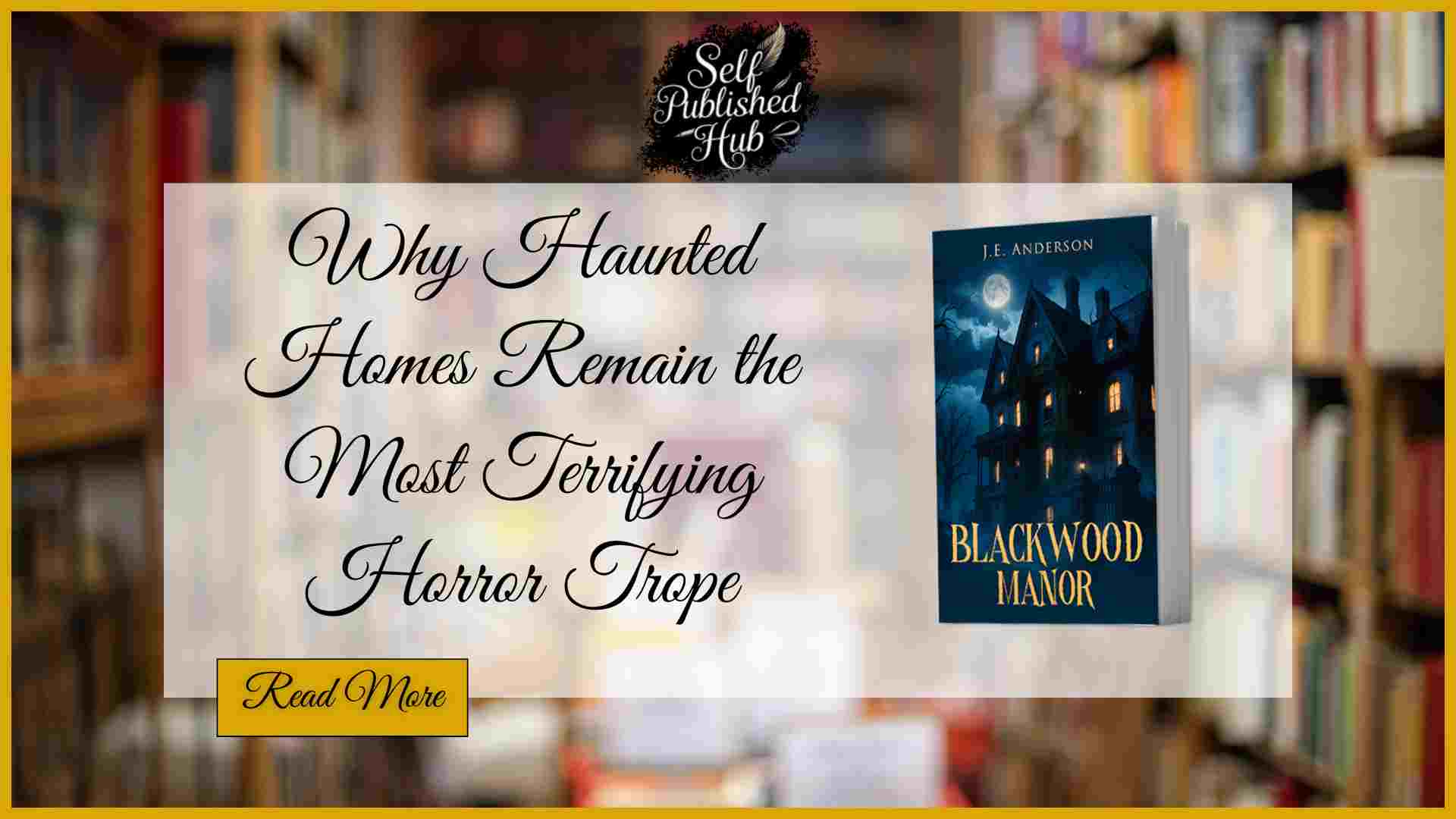
That is where sentient houses like Blackwood Manor become especially unsettling. In Blackwood Manor by J.E. Anderson, the house is more than just a setting. It actively feeds on fear, manipulates emotions, and pulls a family into its dark past. The structure itself becomes a witness to generations of suffering. As the family uncovers what happened before them, the house grows stronger. It reflects a powerful truth found in many haunted home stories. When history is ignored, it does not stay silent.
Classic examples demonstrate the effectiveness of this approach. In stories like The Haunting of Hill House or The Shining, the buildings shape the mental state of the people inside them. Long hallways, closed rooms, and familiar spaces slowly turn threatening. The horror comes from watching characters question their own thoughts while the house remains still and patient. This book follows this tradition while adding a modern focus on family bonds and psychological strain.
Haunted homes also work because they blur the line between the supernatural and the emotional. Fear is not only caused by ghosts or unseen forces, but real-life situations can also trigger it. It grows from stress, grief, and isolation. A house that reflects these feelings feels alive in a quiet, believable way. Readers are not just afraid of what might appear. They are afraid of what the house represents.
Haunted homes endure because they turn the familiar into something dangerous. They remind us that the past has weight and that places can shape the people who live in them. For readers who want to explore a modern take on this timeless idea, Blackwood Manor by J.E. Anderson offers a chilling and thoughtful example of why haunted houses remain compelling and will continue to do so.
Read this book now, available on Amazon: https://www.amazon.com/dp/B0FCDM1PJX.