Inclusive education has become an important conversation in schools worldwide. Teachers are encouraged to recognise different ways of learning, accommodate students with additional needs and create classrooms where everyone feels valued. But there’s one question that rarely receives the attention it deserves: Who supports the teachers who think differently?
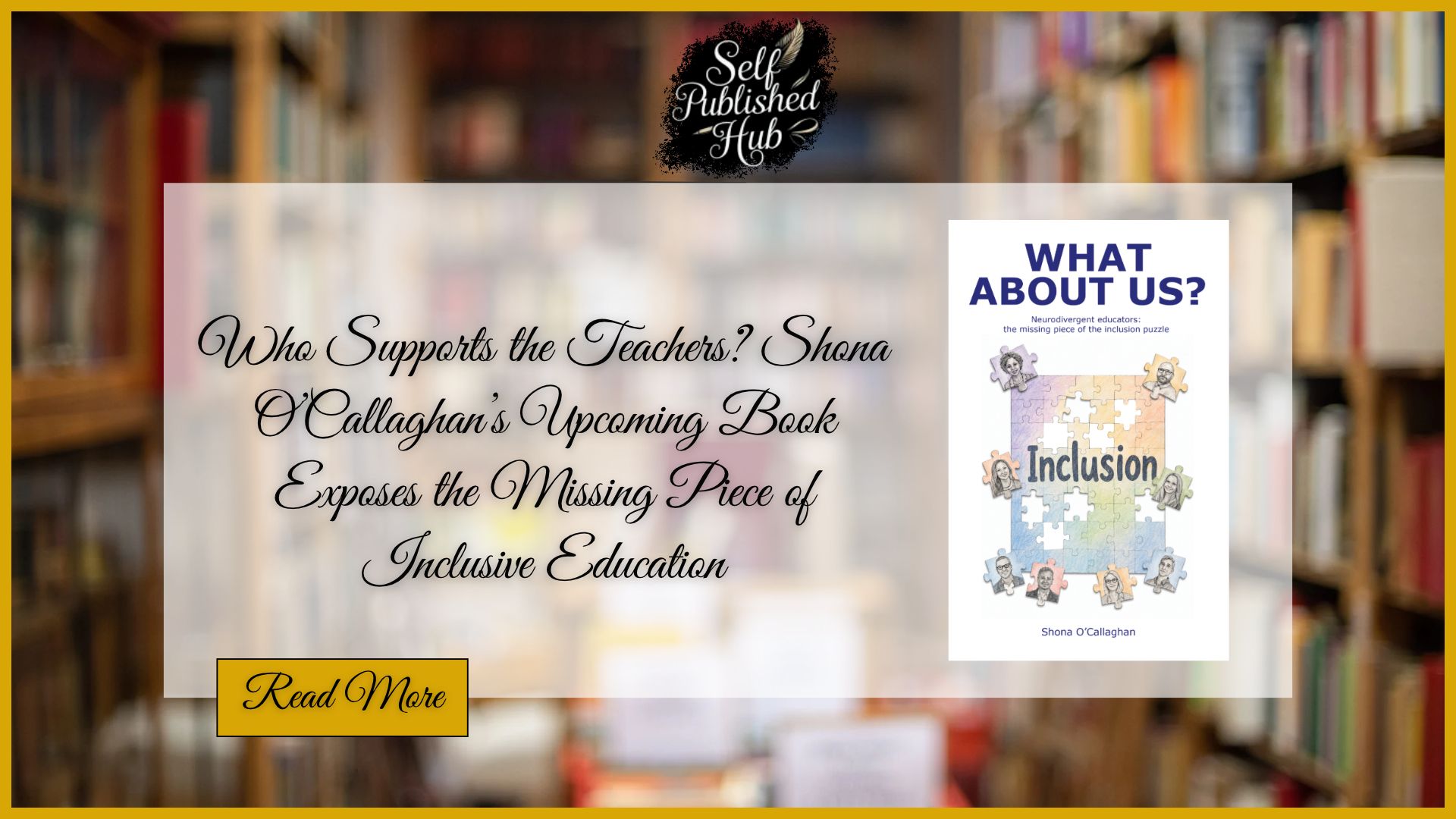
That’s the powerful question at the heart of Shona O’Callaghan’s upcoming book, What About Us? Neurodivergent Educators: The Missing Piece Of The Inclusion Puzzle. Scheduled for release in the coming days, this thought-provoking book brings an often-overlooked group into the spotlight: neurodivergent educators.
The Missing Voices in Inclusive Education
When we discuss neurodiversity in schools, the conversation usually centres on students with autism, ADHD, dyslexia and other neurological differences. And rightly so. Every child deserves an education that recognises their individual needs.
However, what happens when teachers themselves are neurodivergent?
Many educators navigate demanding workloads, noisy classrooms, administrative pressures and rigid workplace expectations while managing their own neurological differences. Some feel comfortable discussing their experiences, while others worry about being misunderstood or judged.
O’Callaghan challenges readers to reconsider what inclusion truly means. After all, how can an education system claim to embrace differences if the people delivering that education feel excluded?
Eight Educators Share Their Experiences
Rather than relying solely on educational theories, What About Us? introduces readers to eight educators whose personal experiences reveal the realities of working within a system that does not always recognise their needs.
Among them is Thomas, an autistic former primary school teacher who describes how sensory overload made classroom life exhausting. Yet his understanding of neurodivergence also helped him connect with students who struggled in traditional learning environments.
Jo, a dyslexic educator, shares how thinking differently inspired her creative teaching methods and encouraged her to challenge conventional approaches to learning.
Meanwhile, Rosie explains how her experiences with dyslexia shaped her understanding of students, even as administrative demands and insufficient support created significant professional challenges.
Together, these stories highlight an important truth: neurodivergence can present challenges, but it can also bring valuable perspectives into education.
Why Talented Teachers Need Better Support
Teaching is demanding for almost everyone. However, neurodivergent educators may encounter additional difficulties involving sensory sensitivities, executive functioning, communication expectations or workplace environments.
Without appropriate support, these pressures can contribute to exhaustion, burnout and decisions to leave classroom teaching.
O’Callaghan explores how relatively practical adjustments, including accessible technology, flexible working approaches, better communication and supportive leadership, could make meaningful differences.
Importantly, the book argues that accommodating neurodivergent teachers should not be viewed as granting special favours. Instead, schools should recognise these adjustments as opportunities to help talented professionals succeed.
A Different Way of Thinking Can Strengthen Schools
One of the book’s most encouraging messages is that neurodivergent educators bring more than their qualifications into classrooms.
Their creativity, empathy, resilience and understanding of different learning experiences can help students feel recognised and supported.
Furthermore, educators who openly embrace their differences may become powerful role models for children who have spent years feeling misunderstood.
The goal is not simply to help neurodivergent teachers survive the education system. It is to create environments where they can genuinely thrive.
A Book That Asks Education to Look Within
With its honest interviews and practical recommendations, What About Us? Neurodivergent Educators: The Missing Piece Of The Inclusion Puzzle encourages teachers, school leaders, policymakers and parents to rethink the meaning of inclusion.
Shona O’Callaghan reminds readers that educational progress must involve everyone, including those standing at the front of the classroom.
Coming soon, this compelling book invites readers to discover the missing voices in education and consider how recognising different minds could help create stronger, more inclusive schools.
Because when we support teachers, we strengthen the future of education.