
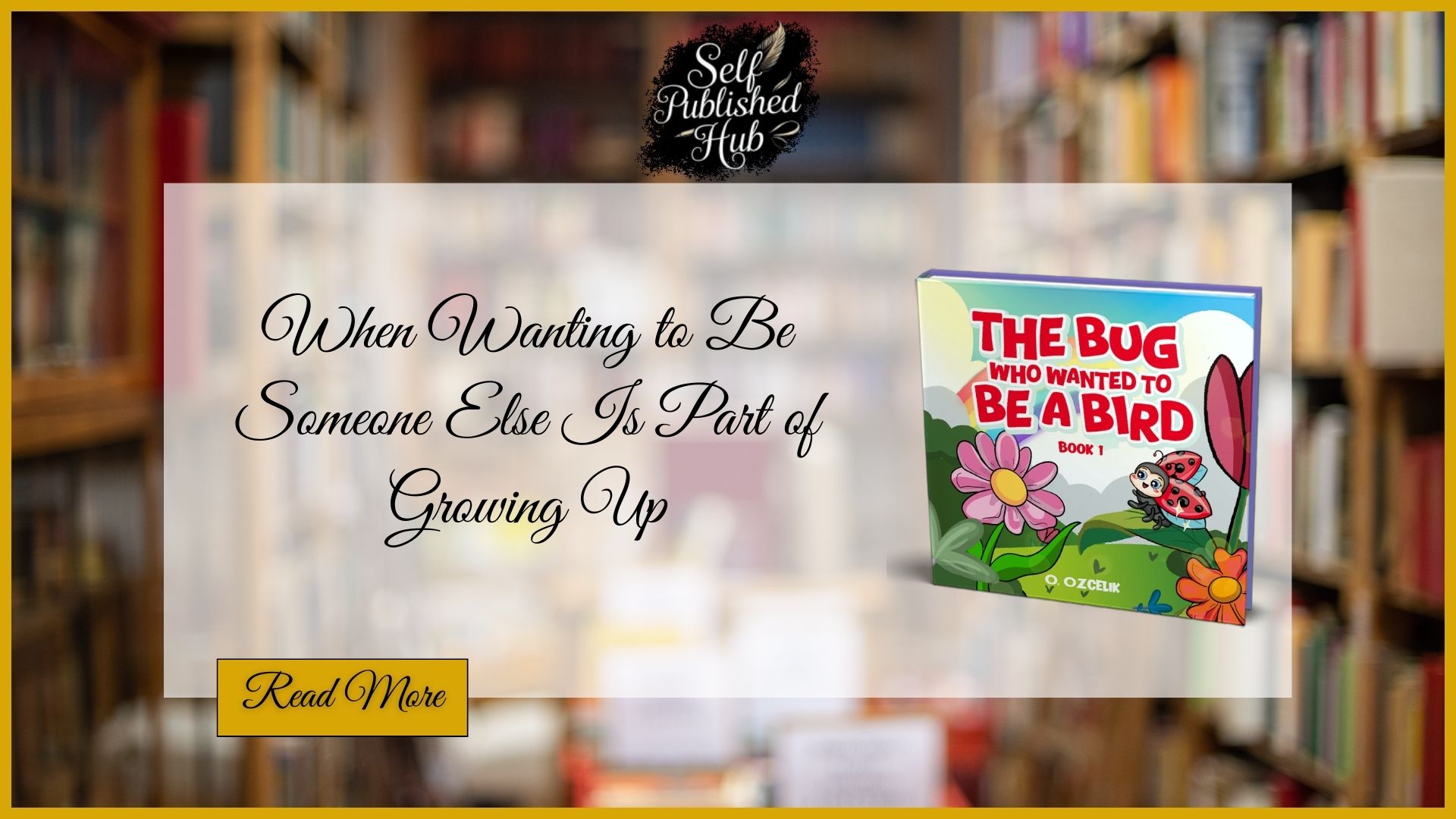
There comes a moment in nearly every childhood when the quiet thought appears: I wish I were someone else. Taller. Faster. Braver. Cooler. Different. That longing is not a flaw in character. It is often a natural and necessary part of growing up. In The Bug Who Wanted to Be a Bird: Book 1 by O. Ozcelik, this universal experience unfolds through the charming and emotionally honest journey of Dotty, a ladybug who dreams of becoming a bird.
At first glance, Dotty seems to have an enviable life. She is admired in her meadow. Her shiny red wings and perfectly placed spots make her stand out. The ants parade in her honor. Even the snobby beetles tip their shells when she passes. Yet admiration does not erase insecurity. Beneath the sparkle, Dotty feels restless. She does not want to be just a bug. She wants to soar higher, sweep through the sky, and touch the clouds like a bird.
This desire captures something deeply true about childhood development. As children become more aware of the world around them, they begin comparing themselves to others. They notice strengths and differences. They wonder what it would be like to live in someone else’s feathers. This comparison can feel unsettling, but it is also a sign of expanding awareness. Wanting to be someone else often reflects curiosity about identity rather than rejection of self.
Dotty’s frustration grows as she is teased with confusing labels. She is called ladybug, ladybird, bug lady, even flying raisin. The jokes sting. The categories blur. She begins to question who she really is. For many children, similar experiences unfold in classrooms and playgrounds. Labels are assigned quickly. Smart. Loud. Quiet. Odd. Popular. When a child feels misunderstood, imagining a different identity can feel like escape.
What makes O. Ozcelik’s storytelling so effective is that she does not dismiss Dotty’s longing. She allows it to breathe. Dotty leaves her meadow. She searches. She experiments with possibility. This journey outward mirrors the internal journey children undertake as they test identities and roles. Trying on new interests, new friendships, or new ways of expressing themselves is part of the developmental process.
This moment is transformative. It illustrates an essential truth: the desire to be someone else often fades when a child feels truly seen and accepted. Belonging reduces the pressure to transform. Supportive relationships provide the safety needed to explore identity without abandoning it.
As Dotty and Draco become friends, Dotty’s fixation on becoming a bird softens. She begins to enjoy flying not as a bird but as herself. She adopts the playful title Dotty the Whatever I Feel Like Today. This phrase reflects flexibility and freedom rather than confusion. It signals that identity can expand without erasing its roots.
For parents and educators, this narrative offers reassurance. When a child expresses a wish to be different, it does not automatically signal dissatisfaction or distress. It may signal growth. It may reflect a stage of self-discovery. The key is not to shut down the desire but to guide it gently. Asking what they admire about the person they wish to be can reveal underlying strengths they already possess.
In the end, Dotty returns to her meadow not as a bird, but as a more confident version of herself. The teasing no longer defines her. She twirls. She laughs. She owns her sparkle. The longing to be someone else has evolved into acceptance of who she is.
The Bug Who Wanted to Be a Bird: Book 1 by O. Ozcelik reminds readers that the journey through comparison is often a bridge to self-awareness. Wanting to be someone else can be part of growing up. Discovering that you are enough is part of growing strong.
AVALABILITY : https://www.amazon.com/dp/B0GCX4R2F1/


