Healthcare workers step into their roles with an evident purpose: to heal, to stabilize, and to guide patients through some of the most vulnerable moments of their lives. Yet, in uncommon but deeply disturbing cases, that very act of care can blur boundaries in ways that turn dangerous. What begins as gratitude can shift into dependence, and in extreme situations, into obsession.
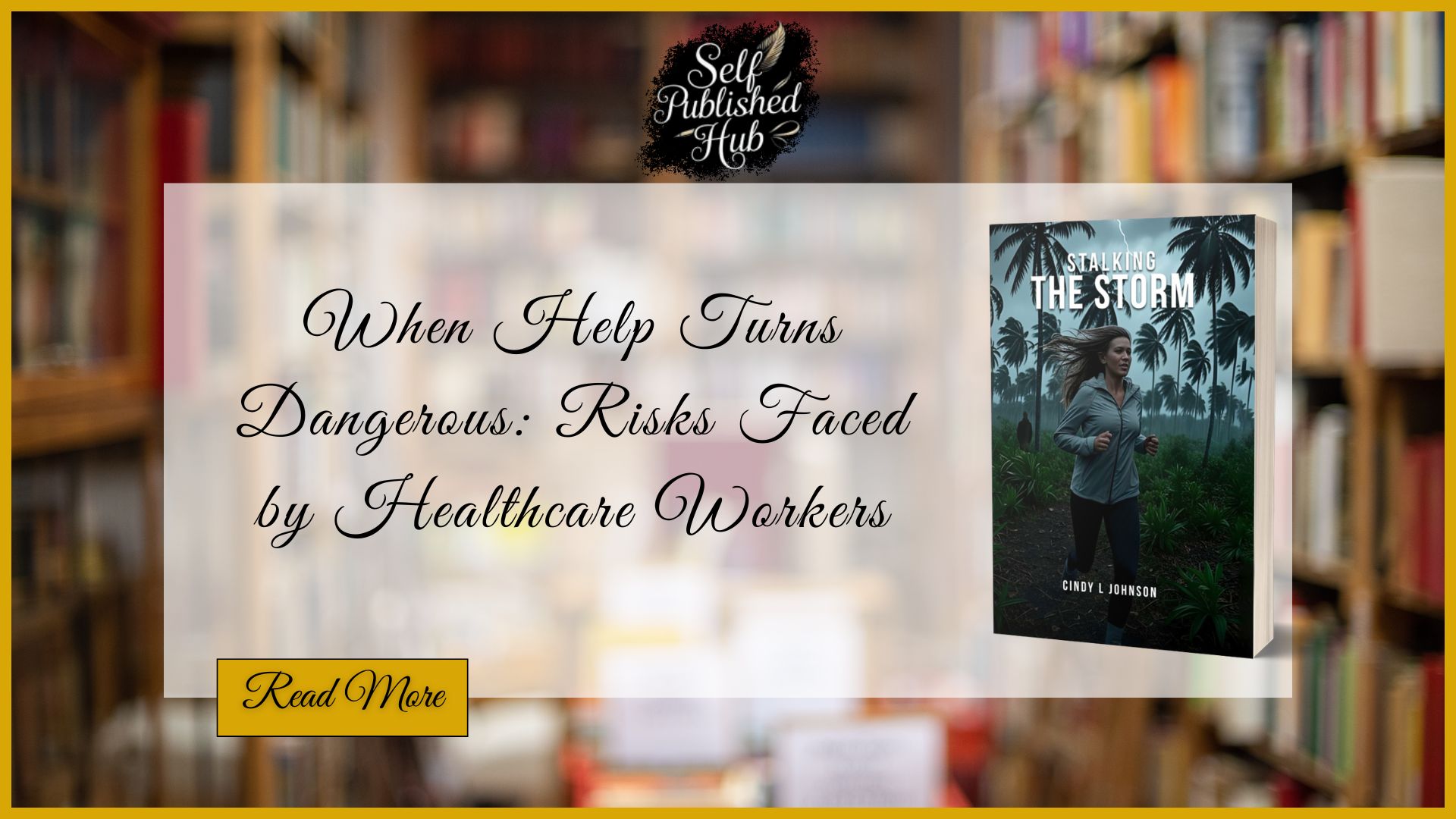
This reality is explored with gripping intensity in Stalking the Storm by Cindy L. Johnson, where a dedicated nurse finds herself entangled in a psychological nightmare that stems from a single act of compassion.
At the heart of the issue lies a simple truth: patients often encounter healthcare professionals at their lowest point. They are scared, disoriented, and desperate for stability. When a nurse or doctor provides reassurance, and life-saving intervention, that interaction can take on a powerful emotional weight. For most patients, this leads to appreciation and recovery. For others, especially those with unresolved trauma or mental health challenges, it can become something far more complicated.
In Stalking the Storm, the protagonist Camille García embodies the ideal caregiver. She is skilled, composed, and deeply empathetic. She offers not only medical treatment but also emotional grounding. However, her patient Brett Reed interprets this care through a distorted lens. What Camille sees as professional duty, Brett perceives it as personal connection. That misinterpretation becomes the seed of obsession.
This is not purely fiction. Healthcare workers, particularly those in high stress environments such as emergency rooms, psychiatric units, and addiction treatment centers, often face boundary challenges. Patients may develop attachments, believing that the caregiver understands them in a way no one else does. In most cases, these feelings fade as treatment ends. In some, they linger and intensify.
The risks extend beyond emotional drainage. Healthcare professionals may face stalking, harassment, or unwanted contact after discharge. Personal details, even small ones, can be remembered and later used to track or approach them. In an age where information is easily accessible, maintaining privacy has become increasingly difficult.
What makes Stalking the Storm particularly unique is how it layers this human threat against the backdrop of an approaching hurricane. The external storm mirrors the internal one, building tension as Camille realizes that the danger is not just environmental but deeply personal. The sense of isolation, combined with the knowledge that help may not arrive in time, heightens the stakes in a way that feels both cinematic and disturbingly real.
The novel also highlights an uncomfortable question: how much distance should a caregiver maintain? Compassion is essential in healthcare, yet boundaries are equally critical. Too much detachment can hinder care, while too much emotional involvement can create vulnerability. Finding that balance is not always straightforward.
Cindy L. Johnson captures this tension with authenticity, drawing readers into a world where the line between healer and target becomes dangerously thin. The story serves as both a thrilling narrative and a subtle reminder of the unseen challenges faced by those in caregiving roles.
For readers who are drawn to psychological thrillers grounded in real world dynamics, Stalking the Storm offers a powerful and unsettling experience. It does more than tell a story. It forces readers to consider how easily trust can be misread, and how quickly safety can unravel when the wrong person refuses to let go.
In the end, the novel leaves a lasting impression: sometimes the greatest risk does not come from the storm outside, but from the one that quietly takes shape in the mind of someone you once tried to save.
Discover this book, available on Amazon: https://www.amazon.com/dp/B0FWHZT1RP.