Sometimes the hardest words to hear after a loss are not cruel ones. They are gentle questions we have spent years avoiding: Why am I still so angry? What has this bitterness changed in me? Those questions matter because grief can begin as sorrow and slowly become a way of seeing the entire world.
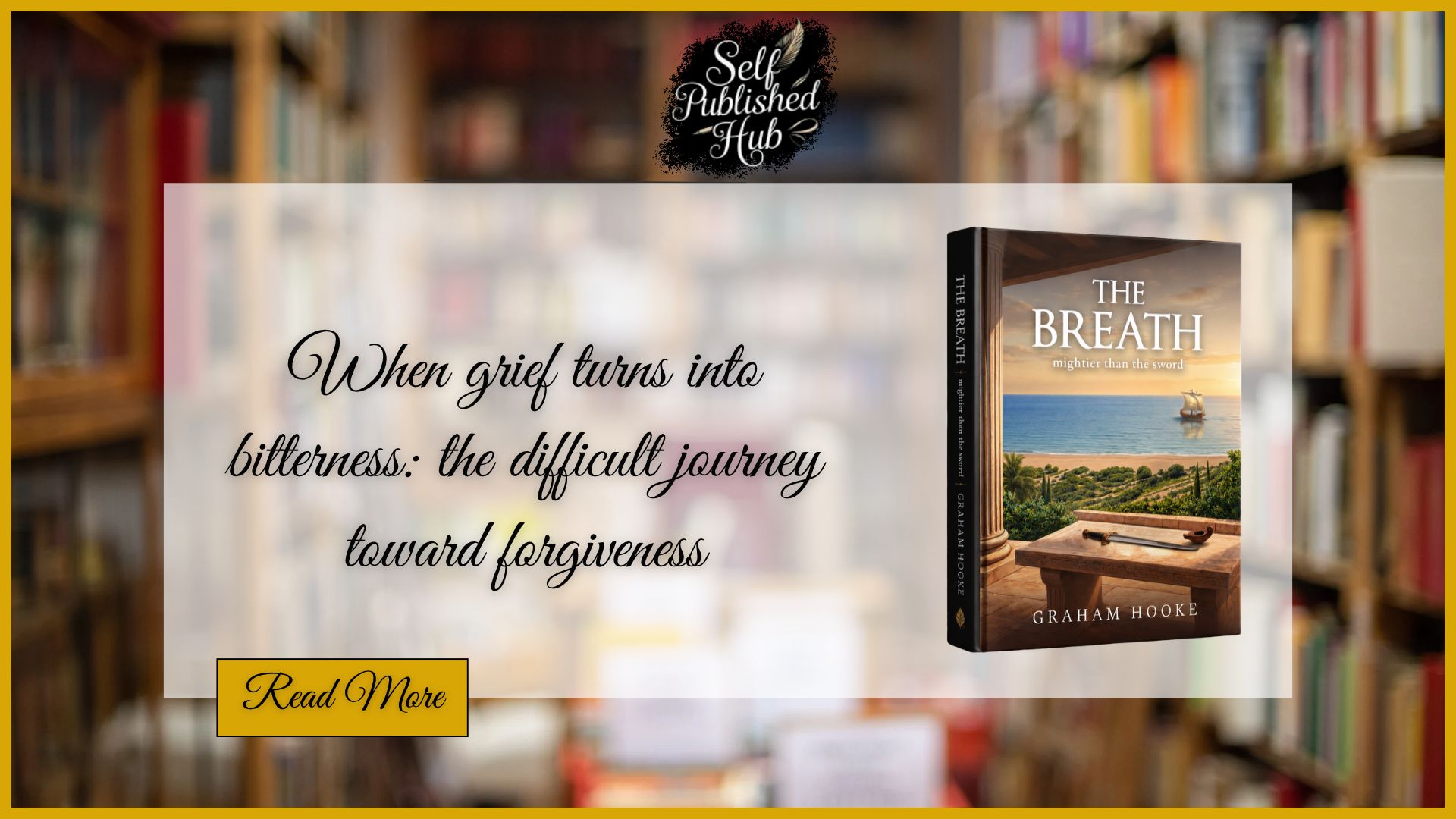
That struggle is central to Graham Hooke’s The Breath, where Marcellinus loses both parents to murder as a child. He grows into a disciplined Roman soldier, capable of facing danger yet far less willing to face the wounded boy beneath his armour. His strength protects him in battle, but it also helps him avoid the emotions he cannot control.
Years later, the end of his secret relationship with Esther exposes how much pain remains unresolved. Esther chooses to stop deceiving her husband after embracing the Way of Yeshua. Marcellinus responds by directing his fury toward the sacred Breath that has influenced her decision. He feels robbed of someone he believes should belong to him. It is difficult to admit that hurt and entitlement can coexist.
One of the most telling exchanges in The Breath is not an argument, but a patient conversation. Gamaliel suggests that Marcellinus’s rage may have roots in his parents’ death. Rather than considering that possibility, he resents the question. The older wound has become so familiar that examining it feels more threatening than carrying it.
Outside a Roman garrison, the pattern is uncomfortably familiar. A fresh disappointment can draw strength from an older injustice. Anger begins as a response to pain, then becomes a way of explaining everything that happens next. Asking what the anger is protecting does not diminish the loss or excuse wrongdoing. It simply allows room for a different response. One place to begin is by separating the original harm from the blame we carry into every new encounter.
Graham Hooke places a turning point far from the battlefield: at the bedside of Marcellinus’s dangerously ill daughter. When she recovers, he recognises the bitterness that has imprisoned him. He apologises to his wife, Mary, whose faithful care he has long taken for granted. His newfound Christian faith does not rewrite the past; it calls him to take responsibility for what he has done with his pain.
Years later, Mary dies after violence erupts in a Caesarea marketplace. Marcellinus is overcome with grief and blames those responsible, including Rome’s governor. He seeks counsel from Paul and has to remember his own past brutality toward civilians. He does not treat forgiveness as permission for injustice. He chooses not to seek vengeance, even as his grief and unanswered questions remain.
By the closing pages of The Breath, peace is not the absence of suffering. Marcellinus has also lost his son, yet the bitterness that once governed him has not returned. For anyone carrying a grievance, his journey offers a difficult question: what if acknowledging the harm is only the beginning, and the next task is deciding how much of our future we will allow it to claim?
Read the book on Amazon: https://a.co/d/0bUn7xwq
Amazon UK link: https://www.amazon.co.uk/s?k=the+breath+graham+hooke