At some point, almost every parent hears a question like, Why can’t I click that or Can I share this picture? These moments often come without warning, right in the middle of play or quiet time. Knowing how to respond calmly and clearly can feel challenging, especially when children are very young. The good news is that these questions are opportunities, not problems. With the right words, parents can help children feel safe, confident, and supported as they learn about screens.
Start With Calm and Simple Answers
When children ask about screens, they are usually looking for reassurance, not long explanations. A calm tone helps them feel secure. Simple answers work best at an early age. For example, if a child asks why they cannot click something, a response like, Let us check with a grown up first, keeps the focus on safety without creating fear.
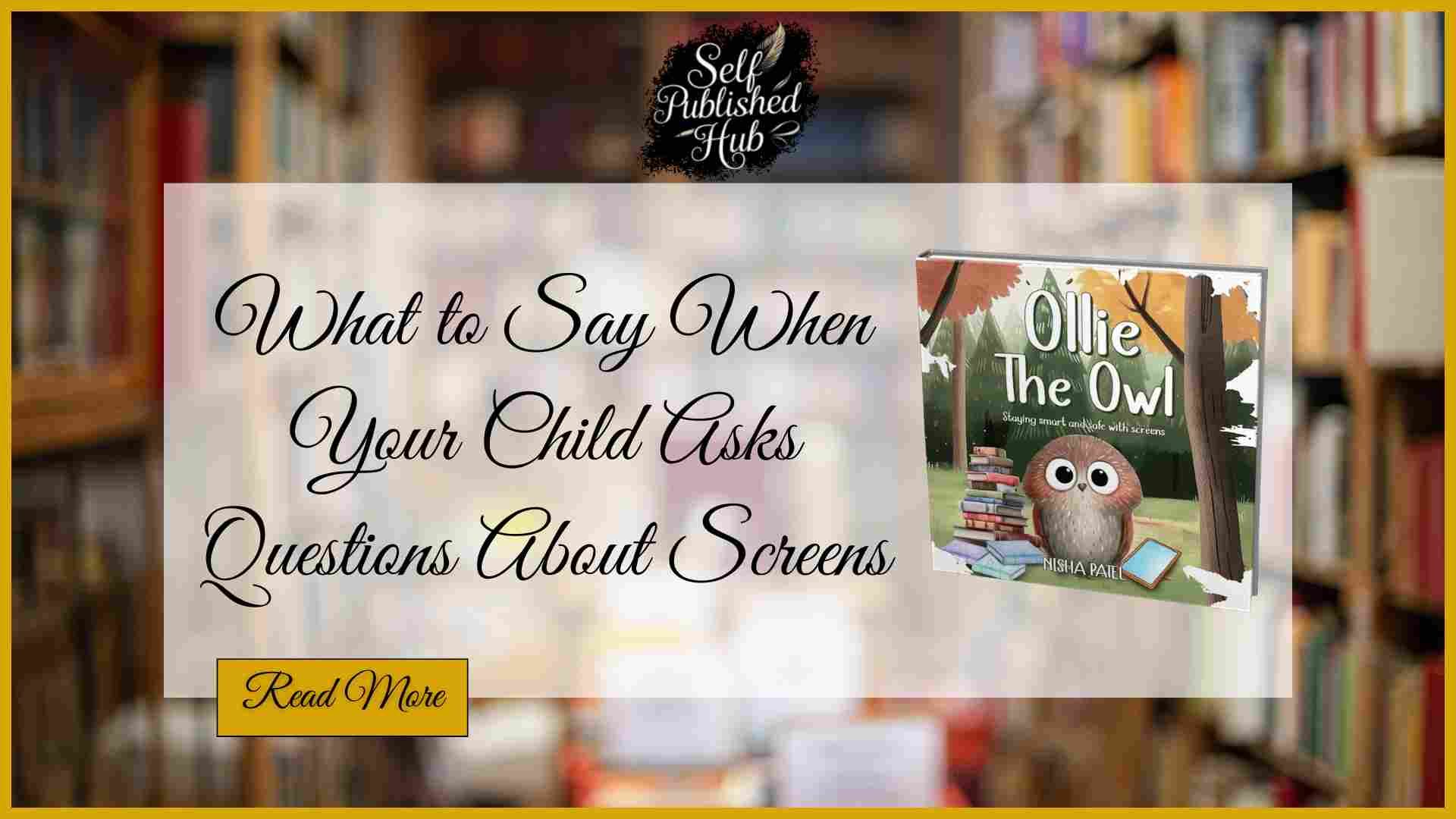
This approach reflects the gentle guidance found in Ollie the Owl: Staying Smart and Safe with Screens by Nisha Patel, where questions are met with patience rather than alarm.
Acknowledge Feelings Before Giving Guidance
Sometimes questions come from confusion or discomfort. A child might say that something on a screen made them feel sad or worried. Before offering advice, it helps to acknowledge the feeling. Saying, That doesn’t sound very pleasant, or I am glad you told me, lets children know their emotions matter.
In the story, characters are encouraged to speak up when something feels wrong. Parents can mirror this by listening first and guiding second.
Use Everyday Moments to Explain Safety
You do not need special language to explain online safety. Every day comparisons can help. For instance, when talking about personal information, a parent might say, Your name and pictures are special, just like your favorite toy. We only share them with people we trust.
This kind of explanation connects well with how Ollie helps his friends understand privacy in a way that feels natural and age appropriate.
Encourage Asking for Help Again and Again
Children benefit from hearing the same message more than once. Repeating that they can always ask a trusted adult builds confidence over time. If a child asks whether they did the right thing by coming to you, the answer should always be yes.
The story reinforces this idea through repetition, showing that asking for help is a smart and positive choice.
Talk About Kindness in Simple Terms
Questions about screens often involve other people, such as messages or games. Parents can use these moments to talk about kindness. If a child mentions unkind words, a response like, Words can hurt even on a screen, helps them understand the impact of online behavior.
This lesson matches the book’s focus on kindness as a value that applies everywhere.
The most important thing parents can say is that questions are always welcome. When children know they can ask without getting in trouble, they are more likely to speak up in the future. Short, calm conversations build trust over time.
For parents looking for guidance and language that supports these moments, Ollie the Owl: Staying Smart and Safe with Screens by Nisha Patel offers helpful examples through a story. Reading the book together can inspire calm, confident conversations that grow with your child.